

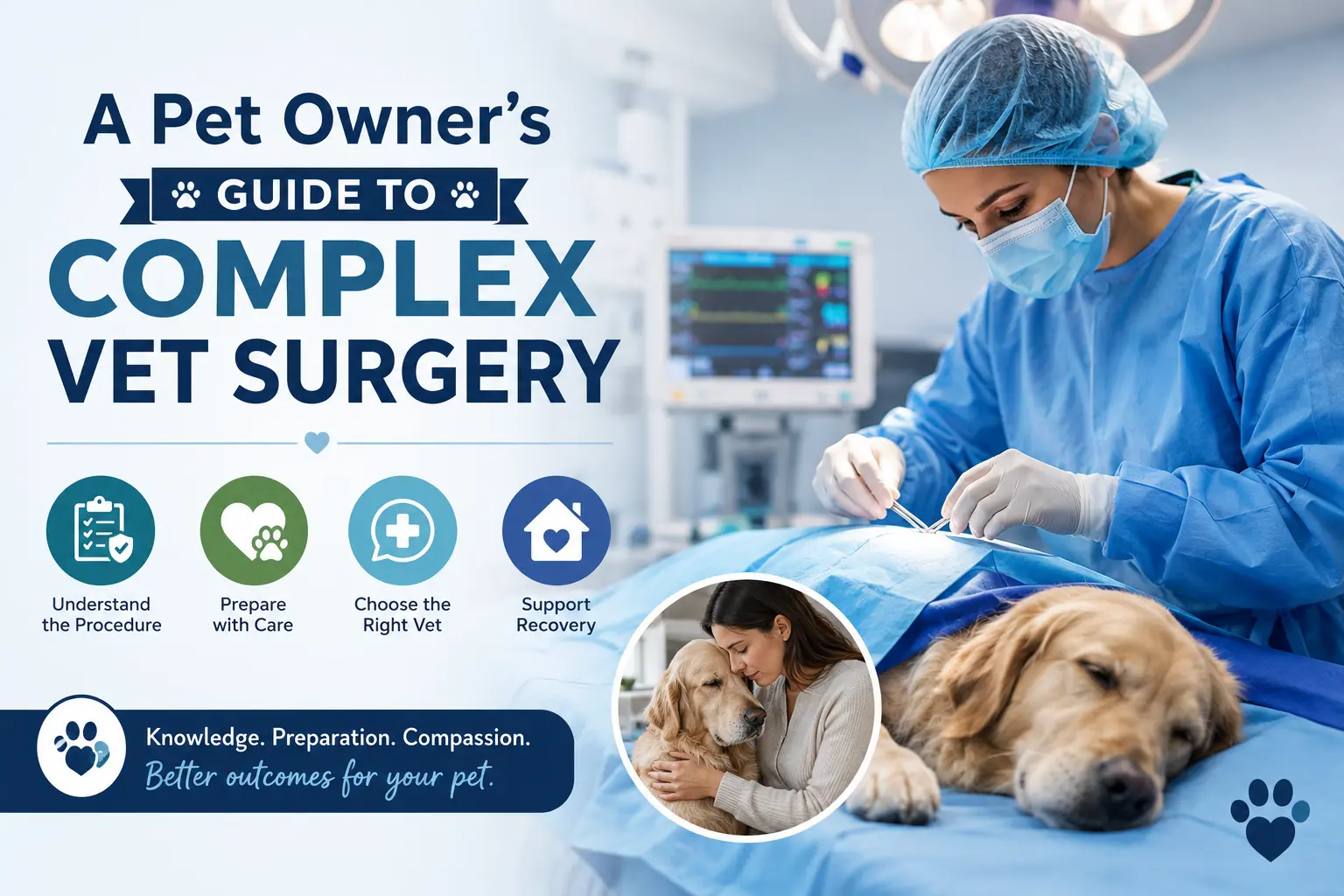
Learning that your pet may need surgery can bring uncertainty, especially when the procedure involves the spine, bones, internal organs, or a serious injury. Owners may have questions about anaesthesia, possible complications, recovery time, and whether their pet is healthy enough to undergo an operation.
Complex veterinary surgery is rarely based on the procedure alone. It may require diagnostic imaging, medical stabilisation, careful surgical planning, continuous anaesthetic monitoring, and structured postoperative care. Understanding this process can help pet owners discuss the available options with their vet and prepare for the different stages of treatment.
What Is Considered Complex Veterinary Surgery?
A procedure may be considered complex when it involves delicate anatomy, significant medical risk, or specialised equipment and surgical techniques. It may also require several teams to coordinate diagnosis, anaesthesia, surgery, critical care, and rehabilitation.
Complex surgery may be recommended for:
- Severe fractures or joint injuries
- Spinal cord compression or instability
- Tumours affecting internal organs or surrounding tissue
- Intestinal obstruction or perforation
- Damage caused by major trauma
- Congenital abnormalities
- Conditions affecting the chest or abdominal cavity
- Extensive wounds requiring reconstruction
- Diseases that have not responded to non-surgical treatment
The complexity of a procedure also depends on the individual patient. An operation that is relatively straightforward for a young and healthy animal may require additional planning for a senior pet or an animal with heart, kidney, respiratory, or metabolic disease.
Why Diagnosis Comes Before the Operation
Surgery should address a clearly identified problem whenever circumstances allow. Before recommending an operation, a Singapore vet will usually review the pet’s symptoms, medical history, physical examination findings, and previous test results.
Further investigations may include:
- Blood and urine tests
- Digital X-rays
- Ultrasound
- CT imaging
- Endoscopy
- Tissue sampling or biopsy
- Heart and blood pressure assessment
- Neurological or orthopaedic examination
These tests help the vet understand the location and extent of the condition. They may also reveal underlying health issues that could affect anaesthesia, healing, or the choice of surgical technique.
In an emergency, diagnosis and treatment may happen quickly. A pet with internal bleeding, breathing difficulty, or severe trauma may need stabilisation while diagnostic tests are being performed.
Common Types of Complex Vet Surgery
Complex operations generally fall into several broad categories. A pet may require one procedure or a combination of treatments depending on the diagnosis.
Orthopaedic Surgery
Orthopaedic procedures address injuries and diseases affecting bones, joints, ligaments, and supporting tissues.
Surgery may be considered for:
- Complicated fractures
- Joint dislocation
- Cranial cruciate ligament injury
- Hip dysplasia
- Patellar luxation
- Developmental bone abnormalities
- Degenerative joint conditions
- Traumatic limb injuries
Some fractures can be managed with rest or external support, while unstable or displaced fractures may require plates, screws, pins, or other forms of surgical fixation.
The aim of orthopaedic surgery for pets is generally to restore stability, reduce pain, and support the return of normal movement where possible. Rehabilitation and controlled activity may form an important part of recovery.
Spinal Surgery
Spinal conditions can interfere with movement, sensation, bladder control, and quality of life. They may develop gradually or occur suddenly after an injury.
Possible reasons for spinal surgery include:
- Intervertebral disc disease
- Spinal fractures
- Vertebral instability
- Compression of the spinal cord
- Congenital abnormalities
- Spinal tumours
Signs may include back or neck pain, difficulty walking, weakness, dragging of the limbs or loss of bladder control. Sudden paralysis or rapid deterioration requires urgent veterinary assessment.
The timing of treatment can be important in some neurological cases. Diagnostic imaging and a neurological examination help determine whether spinal surgery is appropriate and what recovery may involve.
Soft Tissue Surgery
Soft tissue surgery covers procedures involving organs, skin, muscles, and other non-bony structures.
Examples include:
- Removal of intestinal foreign bodies
- Treatment of stomach or intestinal obstruction
- Bladder surgery
- Liver, gall bladder, or spleen procedures
- Hernia repair
- Lung or chest surgery
- Removal of damaged or abnormal tissue
- Reconstruction following major wounds
- Surgery involving the reproductive system
Some soft tissue procedures are planned after a period of investigation. Others are performed urgently when an organ has ruptured, a blood supply is compromised, or an obstruction is preventing normal function.
Cancer Surgery
Surgery may be used to remove a tumour, obtain tissue for diagnosis, or reduce symptoms caused by a mass. The approach depends on the tumour’s location, size, biological behaviour, and involvement with nearby structures.
Before surgery, the vet may recommend imaging and tissue sampling to determine whether the tumour has spread and whether complete removal is achievable.
Some cases may require further treatment after surgery, such as chemotherapy, ongoing imaging, or regular examinations. The treatment plan should consider both disease control and the pet’s overall comfort and quality of life.
Minimally Invasive Surgery
Some procedures can be performed through small incisions using a camera and specialised instruments. This is commonly described as laparoscopic, thoracoscopic, or keyhole surgery.
Depending on the condition, minimally invasive surgery may be used for:
- Organ biopsy
- Preventive gastropexy
- Gall bladder removal
- Bladder stone removal
- Selected chest procedures
- Sterilisation
- Examination of internal structures
Not every condition is suitable for a minimally invasive approach. The surgeon will consider the pet’s diagnosis, size, anatomy, and medical stability before deciding which technique is appropriate.
What Happens Before Complex Pet Surgery?
The preparation process varies between planned and emergency procedures.
Initial Assessment
The veterinary team will examine the pet, review its medical history, and determine whether any immediate treatment is needed.
Owners should provide information about:
- Current medications and supplements
- Previous operations or anaesthetic reactions
- Allergies or drug sensitivities
- Existing medical conditions
- Recent changes in appetite, behaviour, or activity
- When the pet last ate or drank
Accurate information can affect medication, anaesthetic, and surgical decisions.
Medical Stabilisation
Some pets are not stable enough to undergo immediate surgery. They may first need oxygen, intravenous fluids, pain relief, blood products, or treatment for shock.
Stabilisation does not necessarily mean surgery is being unnecessarily delayed. It may reduce the risks associated with anaesthesia and allow the pet to tolerate the procedure more safely.
Pre-Anaesthetic Testing
Blood tests may be used to assess red and white blood cells, clotting, hydration, and organ function. Additional heart or respiratory tests may be recommended for older pets, flat-faced breeds, or animals with underlying disease.
The anaesthetic plan is then adjusted according to the pet’s age, size, health status, and type of operation.
Informed Consent
The vet should explain:
- Why surgery is being considered
- Alternative treatment options
- The expected benefits
- Significant risks and possible complications
- The likely recovery period
- Whether hospitalisation may be needed
- The possibility of additional treatment
- Estimated costs and circumstances that could change them
Owners should have an opportunity to ask questions before giving consent. In an emergency, decisions may need to be made quickly, but the veterinary team should still explain the available information as clearly as possible.
How Is a Pet Monitored During Surgery?
Most complex procedures require general anaesthesia. This keeps the pet unconscious, prevents movement, and allows pain to be managed during the operation.
Monitoring may include:
- Heart rate and rhythm
- Blood pressure
- Oxygen levels
- Carbon dioxide levels
- Respiratory rate
- Body temperature
- Anaesthetic depth
- Fluid administration
Instead of a one-size-fits-all approach, our anesthetic protocols are carefully tailored to meet the unique needs of each individual patient.
Pain management may begin before surgery and continue throughout recovery. Depending on the procedure, this may involve injectable medication, local anaesthetic techniques, oral medication, or a combination of approaches.
What Happens Immediately After Surgery?
Recovery begins before the pet is fully awake. Veterinary staff monitor breathing, circulation, body temperature, pain, and responsiveness as the anaesthetic wears off.
Complex cases may require:
- Oxygen support
- Intravenous fluids
- Injectable medication
- Blood pressure monitoring
- Assisted feeding
- Urinary catheter care
- Wound drainage
- Repeat blood tests
- Follow-up imaging
- Continuous nursing observation
A pet that has undergone major surgery may remain in hospital until it can breathe comfortably, maintain stable circulation, manage pain, and begin eating or moving safely.
Access to 24-hour emergency and critical care may be relevant when a patient requires close overnight observation or could deteriorate during the early recovery period.
How Pet Owners Can Prepare for Surgery
Follow the instructions provided by the vet clinic rather than relying on general advice found online. Requirements can differ based on the pet’s age, species, condition, and procedure.
Owners may be asked to:
- Withhold food for a specified period
- Continue or pause certain medications
- Bring current medicines to the clinic
- Provide previous medical records
- Transport the pet in a secure carrier or with a suitable restraint
- Arrive at a specified time for admission
- Remain contactable during the procedure
Do not change medication or fasting arrangements without checking with the veterinary team. Puppies, kittens, diabetic animals and some exotic pets may require different preparation.
Preparing the home before discharge can also make recovery easier. Set up a quiet, clean and confined area away from stairs, slippery flooring, children and other animals.
Supporting Your Pet’s Recovery at Home
Recovery does not end when the pet leaves the veterinary clinic. Following discharge instructions can reduce the risk of infection, wound damage, and delayed healing.
Restrict Activity
Even if your pet appears energetic, running, climbing, and jumping may place strain on internal sutures, bones, or healing tissue.
Use a crate, playpen, or small room when advised. Dogs may need short, controlled toilet walks on a lead.
Prevent Licking and Chewing
An Elizabethan collar, recovery suit, or other protective device may be required. Removing it too early can allow the pet to damage the incision within minutes.
Give Medication as Directed
Administer pain relief, antibiotics, and other medicines according to the prescribed schedule. Do not stop medication early because the pet appears more comfortable.
Human painkillers should not be given unless a vet has specifically directed their use.
Check the Surgical Site
Inspect the incision at least once daily without repeatedly touching it.
Contact the vet clinic if you notice:
- Increasing redness or swelling
- Persistent bleeding
- Discharge or unpleasant odour
- Missing sutures
- Separation of the wound edges
- Sudden bruising
- Constant licking or signs of pain
Attend Follow-Up Appointments
Follow-up visits allow the veterinary team to assess healing, remove sutures where necessary, and adjust medication or activity restrictions.
Pets recovering from orthopaedic or spinal surgery may require physiotherapy, rehabilitation exercises, or repeat imaging.
When Should You Contact a Vet Urgently After Surgery?
Seek prompt veterinary advice if your pet develops:
- Difficulty breathing
- Collapse or severe weakness
- Pale, grey, or blue gums
- Persistent vomiting
- Uncontrolled bleeding
- A swollen or painful abdomen
- Inability to urinate
- Seizures or sudden disorientation
- Severe pain despite medication
- An opened surgical wound
- Rapid deterioration in behaviour or responsiveness
Some tiredness and reduced appetite may occur after anaesthesia, but the veterinary team should explain what is expected for the particular procedure. When something does not seem right, contacting a vet is safer than waiting for the next scheduled review.
Choosing a Veterinary Clinic for Complex Surgery
When evaluating a vet clinic, owners may wish to ask whether it has access to:
- Appropriate diagnostic imaging
- Pre-surgical laboratory testing
- Anaesthetic and patient-monitoring equipment
- Sterile surgical facilities
- Postoperative hospitalisation
- Pain-management protocols
- Emergency and critical-care support
- Rehabilitation or follow-up arrangements
- A referral process for services not available on site
Location may also matter, particularly when repeated reviews or urgent postoperative assessment could be needed. Pet owners looking for a vet in Singapore should consider whether the veterinary clinic can support the entire treatment journey, from diagnosis and stabilisation to surgery and recovery.
Frequently Asked Questions
Is complex surgery only performed during emergencies?
No. Some procedures follow a sudden injury or life-threatening illness, while others are carefully planned after diagnostic testing and specialist assessment.
Is an older pet too old for surgery?
Age alone does not determine whether surgery is appropriate. The vet will assess organ function, mobility, underlying conditions, anaesthetic risk, and the potential effect of treatment on quality of life.
How long does recovery take?
Recovery may range from several days to several months. It depends on the procedure, the pet’s health, the tissue involved, and whether rehabilitation is needed.
Will my pet have to stay overnight?
Pets undergoing major surgery may require overnight or extended hospitalisation for pain relief, fluid therapy, and close monitoring. The veterinary team should discuss this before the procedure if possible.
Can every complex procedure be performed using keyhole surgery?
No. Minimally invasive surgery is suitable only for certain conditions. Open surgery may provide safer access or better visibility in some cases.
Complex veterinary surgery involves more than the operation itself. Diagnostic investigation, medical stabilisation, anaesthesia, pain management, hospital monitoring, and home care all contribute to the treatment process. Asking questions and understanding each stage can help owners make informed decisions while preparing for their pet’s recovery.