

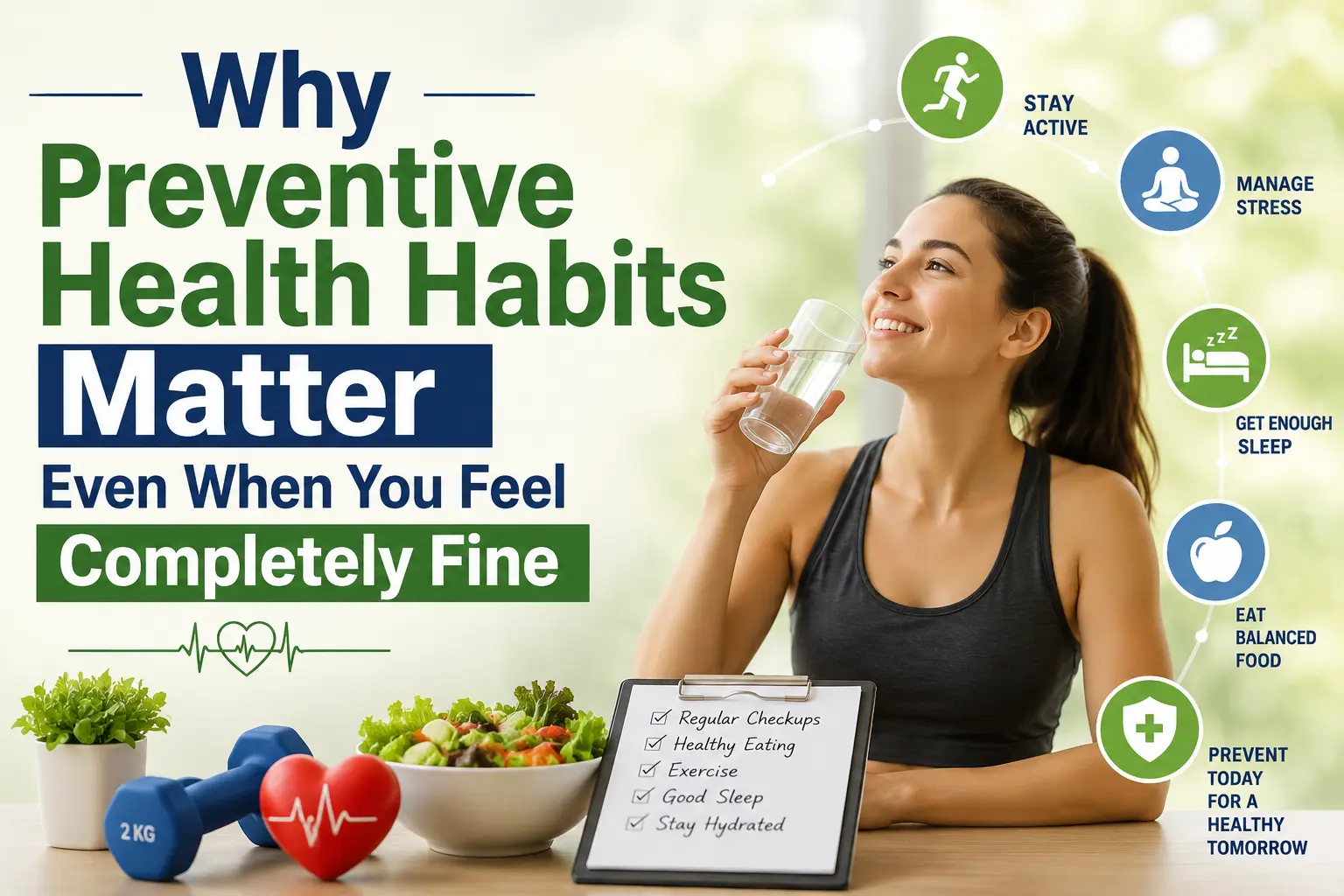
When you feel healthy, it is easy to assume there is nothing to worry about. You wake up, handle your usual responsibilities, eat without discomfort, and move through the day without pain. A medical appointment can seem unnecessary when your body is not sending any obvious warning signals.
But feeling fine does not always mean every part of your health is fine.
Many health concerns begin quietly. High blood pressure often develops without noticeable symptoms. Cholesterol can rise without changing how you feel. Early dental problems may remain hidden until a tooth starts hurting. Changes in blood sugar can build for years before they begin affecting energy, vision, circulation, or other parts of the body.
Preventive health habits help uncover these changes early. They also help you maintain the parts of your health that already work well. Prevention is not about living in fear of illness. It is about giving yourself more control and reducing the chance that a manageable problem becomes a serious one.
A routine appointment, regular movement, steady sleep, and balanced meals may not feel urgent. Still, these ordinary habits often protect your health far more than dramatic action taken after a crisis begins.
Routine Checkups Are Not Only for Sick People
Many people view a doctor’s office as a place to visit only when something hurts. They book an appointment for a fever that will not go away, a strange lump, severe fatigue, or a pain that keeps returning. When they feel well, healthcare drops far down the priority list.
That approach is understandable. Life is busy, appointments take time, and nobody enjoys sitting in a waiting room. Yet routine checkups serve a different purpose from urgent visits. They are not only about treating illness. They help build a clear picture of your health before illness begins affecting daily life.
A checkup creates a health record
A routine checkup gives your healthcare provider information that becomes more useful over time. One blood pressure reading offers a snapshot. Several readings taken across months or years reveal a pattern. The same is true for weight, heart rate, cholesterol, blood sugar, sleep quality, mood, and other health markers.
These records help your provider notice gradual changes that would otherwise be easy to miss. A small increase in blood pressure may not require immediate treatment, but it may signal that your body is responding to stress, inactivity, diet, medication, or another factor. Finding that pattern early gives you more time to respond.
Think of preventive care as routine maintenance. You do not wait until a car breaks down on the highway before checking the oil or replacing worn tires. Your body also benefits from regular attention, even when it appears to be running smoothly.
Checkups are also a chance to review family medical history. If close relatives have experienced heart disease, diabetes, certain cancers, or other conditions, your provider can consider whether you need earlier or more frequent monitoring. Family history does not guarantee that you will develop the same condition, but it provides useful clues.
Honest conversations matter too
Routine appointments create space for conversations that may not feel serious enough for an emergency visit. Perhaps you have been more tired than usual. Maybe your sleep has changed, your digestion feels different, or your stress level has slowly increased. You may have noticed that you are drinking more often or relying on a substance to relax after work.
These changes can be easy to excuse. People often tell themselves they are simply busy, getting older, or going through a rough patch. Sometimes that is true. But small changes can also point to physical or emotional concerns that deserve attention.
Speaking honestly with a healthcare provider can help you understand what is happening. A doctor may recommend a blood test, changes to medication, support for stress, or another form of care. When substance use starts affecting health, work, sleep, or relationships, early treatment can prevent deeper harm. Programs offering Outpatient addiction treatment in California can give people structured support while allowing them to remain involved in work, education, and family life.
The important thing is not to wait until a habit becomes a full crisis. A conversation that feels uncomfortable for a few minutes can lead to support that changes the direction of your health.
Screenings Can Find Problems Before Symptoms Begin
Screenings are designed to identify signs of disease before a person feels sick. They can detect changes at a stage when treatment is simpler or when lifestyle adjustments can still make a major difference.
The screenings you need depend on several factors, including age, sex, medical history, family history, and personal risk. Two people of the same age may need different tests because their health backgrounds are different.
This is why preventive healthcare should be personal. There is no single schedule that fits everyone.
Small tests can reveal useful clues
Some screenings are quick and simple. A blood pressure check takes only a few minutes. Blood tests can provide information about cholesterol, blood sugar, liver function, and other parts of the body. Skin examinations can help identify unusual moles or changes that need a closer look.
Other screenings look for certain cancers or conditions that become more common with age. They may feel inconvenient, but they can find problems long before symptoms become obvious.
Early detection often gives you more choices. A small health concern may respond to changes in eating habits, exercise, sleep, or medication. An advanced condition can require surgery, hospital care, long recovery periods, or ongoing treatment.
That difference matters. It affects not only physical health but also finances, work, family responsibilities, and emotional well-being. A condition that is found early is often easier to discuss and manage than one discovered during an emergency.
Screening does not mean your provider expects to find something terrible. Most tests return normal results. Those normal results are still useful because they create a starting point for future comparison.
Do not guess which screenings you need
Health information is everywhere. Social media posts, wellness blogs, podcasts, and online videos regularly tell people which tests they should request. Some of this advice is helpful, but much of it ignores personal medical history.
The safest approach is to speak with a qualified healthcare provider. Ask what each screening checks, why it is recommended, how often it is needed, and what the results mean.
Screening decisions should make sense for your health, not someone else’s routine. A test that is useful for one person may offer little value to another. Your provider can explain the benefits and limits so you can make an informed choice.
And yes, it is fine to ask questions. Preventive care works better when you understand what is being checked and why it matters.
Your Mouth Is Part of Your Health
Dental care is sometimes treated as separate from general healthcare. People may attend medical appointments while putting off the dentist for years. Yet the mouth is connected to the rest of the body, and dental problems can affect eating, sleep, speech, confidence, and daily comfort.
A healthy mouth allows you to chew food properly and eat a varied diet. Painful teeth or gums can limit food choices and make nutritious meals harder to enjoy. Ongoing dental pain can also disturb sleep and concentration.
Dental problems often start quietly
Tooth decay does not always hurt at first. Gum disease can begin with mild bleeding, swelling, or tenderness that people dismiss as normal. A person may brush every day and still develop problems between teeth or below the gumline.
By the time dental pain becomes severe, the problem may have already progressed. A small cavity may now require a larger filling, a crown, or root canal treatment. Gum disease can become harder to manage once it has damaged the tissue and bone that support the teeth.
Routine dental examinations help identify these concerns early. Dentists can also look for unusual sores, swelling, infections, signs of grinding, and other changes that may require care.
Daily brushing and cleaning between the teeth remain essential. But home care cannot replace professional examinations. Even a careful brusher can miss areas that collect plaque or develop decay.
Prevention is usually less disruptive
Preventive dental care often costs less and takes less time than emergency treatment. A cleaning or small filling is usually easier to manage than an extraction or dental infection.
Dental emergencies rarely arrive at a convenient moment. They can interrupt work, travel plans, family events, or sleep. Severe tooth pain can make it difficult to focus on anything else.
It may feel annoying to schedule a dental appointment when nothing hurts. But that quiet period is often the best time to go. You have more treatment choices, less discomfort, and a better chance of keeping your natural teeth healthy.
The same principle applies to the rest of your body. Small action now can prevent a much larger disruption later.
Vaccinations Help Your Immune System Prepare
Vaccinations teach the immune system how to recognize and respond to certain infections. They reduce the chance of severe illness and can protect people who face greater health risks.
Vaccines are not only for children. Adults may need seasonal vaccines, booster doses, travel vaccines, or vaccines recommended because of age, occupation, pregnancy, or an existing health condition.
Your needs change over time
The vaccinations you received years ago may not cover every current need. Recommendations can change as you age or as your health circumstances shift. A person working in healthcare may have different needs from someone working from home. International travel can also affect which vaccines are recommended.
Keeping a vaccination record helps prevent confusion. It gives healthcare providers a clear view of what you have received and what may be due. This record becomes useful when changing doctors, starting a new job, attending school, or planning travel.
Vaccination also protects the wider community. Infections move quickly through homes, schools, workplaces, and public spaces. One person’s illness can place older relatives, babies, or people with weakened immune systems at risk.
Preventive health is personal, but it is never entirely private. The choices you make can affect the people around you.
Prevention also includes behavioral health
Preventive care should not stop with physical illness. Mental health and substance use deserve the same early attention. Stress, trauma, isolation, and repeated substance use can slowly affect sleep, eating habits, relationships, work performance, and physical health.
People often delay seeking help because they believe their situation is not serious enough. They may tell themselves they still have a job, still pay bills, or still manage family responsibilities. But a person does not need to lose everything before treatment becomes appropriate.
Some people need a setting where they can step away from daily triggers and focus fully on recovery. Residential substance abuse treatment can provide structure, continuous support, and a stable environment for people who need a higher level of care.
Seeking treatment is not a sign that prevention failed. Treatment can prevent further physical damage, relationship problems, legal trouble, and emotional pain. The earlier support begins, the more room a person has to rebuild healthy routines.
Movement, Sleep, and Food Do the Daily Work
Medical visits and screenings matter, but much of preventive health happens at home. It happens when you choose to walk instead of sitting for another hour, prepare a balanced meal, or go to bed rather than watching one more episode.
These habits seem basic because they are basic. But basic does not mean unimportant.
You do not need a perfect routine. Perfection often makes healthy living harder because one missed workout or unplanned meal can feel like failure. Prevention depends more on what you do regularly than what you do perfectly.
Movement keeps the body in use
Regular movement supports the heart, muscles, bones, joints, balance, and mood. It can also reduce stiffness and discomfort linked to long periods of sitting.
Exercise does not have to happen in a gym. Walking the dog, cleaning the house, carrying groceries, gardening, dancing, and playing with children all involve movement. A short walk during lunch can break up a long workday and help clear your mind.
The best form of movement is often the one you will repeat. An intense routine that lasts five days is less useful than a simple routine you continue for months.
Start where you are. If you have been inactive, a short daily walk can make a real difference. As your strength and confidence improve, you can increase the time or add other activities.
Movement should fit your life rather than take it over.
Sleep is maintenance, not wasted time
Sleep supports memory, mood, immune function, appetite, heart health, and physical repair. Yet many people treat sleep as time that can be borrowed whenever life becomes busy.
Late-night work, streaming, social media, and stress can slowly push bedtime later. The body adapts to fatigue, and feeling tired starts to seem normal.
But constant tiredness is not a badge of honor. It affects concentration, patience, decision-making, and motivation. It can also make healthy eating and exercise feel much harder.
A steady sleep schedule helps the body know when to rest and wake. A dark, quiet room can also improve sleep quality. Reducing caffeine late in the day and putting screens aside before bed gives the brain time to slow down.
Poor sleep that continues despite these changes deserves medical attention. Loud snoring, gasping during sleep, persistent insomnia, or severe daytime sleepiness can point to conditions that need proper assessment.
Balanced nutrition does not require perfection
Nutrition advice can become confusing fast. One source says to avoid carbohydrates. Another says to count every gram of protein. Someone else insists a certain food causes every modern health problem.
Most people do not need a complicated food system. They need a varied eating pattern that includes vegetables, fruit, protein, whole grains, healthy fats, and enough water.
Balanced nutrition also leaves room for culture, comfort, and enjoyment. Family meals, birthday cake, restaurant food, and favorite childhood dishes can all fit into a healthy life.
The overall pattern matters more than one meal. A takeaway dinner does not ruin your health, just as one salad does not create it. What you eat most of the time shapes your long-term well-being.
Nutrition also connects with emotional health. Stress can reduce appetite or lead to overeating. Substance use can disrupt regular meals and reduce the body’s ability to absorb or use nutrients. Paying attention to eating patterns can reveal when another part of life needs support.
Preventive Care Includes Mental and Emotional Health
Mental and physical health affect each other all day long. Stress can disturb digestion, sleep, appetite, and blood pressure. Depression can make exercise, cooking, hygiene, and medical appointments feel overwhelming. Anxiety can lead people to avoid care because they fear receiving bad news.
Preventive health means noticing emotional changes before they control your routine.
Watch for changes in your usual behavior
Everyone has difficult days. Feeling tired, sad, or irritable for a short period does not always signal a serious problem. Life can be stressful, and emotions naturally change.
But ongoing changes deserve attention. You may stop enjoying activities you once liked. You might avoid friends, miss work, neglect basic care, or rely more heavily on alcohol or drugs. Sleep can become irregular, and simple responsibilities may begin to feel impossible.
These changes do not mean you are weak. They mean something needs care.
Talking with a therapist or healthcare provider can help you understand whether stress, grief, trauma, depression, anxiety, substance use, or another issue is affecting your behavior. Early conversations can prevent months or years of silent struggle.
When substance use has become difficult to control, therapy for addiction treatment can help people understand triggers, repair relationships, and develop healthier ways to cope. Therapy can also address the emotional pain that often sits beneath repeated substance use.
Medical care treats the body. Therapy helps people understand thoughts, emotions, and behavior. For many people, lasting recovery requires both.
Asking for help is preventive action
You do not need to wait for a breakdown before asking for support. You do not need to lose a job, damage a relationship, or reach a medical emergency.
Getting help early is a form of prevention. It reduces the chance that a difficult situation becomes harder to manage.
The same idea applies across healthcare. Schedule a dental visit before the toothache. Discuss sleep problems before exhaustion affects your work. Ask about unusual symptoms before they become severe. Speak about substance use before it takes over daily life.
People sometimes delay care because they worry about appearing dramatic. But protecting your health is not dramatic. It is practical.
Feeling Fine Is the Best Time to Start
When you feel well, preventive habits can seem easy to postpone. There is always another deadline, household task, bill, or family responsibility asking for attention. Healthcare often moves to the bottom of the list because nothing feels urgent.
But feeling fine gives you an advantage. You have the energy to make choices without the pressure of a crisis. You can ask questions, consider options, and make gradual changes.
You do not need to overhaul your entire life. Start with the appointment you have been delaying. Check when you last visited the dentist. Review your vaccination record. Ask your provider which screenings make sense for your age and history.
Then look at your daily routine. Are you moving often enough? Are you getting steady sleep? Are your meals giving your body what it needs? Has stress changed the way you eat, drink, or connect with other people?
Preventive care rarely looks dramatic. Most of it happens through quiet actions that seem small in the moment. A walk. A checkup. A good night of sleep. An honest conversation.
These habits protect your health piece by piece. They can catch concerns early, reduce the need for complex treatment, and help you stay involved in the life you have worked hard to build.
You do not need to feel sick before you begin caring for your health. When you feel completely fine, you have one of the best chances to keep it that way.