

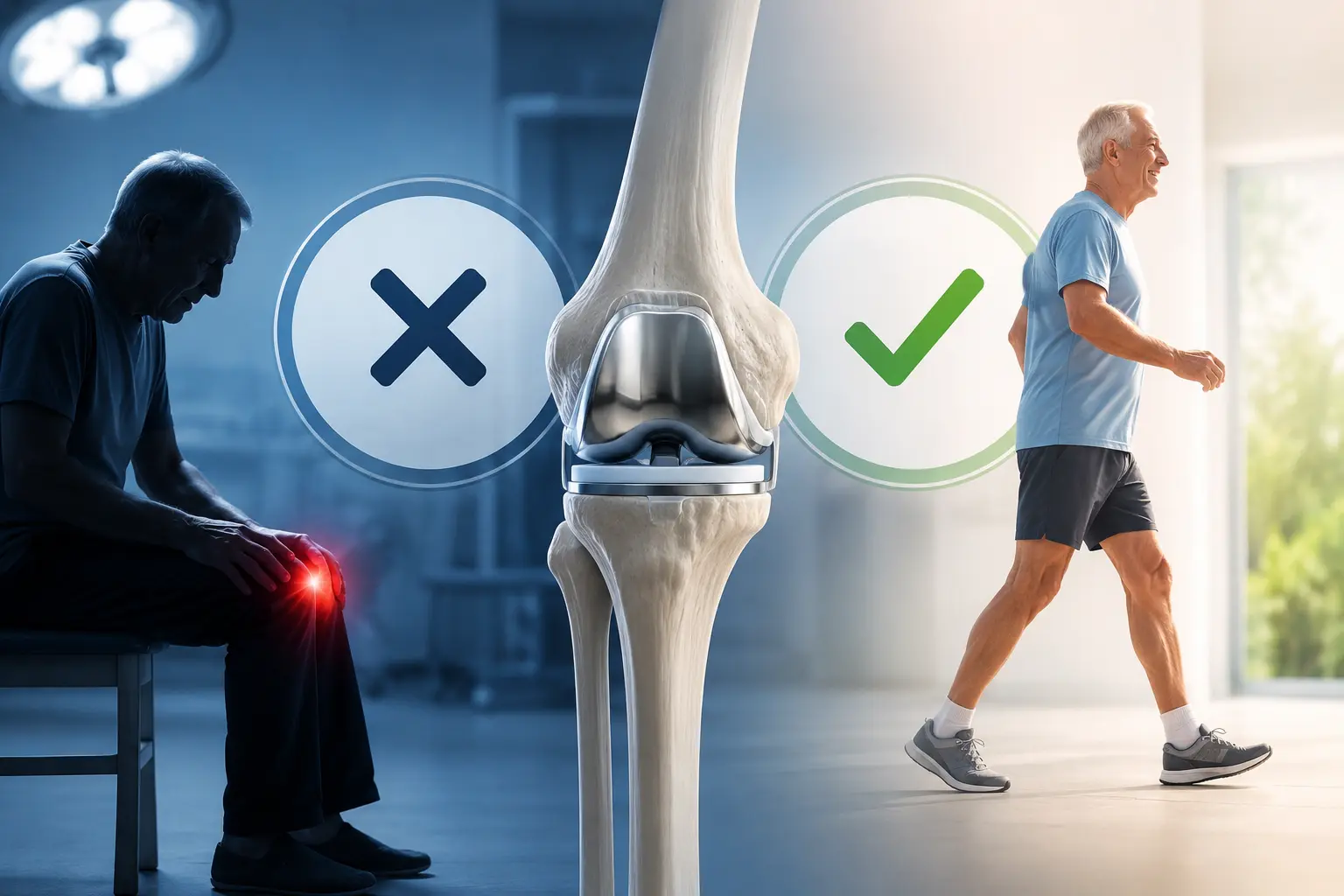
What joint replacement surgery actually is
A damaged or worn-out joint comes out, an artificial one goes in, metal, plastic, ceramic, usually some mix of the three. Simple enough in concept. The actual goal isn’t just less pain, it’s getting back things that quietly disappeared: walking without wincing, stairs, a full night’s sleep without the joint waking you up.
Knees and hips get replaced most often. Shoulders, elbows, ankles too, once other options run out. Surgeons don’t jump to it, usually it’s arthritis, an old injury, or general wear that’s ground someone’s mobility down enough that surgery becomes the sensible next step, not the last resort. Implants aren’t generic either. Imaging beforehand lets a surgeon size and align the implant to the person’s actual anatomy, which is a big part of why results look nothing like they did twenty years ago.
Why do the myths refuse to die
Mostly because people are running on stories, not evidence. Someone’s uncle had knee surgery in 2005 and it was miserable, and that becomes the mental model for everyone forever, never mind that almost nothing about the procedure has stayed the same since. Materials changed. Technique changed. Anesthesia changed. Rehab changed. Word-of-mouth didn’t get the memo.
There’s fear too, plain and simple, any invasive procedure sounds scary regardless of how good the actual outcomes are, and the internet doesn’t exactly calm that down. Age is another one. Joint replacement gets mentally filed under “old people surgery,” so younger patients sometimes rule themselves out without even asking the question, which isn’t always the right call. And social media just keeps recirculating rough recovery stories from a decade or more ago as if they’re current. They’re not.
The myths, actually addressed
It’s only for old people. Not true. Age-related arthritis accounts for most cases, sure, but younger patients with severe injuries or inflammatory joint disease benefit just as much, sometimes more.
Recovery takes a year. For most people, no. Walking with support starts within a day or two. Normal activities come back somewhere between six and twelve weeks, depending on which joint. A year-long recovery is the outlier, not what most people should expect.
The implant won’t last. Modern ones are built for fifteen to twenty-five years, sometimes well beyond that, with basic care. Where it’s done matters here, going to a place recognized as the best orthopedic hospital in Bangalore actually shapes implant selection, surgical precision, and how well the outcome holds up over time. Not a minor detail.
Who’s a good candidate
Chronic pain that gets in the way of walking, stairs, sleep, that’s usually where it starts, confirmed by imaging showing real cartilage loss or joint damage. Most candidates have already tried the non-surgical route: medication, physiotherapy, weight management, without much lasting relief.
Overall health matters too. Diabetes, blood pressure, heart conditions, if they’re under control, most people tolerate surgery fine. Active infections or unmanaged conditions are different, those usually need stabilizing first. A proper pre-surgical workup weighs benefit against actual risk. It’s not an age cutoff dressed up as medical judgment.
Before, during, after
Before: blood work, imaging, a physical evaluation. Sometimes medication adjustments or a bit of weight loss beforehand, if it improves the odds.
The surgery itself takes one to two hours, give or take. Damaged surface out, implant in, under general or spinal anesthesia. Afterward, patients get watched in recovery, then, often the same day, which surprises people, they get moved under supervision. Sounds backwards right after surgery, but it’s exactly what keeps stiffness and blood clots from becoming a second problem.
Hospital stays run two to four days on average. After that, recovery keeps going at home with a structured plan built by a physiotherapist.
What actually speeds recovery up
Sticking to physiotherapy, consistently, beats everything else on this list combined. Gentle movement rebuilds strength and range of motion without overloading a joint that isn’t ready for more yet.
After that: ice and elevation for swelling, enough protein to help tissue actually heal, holding off on high-impact stuff until it’s genuinely time. Walkers and crutches, used as long as advised rather than ditched early out of impatience, prevent the kind of fall that can undo weeks of progress in one bad step. Showing up to follow-ups matters more than most people assume, it’s how small issues get caught before they turn into bigger ones.
Patience is underrated here, honestly. Progress isn’t linear, and expecting it to be just breeds frustration nobody needs.
When to actually see someone
Pain that’s stuck around more than a few weeks, that worsens with activity, or that’s started interfering with walking or stairs, worth getting looked at. Same with morning stiffness, swelling, or a joint that visibly looks different than it used to.
Getting in early with the best orthopedic doctor in Bangalore settles the question fast: is non-surgical treatment still enough, or is replacement worth considering before things get worse. Acting early usually means more options and better outcomes than waiting until the pain is unbearable and the choices have narrowed.