

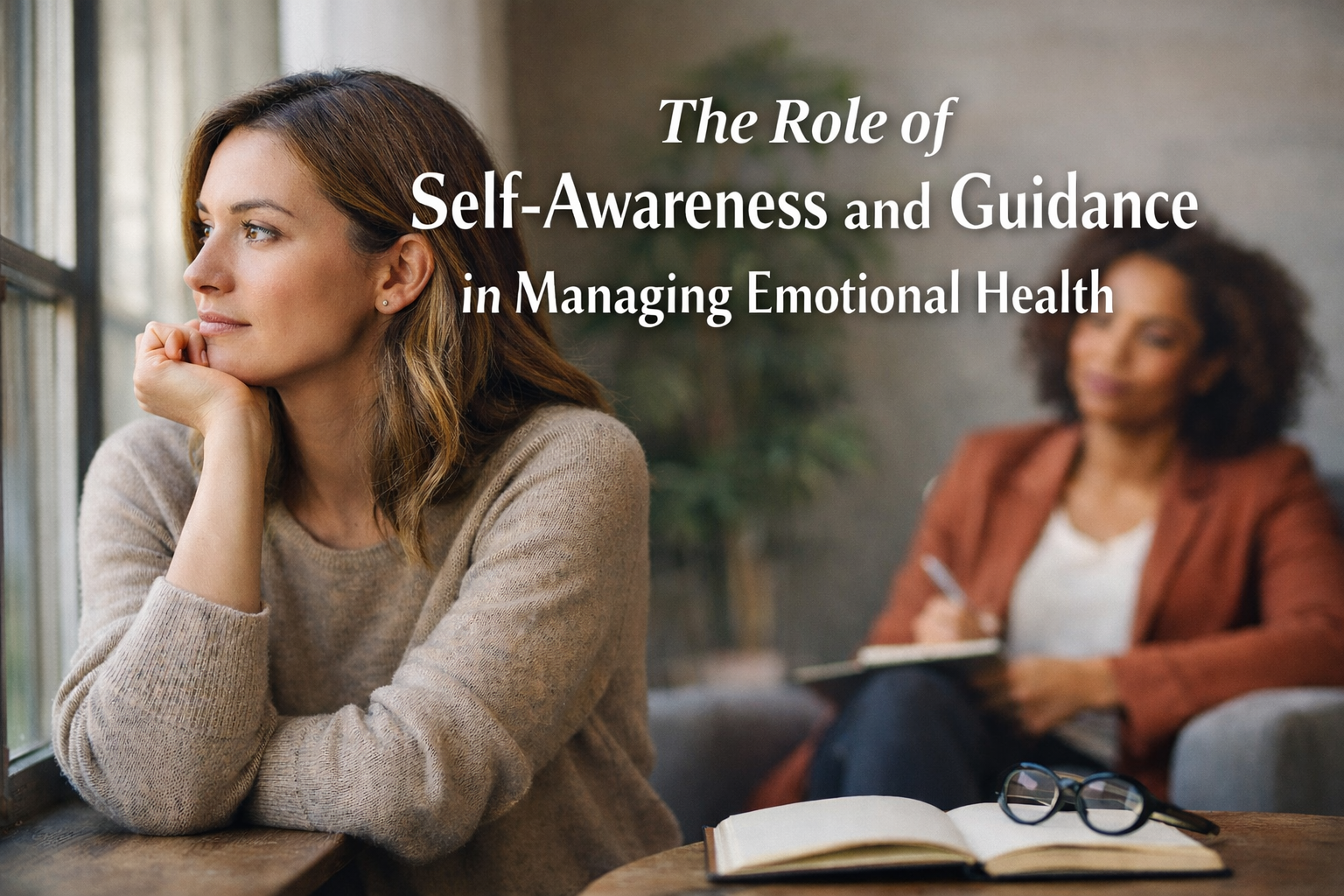
Emotional health isn’t something most people consciously learn growing up. We’re taught how to succeed academically, how to be productive, and how to meet expectations—but rarely how to understand what’s happening internally when emotions feel heavy, confusing, or overwhelming. As conversations around mental well-being continue to evolve, more attention is being given to two foundational elements that quietly shape emotional stability: self-awareness and guidance.
Together, they form a practical and human approach to managing emotional health—one that goes beyond surface-level coping and focuses on long-term understanding and balance.
Why Self-Awareness Matters More Than We Think
Self-awareness is often described as “knowing yourself,” but in practice, it’s much more nuanced. It’s the ability to notice your emotional reactions as they’re happening, recognize patterns in your thoughts, and understand how past experiences influence present behavior.
Many emotional struggles don’t come from the emotions themselves, but from not understanding them. When someone reacts with frustration, anxiety, or withdrawal without knowing why, emotions can feel unpredictable and out of control. Self-awareness introduces clarity. It helps answer questions like:
Why does this situation trigger me?
Why do I shut down during conflict?
Why do certain emotions feel harder to tolerate than others?
This awareness doesn’t arrive all at once. It develops gradually through reflection, lived experience, and honest observation—often during moments of discomfort. And while it can feel challenging at first, increased awareness often brings relief. When emotions have context, they become easier to manage.
The Limits of Self-Reflection Alone
Despite its importance, self-awareness has limits. Left entirely on its own, reflection can turn into overthinking, self-blame, or emotional looping. Many people become aware of their struggles but feel unsure how to change them.
This is where guidance plays a crucial role.
Guidance offers structure to self-awareness. It helps individuals interpret their emotional patterns more accurately and respond to them in healthier ways. Instead of asking, “What’s wrong with me?” guidance reframes the question to, “What is this emotion trying to tell me?”
In the context of emotional health, guidance isn’t about being given answers—it’s about being supported while discovering them. It helps people make sense of internal experiences that once felt overwhelming or disconnected.
Turning Insight Into Action
Awareness creates insight, but insight alone doesn’t always lead to change. Many people understand their emotional triggers yet still struggle to respond differently in the moment. Guidance helps bridge that gap.
For example, recognizing a pattern of emotional avoidance is an important step—but learning how to tolerate discomfort, communicate needs, or set boundaries requires practical tools. This is where mental health therapy often becomes part of the conversation, as it provides a structured environment for translating awareness into action.
Through thoughtful guidance, individuals can learn how to regulate emotions, challenge unhelpful thought patterns, and develop healthier responses over time. These changes rarely happen overnight, but they build gradually, creating emotional resilience that lasts.
Emotional Health Is Not Linear
One of the most overlooked aspects of emotional well-being is that progress is rarely straightforward. Emotional growth includes setbacks, moments of doubt, and periods where old habits resurface. Without self-awareness, these moments can feel like failure. With awareness, they’re recognized as part of the process.
Guidance plays an essential role here by helping individuals maintain perspective. It reinforces the idea that emotional health isn’t about eliminating difficult feelings—it’s about responding to them with understanding and care.
This balanced approach reduces self-criticism and encourages patience. Over time, individuals learn that emotional regulation isn’t perfection—it’s practice.
The Role of Support in Emotional Understanding
Modern culture often promotes independence and self-sufficiency, even when it comes to emotional struggles. While personal reflection is valuable, emotional health thrives in connection. Guidance—whether through trusted conversations, reflective practices, or professional support—provides external perspective that self-reflection alone can’t always offer.
An outside viewpoint helps identify blind spots, challenge assumptions, and normalize emotional experiences. It reminds individuals that their struggles are not personal failures, but human responses to stress, change, and unmet needs.
As discussions around mental well-being become more open, seeking guidance is increasingly seen as a sign of self-respect rather than weakness.
Building a Sustainable Relationship With Emotions
Ultimately, managing emotional health is not about suppressing emotions or constantly striving to “feel better.” It’s about building a sustainable relationship with internal experiences—one rooted in curiosity rather than judgment.
Self-awareness allows individuals to recognize emotions as signals rather than threats. Guidance helps them respond thoughtfully instead of reactively. Together, they support emotional balance, healthier relationships, and more grounded decision-making.
As more people move away from quick fixes and toward long-term well-being, the importance of reflection and guidance becomes clear. Emotional health isn’t something to conquer—it’s something to understand, navigate, and care for over time.
When self-awareness and guidance work together, emotional health becomes less about control and more about compassion—for oneself and others.