
Wellness has become a major part of everyday conversations. One month it was a new superfood, the next it was a fitness challenge or a magic supplement promising instant results. There’s always been a quest for the next big item that will make people feel healthier, more energetic and less stressed.
But something interesting has happened in the past several years. Many customers are going backwards, not forwards, in search of wellbeing. In contemporary life, we are witnessing a comeback of traditional, time-tested medicines and holistic approaches that have been in existence for generations.
Let’s be clear – Preventive wellness and modern lifestyles have to be inseparable. As healing after damage is harder vis-à-vis building health from the start.
This turn is no coincidence. This is symptomatic of a fundamental change in how people think about health and wellbeing.
Searching for balance in today’s fast paced world
Modern life makes life easier, but it also brings new problems. Many people work long hours, suffer from digital overload, erratic sleep and continual worry.
So the question is, do quick remedies genuinely get to the bottom of your health problems? This is one that people are beginning to ask themselves. Most are transitioning from quick-fixes to sustainable practices that benefit overall well-being.
The traditional systems of wellbeing are about balance, not treatment. They remind people to focus on food, lifestyle, sleep, movement and mental health as a healthy whole. The larger prognosis is based on consumer sentiment weighed down by the pressures of modern living.
A Rise in Preference for Natural Choices
A fundamental driver of this trend is a growing outreach for familiar and naturally-sourced ingredients. Consumers are examining labels more carefully like never before. They want to know what they’re eating and where their ingredients are coming from.
As a result, there has been a rise in popularity of natural wellness products centered on simplicity, transparency and traditional compositions. There are lots of people who would prefer to buy things that have been used for centuries than those that look heavily processed or are hard to grasp.
The appeal is generally a call to faith. Consumers don’t consider home cures passed down from generation to generation as a transitory fad, but as part of a greater wellness heritage.
Trust passed down through generations
If you ask someone why they take a particular herb, chances are they will point to a parent or grandparent who recommended it. Wellness is often centered on family traditions and there is a comfort level that could be absent from modern health fads.
This connection to legacy is what has consumers still searching for trusted Ayurvedic products and other traditional remedies. While lives have changed throughout the years, many individuals are glad that these ideas have lasted the test of time and are still applicable today.
For some, the return to traditional wellness is beyond health. It’s also about reconnecting to the cultural knowledge and the practices that have informed communities for generations.
Prevention is gaining in importance
The words we use to talk about healthcare are shifting. The emphasis is not so much on curing diseases, but rather on the maintenance of long-term health.
This greater focus on preventative wellness along with modern lifestyles is indicative of a change in mindset. And consumers are increasingly conscious of the impact their day-to-day habits will have on their future well-being.
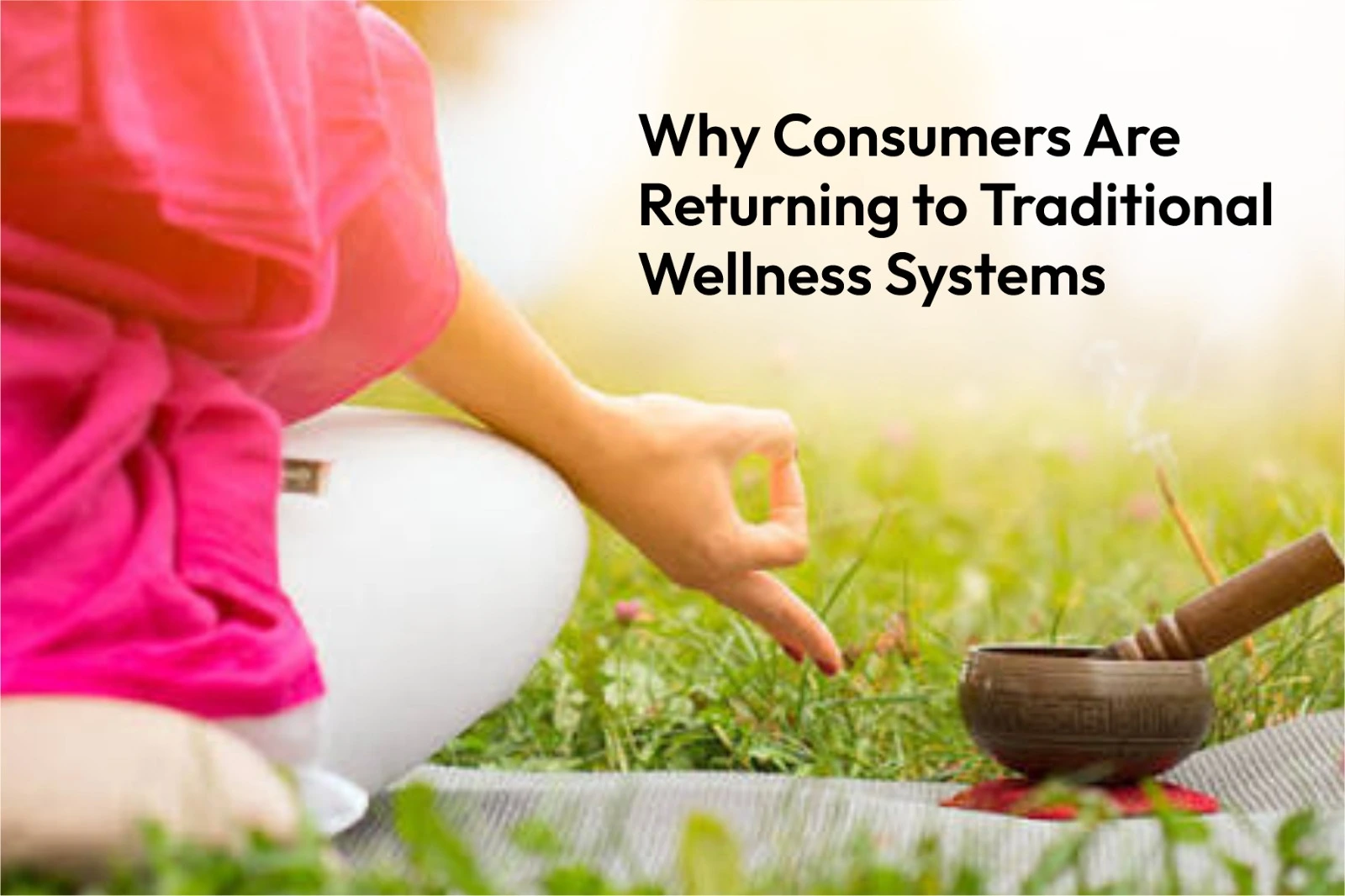
Wellness traditions emphasize active participation in health, encompassing balanced eating, mindful living, physical activity, and natural support for total well-being.
Consumers are becoming more focussed on maintaining wellness consistently rather than waiting for health concerns to appear
The Emergence of Holistic Thinking
Another reason traditional wellness is coming back is that you can’t separate physical health from emotional and mental wellness.
People are starting to realize that stress, sleep quality, food and everyday habits are all intimately related. This approach has fueled the growth of holistic health practices across all ages and demographic groups.
Consumers are increasingly turning to mindfulness, herbal traditions, yoga or other wellness techniques that see health as a comprehensive picture rather than a collection of separate symptoms.
Ethical standards are more important now than ever
Today’s consumers don’t just seek the function of a product. They also care how it is created. The decision to purchase today includes sourcing, sustainability, environmental effect and business ethics. This leads to increasing consumer investment in responsible and transparent ethical wellness brands.
This is especially true among younger consumers who want to be sure their purchase aligns with their personal ideals. The market supports well traditional wellness enterprises that focus on authenticity and ethics.
The contemporary consumer of wellness
And there have been noteworthy patterns in recent changes in consumer behavior. Consumers who are health conscious are becoming more knowledgeable and selective and are making smarter buying choices
Some wellness purchasing trend specialists have seen that shoppers are conducting more research before they buy. It comes down to reviews, ingredient openness, company reputation and scientific backing. Wellness businesses have reacted by calling for greater education and more information about their business.
Nature-inspired solutions continue to be popular
This has been reflected in product development due to the growing consumer demand for natural wellness solutions. The corporations are responding by developing items that mix old expertise with new quality requirements.
Consumers are increasingly looking for herbal health supplements to support their holistic wellness. Consumers want goods that blend seamlessly into their daily lives, not only reactionary health measures.
It’s a symptom of a larger desire for simplicity, for a return to habits that seem more connected to nature.
What’s Next?
It’s not simply nostalgia that’s driving the revival of old wellness systems. This is a transition in consumer priorities, shifting perceptions of health and a much-greater respect for a balanced life.
Wellness purchasing trends have shifted dramatically as people now prefer clean, transparent, and Ayurvedic products over synthetic quick fixes.
People today are asking the deeper questions about what it means to be healthy. They’re seeking for permanent habits, rather than fast remedies, to enhance their wellbeing in the long run.
It’s a shift that is happening and established systems of wellness are likely to play an essential role of that discourse. The world is getting more complex and this means that our approach to health needs to be more intelligent. Balance, preventive, natural ingredients and holistic care give this.