

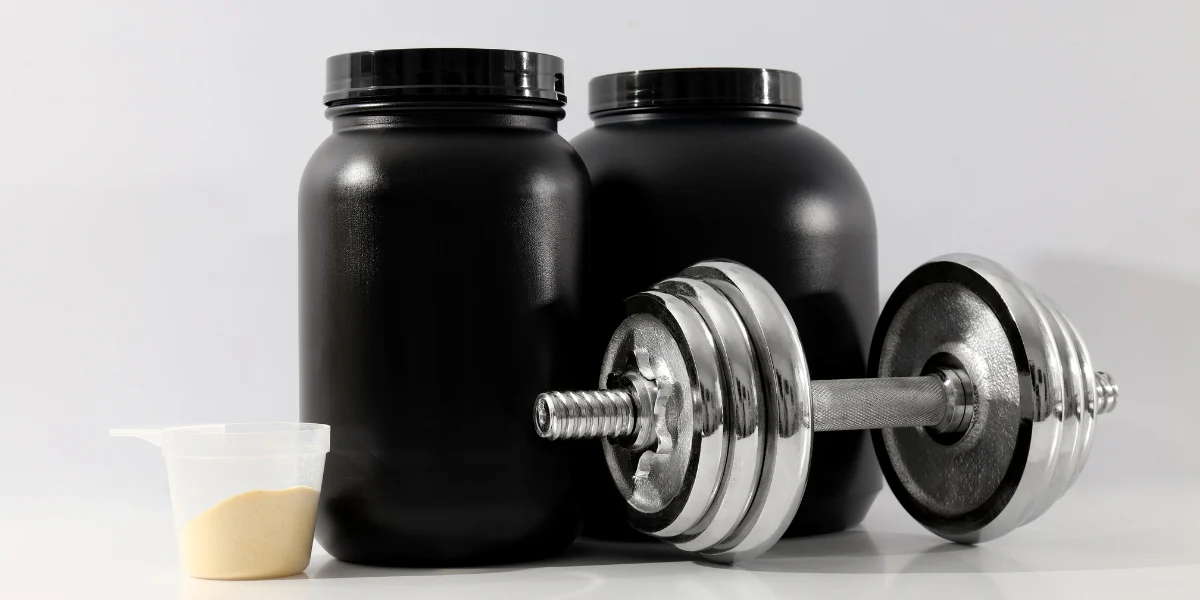
Walk into any supplement store and two tubs dominate the shelves: mass gainer and whey protein. Both are sold as muscle building products, both come in chocolate and vanilla, and both are mixed in a shaker, so it is easy to assume they do the same job. They do not. Many buyers look up how to buy weight gainers online in Pakistan, see a bigger tub for a similar amount of money, and pick it without checking what is inside. The right choice depends on your body type, your appetite, and your goal. This guide compares the two side by side so you can decide which one suits you.
What Is a Mass Gainer?
A mass gainer is a high calorie powder created to assist individuals to eat more than they burn. A serving is approximately 600 to 1,250 calories, 40 to 60 grams of protein and 100 to 250 grams of carbohydrates. Typically, the carbohydrates are derived from maltodextrin, oats or starch and the protein from whey and casein. Other formulas also contain digestive enzymes, vitamins and creatine.
The sole goal of a mass gainer is to provide a lot of calories in a drinkable form. It is not a protein supplement, but rather a calorie supplement.
Whey Protein is What?
Whey protein is a highly concentrated form of protein powder derived from milk. A standard scoop contains 20-25 g of protein and about 100-130 calories and little to none carbohydrate or fat. Absorbs rapidly and has naturally high levels of leucine, which acts as a key switch on for muscle protein synthesis.
The idea behind whey is to increase protein levels without extra calories. It’s just a protein supplement.
Mass Gainer vs Whey Protein at a Glance
| Factor | Mass Gainer | Whey Protein |
| Calories per serving | 600 to 1,250 | 100 to 130 |
| Protein per serving | 40 to 60 g | 20 to 25 g |
| Carbohydrates per serving | 100 to 250 g | 1 to 5 g |
| Serving size | 150 to 330 g | 30 to 35 g |
| Main purpose | Calorie surplus and weight gain | Meeting daily protein needs |
| Best suited to | Underweight people and hard gainers | Most gym goers, including those losing fat |
These are approximate values. The amount is dependent on brand and you should always refer to the nutrition label of the product you are planning on buying.
Each One Supports Muscle Growth
To stimulate muscle growth, you must provide three things in your diet – adequate protein, adequate total calories, and consistency over time. Training is the stimulus and food is the material.
The first is met by whey protein. If a diet provides adequate calories, then 1-2 scoops of whey protein will help supplement protein. The average amount of protein needed by those who work out is around 1.6 to 2.2 grams per kg of body weight per day.
To meet the second requirement, a mass gainer is used. Gainers are drinks containing additional hundreds of calories to help those who have trouble getting enough food into themselves in order to gain weight. It also contains protein in the middle that will help you meet your daily protein goal. Most of those calories, however, are derived from carbohydrates, which means that the extra weight isn’t all muscle. Excess calories over and above those your body needs for muscle growth can be stored as fat.
When It’s Best to Take a Mass Gainer
You might want to try a mass gainer if:
- Are underweight or naturally thin and struggle to gain weight.
- You have a low appetite and can’t eat enough solid food.
- You are an active person, with a physical activity or job that requires a lot of energy.
- You are unable to maintain normal eating habits.
- You know what you’re feeding into your body and you know you are eating under your calorie requirement.
A gainer is a tool for this group. It’s much simpler to drink 700 calories than to eat another full plate of rice and chicken.
For whom is Whey Protein suitable?
Whey protein is suitable for you if:
- You are of a normal weight or have a little extra body fat.
- You want to gain muscle, but little fat.
- You’re trying to lose fat and maintain muscle.
- You already eat three or more solid meals a day.
- Easily put on the pounds.
Whey is more versatile and is the preferred option for most gym regulars. It can be incorporated into a bulking, cutting or maintenance diet due to its low calorie content.
Comparing the Cost
A mass gainer tub typically will be heavier and larger than a comparable whey tub, and will appear to offer better value. That picture changes when you serve the size of the serving. A gainer serving could be anywhere from 150 to 330 grams, which means there might only be 8 to 16 servings in a large, full tub. The whey tub of similar quality will yield 60-70 servings.
Comparisons are best made on the basis of cost per gram of protein and cost per serving. The cost of whey protein is typically lower. A gainer provides calories, and most of these calories come from carbohydrates which can be purchased cheaply as regular foods like rice, oats, bananas and milk.
Do you need to take two things together?
Yes but most do not have to. If you are not getting enough protein in one day, then adding whey will help you meet your protein goals, but if you are already getting protein in your mass gainer, then it will not help you. Some hard gainers use a gainer once a day, typically after exercise or between meals, and use food for the remaining.
A home-made gainer is also available. Mix one scoop of whey protein with oats, milk, banana and a spoonful of peanut butter. This provides about 600-700 calories and quality protein – and you choose the ingredients and the sugar.
Avoid these common errors:
- If you’re eating enough meals, you don’t need an extra calorie: If you eat enough meals, a gainer can cause an increase in fat accumulation rather than muscle mass.
- Serving the entire amount right away: It is better to take the full amount in one go, but large quantities might lead to bloating. Begin at half-serving and gradually build up.
- 100% replacement of meals with shakes: Shakes should be used to supplement meals. Powers are lacking in fibre, vitamins and minerals when compared to whole foods.
- Not paying attention to added sugar: Some gainers have a high amount of added sugar. Always read the label before purchasing.
- Judging value by tub size: Compare the amount of servings per tub as well as the amount of protein per serving and not the weight of the container itself.
- Lack of training: No muscle building occurs without consistent resistance training and progressive overload.
Safety Considerations
Generally, both products are safe in healthy adults at standard doses. Lactose is consumed in some cases and may cause gas or bloating, especially when taking in large gainer servings. Milk allergy sufferers should refrain from both. Mass gainers are rich in carbs, so individuals with diabetes or blood sugar issues ought to check with their doctor prior to taking one. Individuals with kidney or liver disease should also consult their physician before using, and pregnant and nursing women should check with their doctors.
The Verdict
Both products are superior in some instances, and inferior in others. They have unique problems to solve. If you are a lean person who has trouble getting enough calories in your body and need to gain weight, a mass gainer could help you to get into a calorie surplus. For those who have to consume sufficient calories as it is and can only use more protein to maintain lean muscle mass and recovery, whey protein is a better fit – and this is the right protein for most people. Choose depending on your present weight, your appetite and your objective then remain consistent with your training, your eating and sleeping.
Frequently Asked Questions
Is Mass Gainer a Better Choice for Skinny People than Whey Protein?
But, for those who are underweight and have trouble getting the calories they need, a mass gainer might be more beneficial as it provides the necessary calories to gain weight and provides a good amount of protein.
Can taking mass gainer make me fat?
It can if it exceeds your calorie needs. Weight gain from a gainer will be a combination of muscle and fat – choose a serving size appropriate for your activity level.
Is it possible to gain muscle using only whey protein?
Yes, as long as the total number of calories in your meals is sufficient. Whey will deliver the protein you need for the day, resistance training will give the stimulus and energy for building muscle and a balanced diet will give the energy for the rest of your body.
Is it okay to consume the mass gainer along with whey protein in the same day?
Yes. Some individuals use a gainer after training, and whey at other times. It only makes sense if you are still not consuming the protein and/or calories you need in a day.
Mass gainer vs whey protein: Which one is more economical?
Whey typically is cheaper per gram of protein and provides significantly more servings per tub. One serving of a mass gainer is usually several times bigger than the other, which means it’s more expensive.