

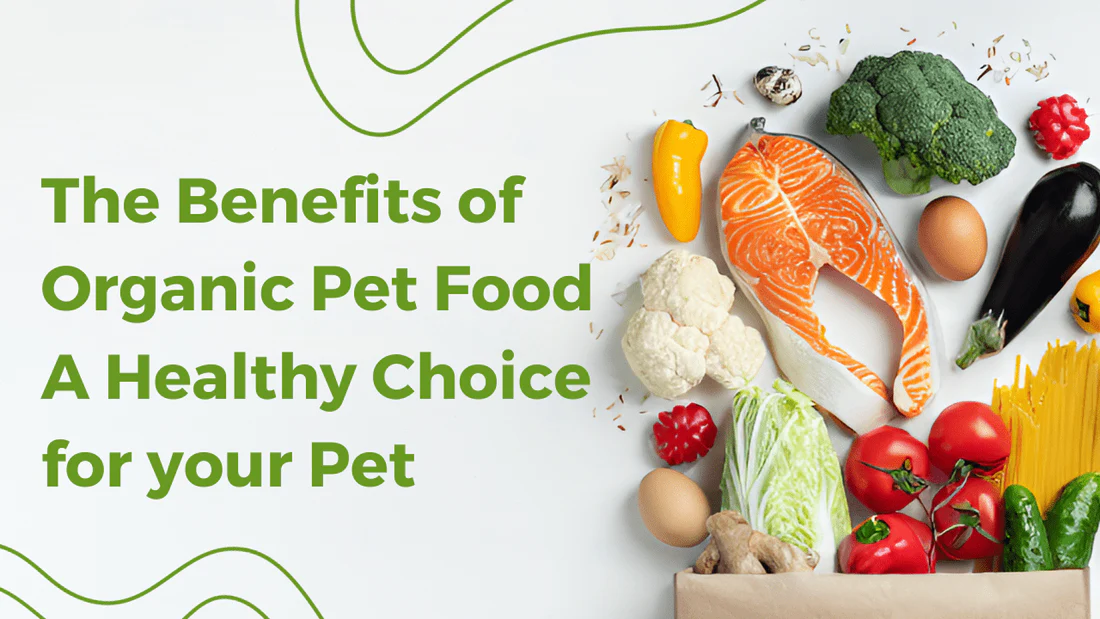
Organic Pet Food Benefits: When we hear the word organic, we usually think of fresh fruits, vegetables, and clean eating habits that support better health. But what does organic really mean when it comes to dog food? For pet owners who care deeply about their dog’s health, organic pet food has become an increasingly popular choice. It promises cleaner ingredients, fewer chemicals, and better overall nutrition.
Traditional pet foods often contain artificial additives, preservatives, and low-quality meat sources that may trigger allergies or digestive problems in dogs. Organic dog food removes many of these concerns, offering a gentler and more natural option that may improve skin health, coat shine, digestion, and overall comfort. Let’s explore whether organic dog food is truly worth the switch and what you should know before choosing it for your pet.
Understanding Organic Dog Food
Organic dog food follows principles similar to organic human food. It is made from ingredients grown without synthetic pesticides, chemical fertilizers, genetically modified organisms (GMOs), or artificial growth hormones. While there are no separate pet-specific organic labeling laws, most organic dog foods follow recognized organic farming and processing standards used for human food.
This usually means fewer artificial colors, flavors, and preservatives, along with minimal processing. Understanding organic dog food benefits goes beyond labels—it’s about how these cleaner ingredients affect your dog’s digestion, immune system, and long-term health. Choosing organic often means feeding your dog food that is closer to its natural dietary needs.
Pro Tip: Before switching your dog’s diet, always consult a trusted veterinarian to ensure the food meets your pet’s specific nutritional requirements.
Nutritional Benefits: Why Choose Organic Dog Food?
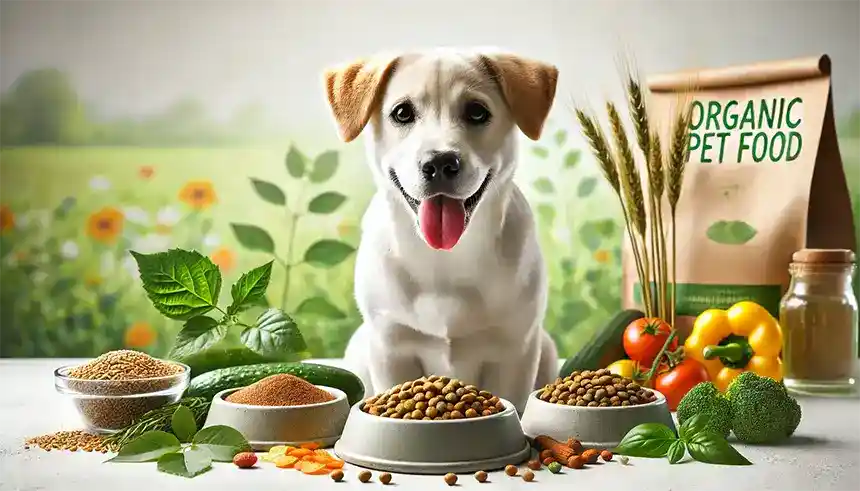
One of the biggest advantages of organic dog food is ingredient quality. Many conventional pet foods rely on animal byproducts, refined grains, and fillers that offer little nutritional value. Organic dog food, on the other hand, typically uses real meat, whole grains, and naturally sourced ingredients that provide better nourishment.
Think of it this way—many regular dog foods are similar to fast food, while organic dog food is more like a balanced, home-cooked meal. These foods are often rich in essential vitamins, minerals, antioxidants, and healthy fats. Such nutrients support strong immunity, better digestion, healthier skin, shinier coats, and higher energy levels, helping dogs maintain overall well-being as they age.
Beyond Nutrition: Additional Benefits of Organic Dog Food
Organic dog food benefits go beyond basic nutrition. One major advantage is reduced exposure to harmful chemicals. By avoiding pesticide residues, artificial additives, and synthetic preservatives, organic food may lower the risk of allergies, skin irritation, and long-term health issues in dogs with sensitivities.
There is also an environmental benefit. Organic farming practices often support soil health, reduce water contamination, and encourage biodiversity. Choosing organic pet food means you are not only making a healthier choice for your dog but also supporting more sustainable food systems that benefit the planet. For many pet owners, this ethical aspect adds extra value to organic options.
Making the Switch: How to Choose the Right Organic Dog Food
If you’re considering switching to organic dog food, it’s important to choose wisely. Start by reading food labels carefully. Look for certified organic ingredients and transparent sourcing details, such as grass-fed beef or free-range poultry. These indicators help ensure the food meets quality standards.
Every dog is different, so consider your pet’s age, breed, size, activity level, and any existing health conditions. Puppies, adult dogs, and senior dogs all have different nutritional needs. If you feel unsure, a veterinarian can guide you toward the best organic dog food based on your dog’s lifestyle and health history.
Is Organic Dog Food Worth It?
Switching to organic dog food is a proactive step toward improving your pet’s long-term health and quality of life. While organic options may cost more than regular dog food, many pet owners believe the benefits outweigh the price. Improved digestion, fewer allergies, better energy levels, and healthier skin are common reasons people make the change.
It’s not just about helping dogs live longer—it’s about helping them live better. Feeding your dog organic meats and naturally grown ingredients supports a happier, healthier life and gives pet owners peace of mind knowing they are making thoughtful choices for their furry companions.
To Read More Health Blog : beauty tips – well health organic.com
Disclaimer
This article is intended for informational purposes only and should not be considered veterinary advice. Always consult a qualified veterinarian before changing your pet’s diet. The publisher does not guarantee results and is not responsible for individual outcomes. The content is meant to help pet owners make informed decisions about organic pet food.