
Telehealth has transformed medical care for many. Appointments are easier for individuals who live far from clinics, have problems moving, or need to see a clinician promptly. It has also enabled healthcare companies to organize meetings more easily and contact more individuals. Even with telehealth, professional care requires paperwork. Doctors must record symptoms, assessments, treatment plans, prescription updates, and follow-up instructions even during virtual conversations.
This is where a scribe company may help: they enable telemedicine patients to take notes in real time. When they can quickly complete paperwork in the background, doctors can focus on patient care. This can speed up and improve virtual care sessions, which are time- and clarity-sensitive.
Telehealth Strains Job Flow
Even though virtual meetings are easier, they require planning. Doctors must evaluate the patient’s medical history, listen to symptoms, ask follow-up questions, provide therapeutic direction, and clarify future steps. Students must quickly document happenings. Two jobs might slow a meeting. Telehealth by phone or screen can make small pauses stand out. Typing while chatting and shifting focus may break the discussion. Taking comprehensive notes and providing treatment may slow doctors down.
Real-Time Recording Streamlines Visits
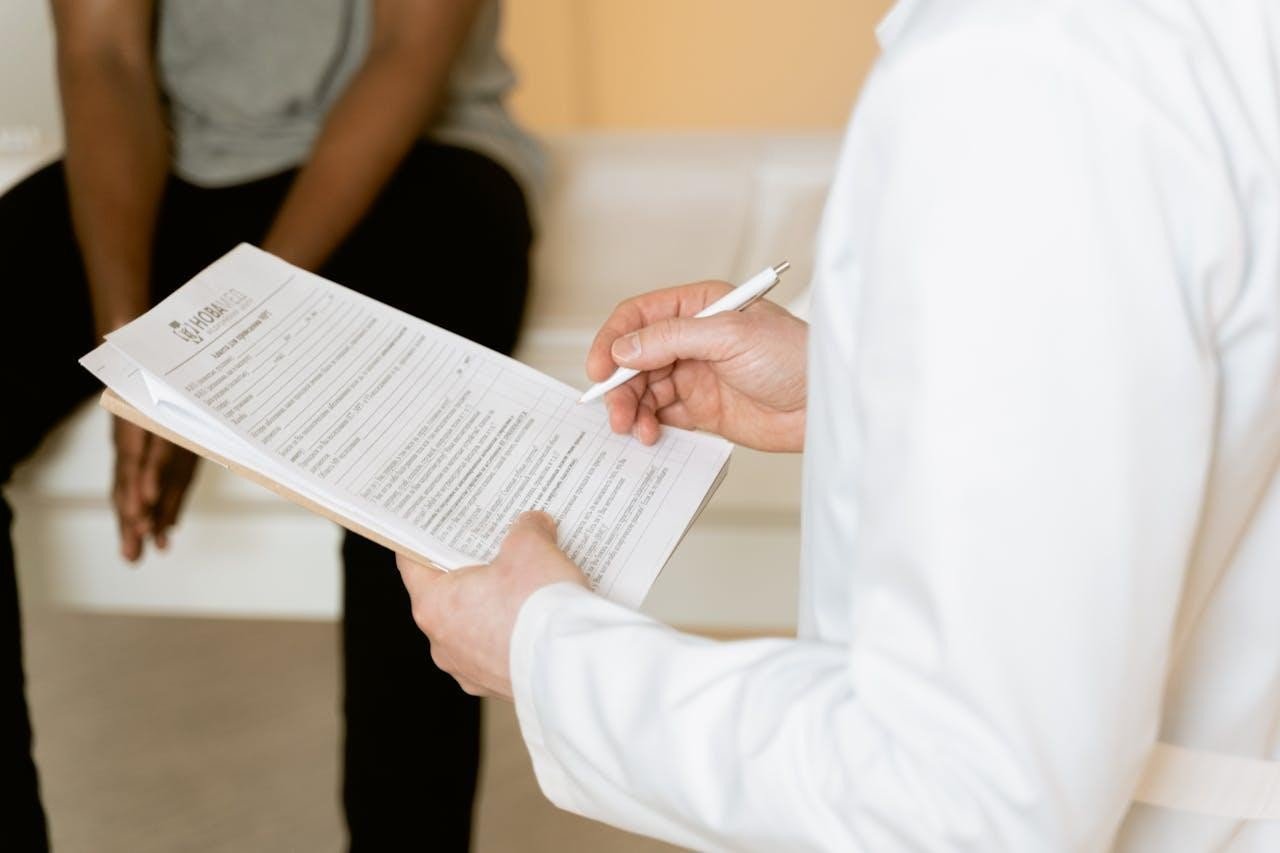
Real-time note-taking simplifies that by recording visit details as they happen. Instead of handing over papers to the doctor during or after the visit, a skilled documentation specialist can assist. The entire appointment may go more smoothly. Doctors spend less time taking notes and can focus on the patient’s concerns. That can be advantageous in telemedicine, when providers must rush from one video consultation to the next due to restricted appointment times.
Focusing Improves Communication
Clear communication is key in telehealth. Doctors must listen attentively because they can’t always rely on physical signs. Doctors taking notes may overlook important details in patient conversations about symptoms or concerns. Real-time notetaking encourages active listening. Doctors can focus on patients, ask better follow-up questions, and give instructions with fewer delays. That can improve communication and the meeting. Increased attentiveness can improve virtual care.
Customers and Providers Worry About Functionality
Good telehealth considers both sides’ help. Patients rate well-planned, helpful, and worthwhile conferences higher. They may leave with a better diagnosis, a treatment plan, or next steps. After a full day of meetings, providers may be on time and reduce paperwork. That efficiency transcends speed. Streamline the meeting. Having a good meeting can make everyone more professional, patient, and calm. A major benefit of telehealth is its convenience. Documentation support, rather than ordinary work, preserves that benefit. It can also reduce the tiny elements that make virtual visits feel unnatural or disconnected. If the consultation goes smoothly, the patient and physician may depart more educated and less frustrated.
Making Long-Term Virtual Care Possible
Telehealth will continue in healthcare, but its success depends on more than video platforms and patient demand. Workflows enable carers to provide care without the distraction of administrative duties. Real-time notetaking strengthens these procedures. It improves communication and productivity, allowing doctors to stay in the room and take precise notes. This can help providers conduct video consultations more quickly and for longer as more people use telehealth.