

Maintaining optimal oral health is foundational to overall physical well-being, everyday comfort, and personal confidence. When tooth loss occurs due to advanced periodontal disease, severe decay, unexpected physical trauma, or natural aging, the consequences extend far beyond aesthetic concerns. Missing teeth can alter speech clarity, severely compromise biting force, induce progressive jawbone resorption, and cause adjacent healthy teeth to shift out of alignment. Fortunately, modern restorative dentistry provides durable, biologically compatible, and lifelike tooth replacement alternatives, with dental implants leading the field as the premier long-term therapeutic standard for missing dentition.
WellHealthOrganic focuses on practical health and wellness information, helping readers make informed choices about healthy lifestyle habits, preventive care, and overall well-being.
Understanding the Structural Mechanics of Dental Implants
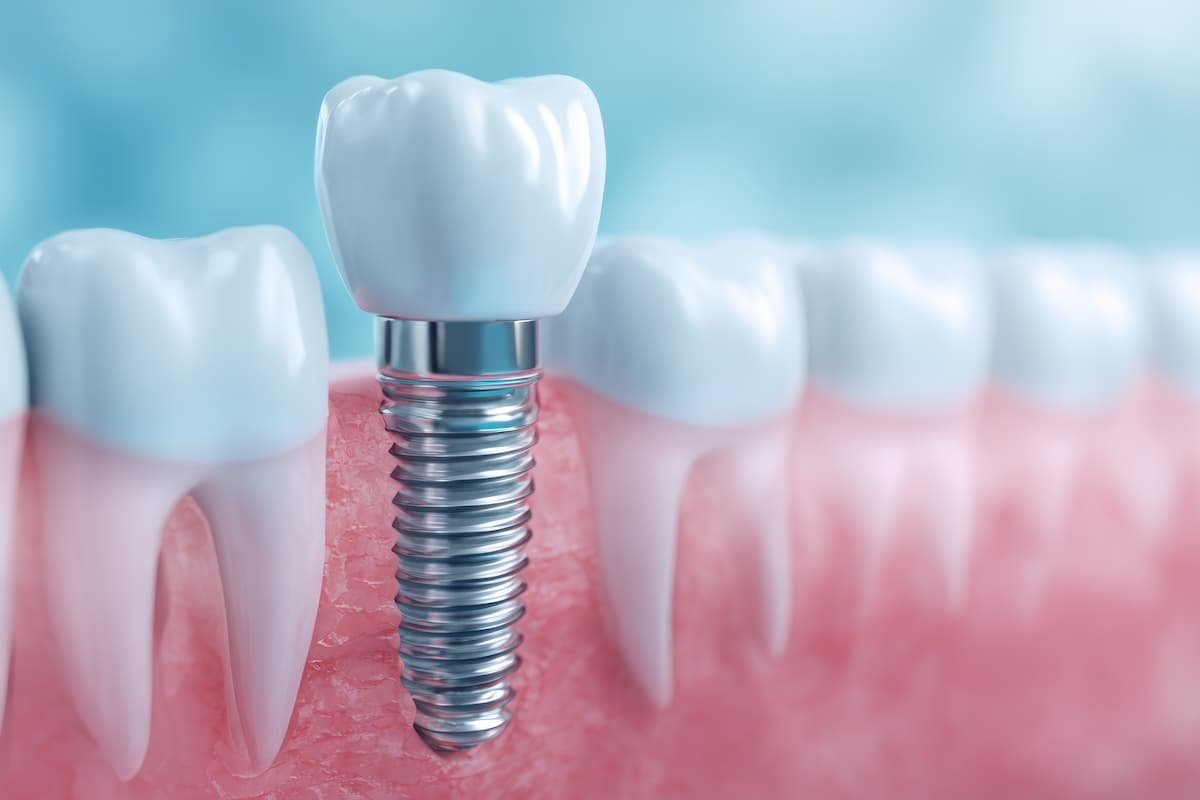
Unlike conventional tooth replacement alternatives such as removable partial dentures or fixed bridge restorations, dental implants replace both the visible anatomical crown and the underlying biological root. The structure consists of three essential components: a biocompatible post (typically engineered from medical-grade titanium or resilient zirconia), a precision-fitted abutment connector, and a custom-milled ceramic crown restoration. Once surgically positioned into the alveolar bone, the post undergoes osseointegration—a natural biological process where living bone cells fuse directly with the micro-textured implant surface, creating an extraordinarily rigid and permanent foundation.
This biological stability offers immense clinical advantages over traditional prosthetic methods. Fixed dental bridges require the permanent grinding down of healthy adjacent enamel to support pontic units, sacrificing natural tooth structure. Removable prosthetics can shift or click during mastication and speech, accelerating localized bone loss through uneven surface pressure. In contrast, implants naturally stimulate alveolar bone density through everyday chewing forces, preventing the sunken facial appearance and premature skin aging frequently associated with long-term edentulism.
Evaluating Candidacy for Implant Therapy
Determining whether a prospective patient is an ideal candidate for implant placement involves a comprehensive clinical examination, detailed health history review, and advanced three-dimensional cone-beam radiographic imaging. Key clinical factors influencing candidacy include:
- Sufficient Bone Volume: Adequate vertical height and horizontal alveolar bone ridge width are critical to house and stabilize the implant fixture securely.
- Periodontal Health: Healthy surrounding gingival tissues free from active inflammation or bacterial infection ensure smooth post-operative healing and tissue attachment.
- Systemic Health Stability: Chronic systemic conditions such as controlled diabetes or autoimmune disorders must be properly managed, as uncontrolled illnesses can impair microvascular tissue repair.
- Oral Hygiene Dedication: A strong personal commitment to daily brushing, flossing, and regular professional prophylaxis is vital to prevent peri-implant mucositis and peri-implantitis.
For patients presenting with localized bone deficiencies due to past extractions or chronic resorption, modern bone grafting procedures, ridge expansions, or sinus floor augmentations can effectively rebuild supporting bone architecture prior to fixture placement.
Comprehensive Clinical Care and Restorative Excellence
Achieving predictable, aesthetically pleasing clinical outcomes with dental implants requires meticulous treatment planning, gentle surgical technique, and artistic prosthetic design. When seeking experienced restorative care for dental implants rialto patients can trust dedicated clinicians such as David A Newsham DDS to deliver personalized restorative care tailored to individual oral anatomy and functional goals. Customized treatment protocols ensure that each prosthetic restoration harmonizes seamlessly with the patient’s natural dentition in shade, translucency, contour, and occlusal balance.
The journey from initial consultation to final crown placement follows carefully structured clinical milestones. Following comprehensive digital impressions and 3D treatment simulations, the implant is placed with surgical precision. After an appropriate healing period allowing for solid osseointegration, the custom ceramic crown is securely attached. Patients regain full masticatory strength, allowing them to enjoy their favorite nutritious foods without hesitation, dietary restrictions, or fear of displacement.
Long-Term Maintenance and Implant Longevity
With diligent home care and routine clinical evaluations, dental implants exhibit outstanding long-term success rates exceeding ninety-five percent across decades of clinical use. Caring for an implant restoration mirrors maintaining natural dentition: twice-daily brushing with a soft-bristled brush, daily interdental flossing or water flossing, and scheduling biannual professional dental checkups and cleanings. Investing in modern implant restorations preserves functional dentition, protects facial structure, and restores a vibrant, healthy smile for a lifetime.