
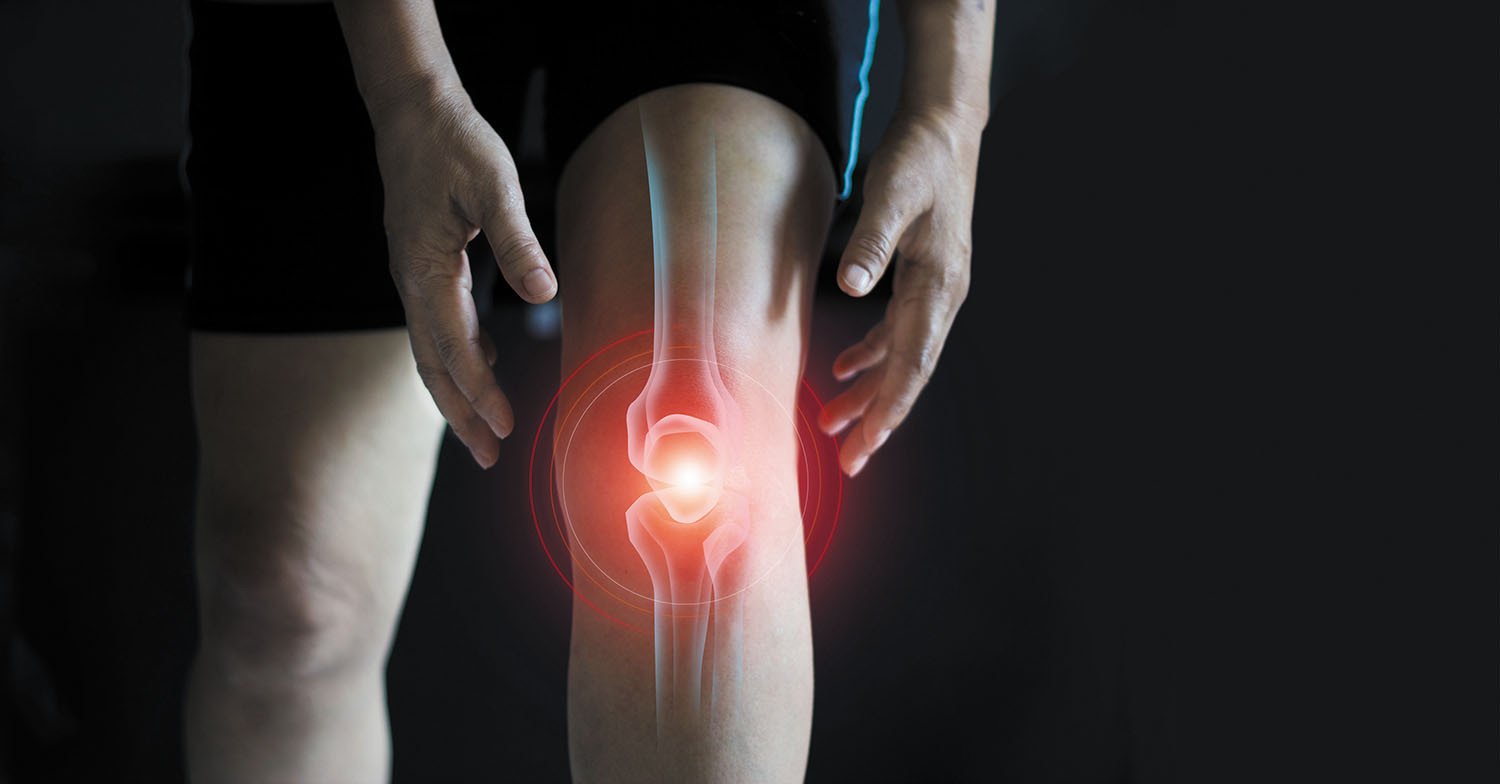
Recovering from a knee injury can be a humbling experience. It changes how one walks, sits, and even how they move during the day. Every step can feel cautious, like testing the ground before trusting it again.
For those healing from a knee injury such as a meniscus tear, daily movements play a big part in the recovery journey. These small, mindful actions help protect the knee and build back gentle strength gradually. Healing is not about pushing harder but moving smarter.
When it comes to treatment for meniscus tear, it involves more than just clinic visits or resting periods. It also means relearning how to move in ways that respect the body’s natural healing pace. With simple daily habits, it becomes possible to slowly restore comfort and rebuild confidence.
Moving with Care in Everyday Life
Everyday movements can either support healing or unknowingly make it slower. The first step is learning to move with awareness, not fear. The body is capable of healing, but it needs a little cooperation.
Mindful Steps When Walking
Walking is one of the most natural things people do, yet after a knee injury, it becomes something to relearn. Each step should be taken slowly, keeping weight evenly distributed through both legs. Short walks indoors or on flat ground are enough in the beginning. The key is to stay aware of posture and not lock the knees while standing.
Wearing well fitted shoes also supports recovery. Footwear that cushions each step helps ease pressure from the injured knee. Over time, walking mindfully can gradually improve strength and coordination without causing strain.
Sitting and Standing Safely
Simple actions like sitting and standing can put stress on the healing knee if done abruptly. It helps to place both feet firmly on the ground before lowering into a chair, letting the stronger leg take on more of the effort. When standing up, keeping the back straight and leaning forward slightly spreads weight evenly, making it easier on the joint.
Low chairs or soft couches might seem comfortable at first, but they can challenge stability when getting up. Choosing a seat with firm support allows the knees to stay aligned and reduces unnecessary bending or wobbling that makes recovery slower.
Gentle Range of Motion Practice
Rest is crucial, but total stillness can lead to stiffness and reduced flexibility. Gentle range of motion exercises help keep the knee active while it heals. Simple leg extensions or gentle heel slides while lying down can help the joint stay mobile. The goal is not to stretch fully but to remind the knee how to move comfortably again.
Listening to the body’s signals is the best guide. Mild soreness can be normal, but pain is a sign to take it easy. Gradual progress is better than pushing through discomfort. Healing thrives on patience and consistency, not force.
Building Strength Gradually and Safely
As pain decreases and movement starts to feel easier, adding small strengthening movements helps prepare the knee for daily activities. These exercises should be done slowly and carefully, focusing on control and balance rather than speed.
Strength through Simple Muscle Support
Knee recovery is not just about the joint itself. The muscles around it, especially the quadriceps and hamstrings, play a large role in support and balance. Light exercises such as gentle leg raises while lying flat, or squeezing the thigh muscles while seated, can build steady strength.
Consistency is more valuable than intensity. Doing these movements once or twice a day, for just a few minutes, helps maintain muscle tone without overworking the knee. It is better to stay consistent with mild effort than to risk worsening the injury through sudden effort.
Balancing Movement and Rest
It can be tempting to jump back into normal routines once pain starts to fade, but true healing takes time. Rest days allow tissues to repair and grow stronger. Alternating between movement and rest helps prevent lasting stiffness or another injury.
Elevating the knee when resting can help decrease mild swelling and improve circulation. Some people find comfort in brief stretches before bedtime, keeping the muscles loose and supported overnight. The body responds best to balance with not too much rest and not too much activity.
Relearning Confidence in Motion
Recovery is not only physical but also emotional. After an injury, trust in the body’s movement can take a while to return. Simple, deliberate actions rebuild that trust over time. Healing is not about perfection but about progress.
Regaining comfort in movement often begins with small wins such as a stable step, an easy stretch, or a walk without tension. With care and patience, these small victories lead to greater strength and ease.
When the knee starts to feel more reliable, low impact activities like swimming or stationary cycling can be introduced gradually. These activities strengthen without strong impact and help the joint remember how to move freely again. The important thing is to ease in gently, guided by comfort rather than a strict timeline.
A Thoughtful Takeaway
Protecting a healing knee is about more than rest, it is about mindful movement, patient rebuilding, and small acts of daily care. The body has remarkable resilience when given the chance. Every careful step, stretch, and pause for rest contributes to recovery.
Whether the journey takes weeks or months, each day offers an opportunity to move with purpose. With awareness, patience, and gentle consistency, the knee can regain not only function but also the confidence to move without fear.