

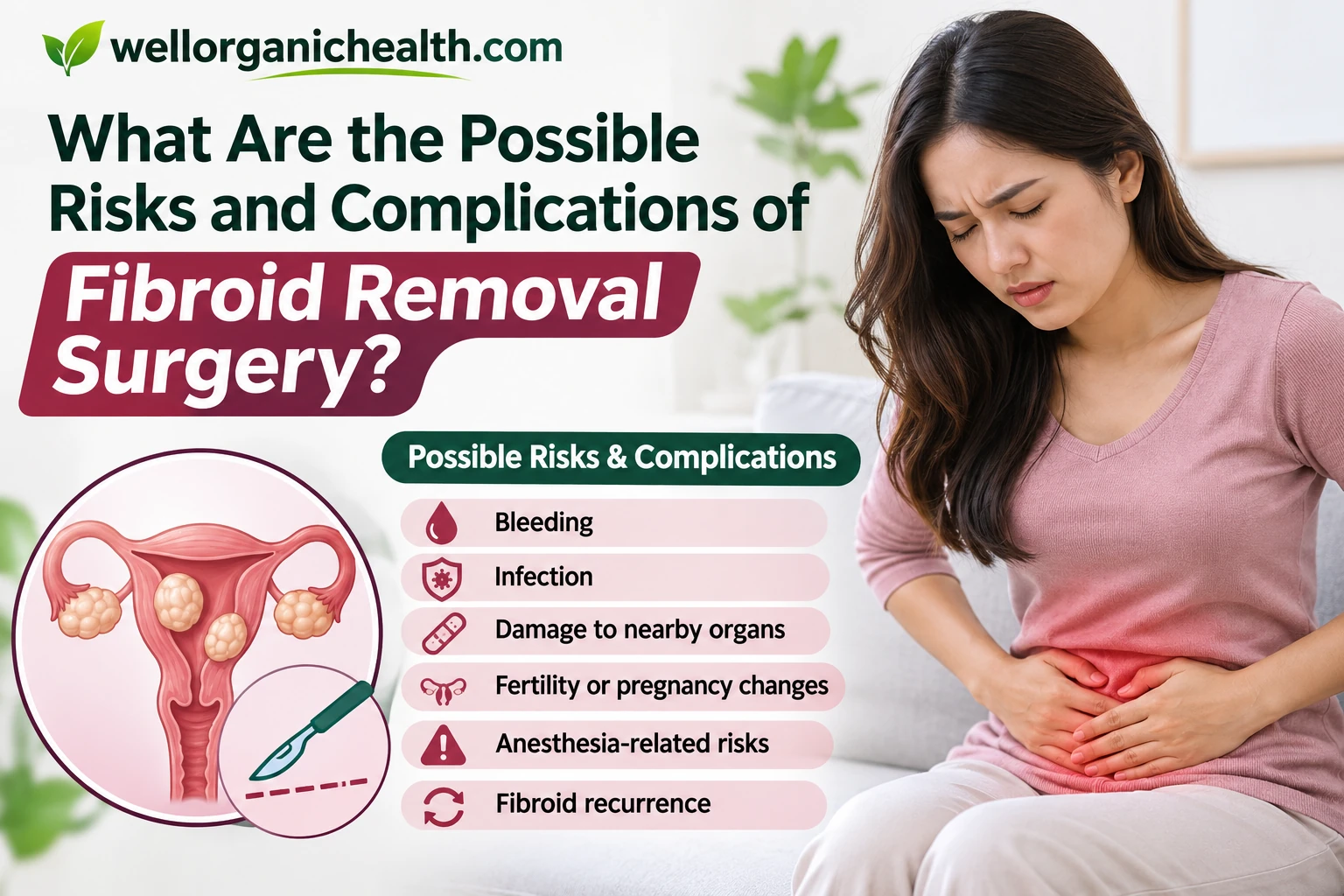
Fibroid removal surgery is one treatment option for women experiencing symptoms caused by uterine fibroids. Although surgery may help address heavy menstrual bleeding, pelvic discomfort and other fibroid-related concerns, it also carries potential risks that patients should understand before undergoing treatment.
A myomectomy is a surgical procedure that removes fibroids while preserving the uterus. It may be considered for women who wish to retain their uterus, including those planning future pregnancies.
As with any operation, complications can occur during surgery, shortly afterwards or later in life. Understanding these possibilities can help patients weigh the expected benefits against the risks and make informed decisions about their care.
Why Is It Important to Understand the Risks of Fibroid Surgery?
Surgical risks vary depending on the procedure, the characteristics of the fibroids and the patient’s overall health.
Some complications, such as bleeding or infection, are associated with many types of surgery. Others are more specific to myomectomy, including internal scar tissue, the development of new fibroids and possible implications for future pregnancies.
Not every patient will experience these complications. However, discussing them before treatment allows patients to understand the proposed procedure, available alternatives and potential consequences.
Individual risk assessments are particularly important when fibroids are large, numerous or located deep within the uterine wall.
What Are the Possible Complications During Fibroid Removal Surgery?
Certain complications may arise during the operation itself. Their likelihood depends on factors such as surgical complexity, the patient’s medical condition and the approach used.
Women considering uterine fibroids surgery should discuss the possible complications with their treating gynaecologist before proceeding.
Excessive Bleeding and Blood Loss
The uterus has an extensive blood supply, and removing fibroids may involve cutting into its muscular wall.
As a result, blood loss is an important consideration during myomectomy, especially when fibroids are large, numerous or deeply embedded.
Some patients may already have anaemia caused by prolonged or heavy menstrual bleeding, which can complicate the management of additional blood loss.
Depending on the circumstances, surgeons may use medication or surgical techniques to control bleeding. Significant blood loss may require a blood transfusion.
In uncommon situations, severe bleeding that cannot be controlled through other measures may require an emergency hysterectomy.
Injury to Surrounding Organs
The uterus is located near several structures, including the bladder, bowel, ureters and major blood vessels.
During fibroid removal, there is a possibility of accidental injury to these structures, particularly when the fibroids are large or anatomical structures are difficult to distinguish.
Previous pelvic surgery and scar tissue may also make the operation more complex.
If an injury occurs, additional treatment or surgical repair may be necessary.
Complications Related to Anaesthesia
Some myomectomy procedures are performed under general anaesthesia.
Although anaesthesia is routinely used in surgery, it carries potential risks, including allergic reactions, breathing difficulties and cardiovascular complications.
The anaesthetic team assesses relevant medical conditions, medications and other factors before the procedure.
The type of anaesthesia and associated risks should be explained as part of the preoperative discussion.
What Complications Can Develop After Fibroid Surgery?
Some complications become apparent during the days or weeks following surgery.
These may affect healing, require additional medication or lead to further medical assessment.
Postoperative Infection
Infection can develop at an abdominal incision or within the pelvic area after surgery.
Possible symptoms include fever, worsening abdominal pain, unusual wound discharge, increasing redness and a general feeling of being unwell.
Treatment depends on the location and severity of the infection. Antibiotics may be required, while more serious infections may need additional procedures.
Patients should seek medical assessment if they develop symptoms suggesting an infection.
Scar Tissue and Adhesions
Adhesions are bands of scar tissue that may form between tissues or organs following surgery.
After myomectomy, adhesions can develop around the uterus, ovaries or other pelvic structures.
Some adhesions cause no noticeable symptoms. Others may contribute to chronic pelvic discomfort, bowel-related problems or fertility difficulties.
The likelihood of adhesion formation depends on several factors, including the extent of surgery and tissue handling.
Although minimally invasive approaches may be associated with fewer adhesions than open abdominal surgery in suitable cases, scar tissue can still develop after either procedure.
Blood Clots
Surgery and reduced mobility during recovery can increase the risk of blood clots forming in deep veins, a condition known as deep vein thrombosis.
A clot may sometimes travel to the lungs, resulting in a pulmonary embolism, which is a medical emergency.
Healthcare professionals assess individual risk factors and may recommend early mobilisation, compression devices or medication when appropriate.
Patients should seek urgent medical attention for sudden breathing difficulties, chest pain or symptoms suggesting a blood clot.
Can Fibroids Return After Surgical Removal?
Myomectomy removes fibroids identified and treated during the operation, but it does not stop new fibroids from developing in the future.
This means that some patients may experience fibroid recurrence months or years after surgery.
The likelihood of recurrence varies according to factors such as age, the number of fibroids present and other individual characteristics.
However, the development of new fibroids does not automatically mean that another operation is necessary.
Some fibroids remain small and cause no troublesome symptoms, while others may require further monitoring or treatment.
Patients who develop recurrent heavy menstrual bleeding, pelvic pressure or other symptoms should seek reassessment.
Can Fibroid Removal Affect Future Pregnancy?
Myomectomy preserves the uterus, making it an option for some women who wish to conceive in the future.
However, surgery involving the uterine wall may have implications for subsequent pregnancies.
Uterine Scarring and Pregnancy
Removing fibroids from the uterine muscle may require incisions that are repaired during surgery.
These areas form scars as the uterus heals.
In rare circumstances, a uterine scar may separate during a future pregnancy or labour, a complication known as uterine rupture.
The risk depends on the extent and location of the uterine incisions and other factors.
For some patients, a planned caesarean delivery may be recommended in a future pregnancy.
Fertility Considerations
Although myomectomy may improve reproductive outcomes for selected patients, pregnancy cannot be guaranteed following surgery.
Postoperative adhesions or changes affecting the uterine cavity may sometimes interfere with fertility.
Patients who intend to become pregnant should discuss their reproductive plans, the expected extent of surgery and potential pregnancy implications before treatment.
Are the Risks Different for Each Surgical Technique?
Not every fibroid surgery involves the same degree or type of risk.
Laparoscopic myomectomy is performed through small abdominal incisions and is generally associated with less blood loss, shorter hospital stays and faster recovery than open surgery in appropriately selected patients.
Open myomectomy may be considered when fibroids are particularly large, numerous or difficult to access through minimally invasive methods.
Hysteroscopic myomectomy, which is performed through the cervix, has a different risk profile. Possible complications include uterine perforation, bleeding and problems related to the fluid used to expand the uterine cavity.
In some laparoscopic procedures, fibroid tissue may be divided into smaller pieces for removal. Patients should be informed about tissue extraction methods, including the risk of spreading an unsuspected uterine malignancy if morcellation is used.
The suitability of any surgical approach depends on clinical findings rather than incision size alone.
What Factors Influence the Risk of Complications?
Several patient-specific and fibroid-related factors influence surgical planning.
These include:
- Fibroid size and number: Larger or multiple fibroids may require more extensive surgery.
- Fibroid location: Deeply embedded fibroids may involve more complex uterine incisions and repair.
- Existing anaemia: Low haemoglobin levels may affect the patient’s ability to tolerate additional blood loss.
- Previous operations: Earlier pelvic or abdominal surgery may result in adhesions that complicate access.
- Underlying medical conditions: Diabetes, cardiovascular conditions and bleeding disorders may influence perioperative risk.
- Future pregnancy plans: The extent of uterine surgery may affect subsequent pregnancy management.
A preoperative assessment helps the treating team identify relevant concerns and determine which treatment options are appropriate.
How Are Surgical Risks Assessed and Managed?
Risk management begins with understanding the patient’s medical condition and the characteristics of the fibroids.
Pelvic imaging, blood tests and a review of medical history may help clinicians plan the procedure.
If anaemia is identified, treatment may be recommended before surgery. Other measures may include reviewing medications, planning blood-loss management and selecting a surgical approach suited to the patient’s circumstances.
Patients should understand that these measures are intended to reduce risk, not remove every possibility of complications.
An informed-consent discussion should also cover treatment alternatives, possible changes to the planned operation and any circumstances that could require further intervention.
When Should Patients Seek Medical Attention?
After surgery, some discomfort, tiredness and light bleeding may occur as part of the expected recovery process.
However, certain symptoms may indicate a complication requiring prompt medical assessment.
These include:
- Heavy or persistent vaginal bleeding
- Severe or worsening abdominal pain
- Fever or chills
- Increasing redness, swelling or discharge around an incision
- Persistent vomiting or difficulty passing urine
- Painful swelling or redness in one leg
Patients should follow their discharge instructions and contact their treating healthcare team if they experience symptoms that are unusual, persistent or worsening.
Fibroid removal surgery may help address troublesome symptoms while preserving the uterus, but patients should understand the possible complications before proceeding.
Bleeding, infection, adhesions, injury to surrounding organs and blood clots are among the potential surgical risks. Longer-term considerations include fibroid recurrence and the possible effects of uterine scarring on future pregnancy.
The likelihood and significance of these complications differ between individuals and depend on the fibroids, surgical approach and overall health.
For women considering fibroid surgery in Singapore or elsewhere, a thorough medical assessment and discussion of the available treatment options can support informed decisions based on individual health needs and reproductive goals.
Medical Disclaimer: This article is intended for general educational purposes only and does not replace professional medical advice, diagnosis or treatment. Surgical risks vary between individuals. Patients should consult a qualified healthcare professional for personalised recommendations and seek immediate medical attention if they experience symptoms suggesting a serious complication.