
Dentistry has changed dramatically over the past few decades. What was once a field dominated by traditional tools, manual examinations, and lengthy procedures has evolved into a technology-driven profession focused on greater precision, comfort, efficiency, and patient safety. Today’s dentist has access to advanced digital tools that can help detect dental problems earlier, create more accurate treatment plans, and provide patients with a more comfortable experience.
Technology is now involved in nearly every stage of modern dental care, from diagnosis and imaging to treatment and follow-up. These innovations allow dental professionals to work with greater accuracy while helping patients better understand their oral health and treatment options.
Digital Imaging Makes Diagnosis More Precise
One of the most important technological advances in modern dentistry is digital imaging. Traditional dental X-rays have largely been supplemented or replaced by digital systems that produce detailed images quickly and can be viewed on a computer screen.
Digital X-rays can help dentists identify cavities, bone loss, infections, impacted teeth, and other concerns that may not be visible during a routine examination. Because the images can be enlarged and enhanced, dentists can examine specific areas more closely when making a diagnosis.
Three-dimensional imaging, including cone beam computed tomography (CBCT), provides an even more comprehensive view of the teeth, jawbone, nerves, and surrounding structures. This technology can be particularly useful when planning dental implants, oral surgery, orthodontic treatment, and other complex procedures.
Intraoral Scanners Improve Treatment Planning
Intraoral scanners are another example of technology making dental care more convenient. Instead of using traditional impression materials that can feel uncomfortable or trigger a gag reflex, dentists can use a small handheld scanner to capture a digital model of a patient’s mouth.
The scanner creates a highly detailed three-dimensional representation of the teeth and gums. This digital model can be used to plan crowns, bridges, aligners, retainers, and other treatments.
Digital impressions can also make communication between dentists, dental laboratories, and patients more efficient. Dentists can share digital files securely with laboratories, reducing the need for physical impressions and potentially shortening the time required to produce certain dental restorations.
CAD/CAM Technology Speeds Up Dental Restorations
Computer-aided design and computer-aided manufacturing, commonly known as CAD/CAM, have transformed restorative dentistry. With this technology, dentists can digitally design restorations such as crowns and then use specialized milling equipment to manufacture them.
In some practices, patients may be able to receive a custom restoration in fewer appointments than would have been necessary using older techniques. Digital design also allows dentists to carefully evaluate the shape, size, and fit of a restoration before it is produced.
For patients, this can mean greater convenience and less time spent waiting for a restoration to be completed.
Laser Dentistry Can Improve Patient Comfort
Dental lasers are increasingly used for a variety of procedures involving soft tissue and, in some cases, hard tissue. Lasers can provide dentists with a precise method of treating specific areas while minimizing damage to surrounding tissue.
Depending on the procedure, laser technology may reduce bleeding, swelling, and discomfort and can sometimes shorten recovery time. Lasers may be used for gum treatments, certain cavity procedures, and other specialized dental applications.
The technology is not appropriate for every treatment, but when properly selected and used by a trained professional, it can be a valuable addition to modern dental care.
Artificial Intelligence Supports Earlier Detection
Artificial intelligence (AI) is also beginning to influence dentistry. AI-powered systems can analyze dental images and help identify patterns associated with conditions such as cavities, bone loss, and other abnormalities.
AI does not replace the knowledge and judgment of a qualified dentist. Instead, it can serve as an additional tool that supports clinical decision-making. By helping dentists review large amounts of visual information, AI may contribute to earlier detection and more consistent evaluations.
As these systems continue to develop, their role in preventive and diagnostic dentistry is likely to expand.
Technology Helps Patients Understand Their Oral Health
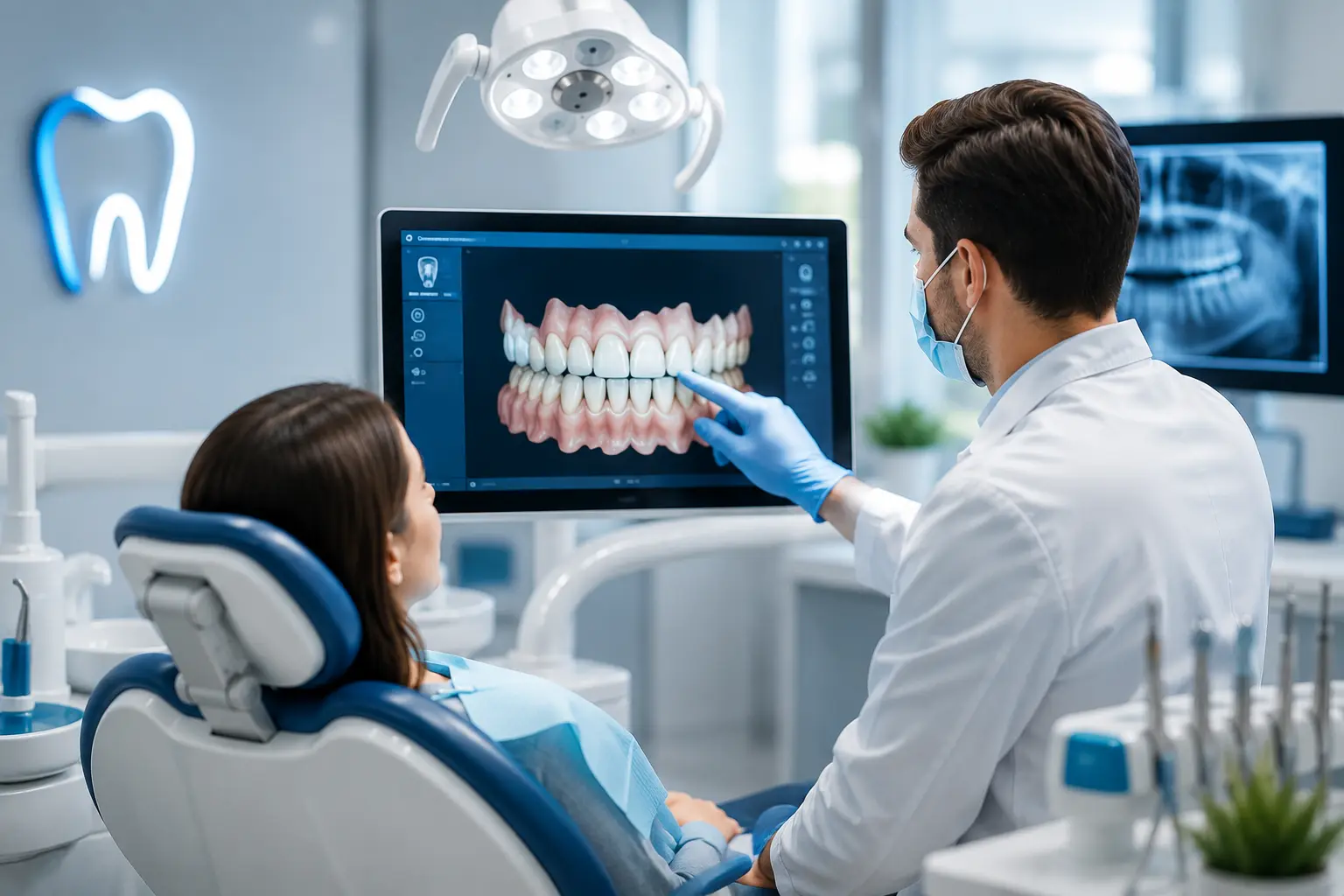
Modern dental technology is not only about improving procedures. It can also make communication between dentists and patients more effective. Digital images, 3D models, and chairside displays allow patients to see what their dentist sees.
For example, a dentist can show a patient a digital image of a cavity or demonstrate how a proposed restoration may look. This visual information can make complex dental concepts easier to understand and help patients make informed decisions about their care.
Practices ranging from small family offices to providers such as Dublin dentist Dr. Roland Pagniano Jr. can use modern technology to combine clinical expertise with more personalized patient education.
Teledentistry and Digital Communication Expand Access
Digital communication has also created new opportunities for dental consultations and follow-up care. Teledentistry can allow dentists to communicate with patients remotely for certain consultations, postoperative check-ins, oral health education, and preliminary assessments.
Although many dental conditions still require an in-person examination, virtual communication can make some aspects of care more accessible and convenient. Digital appointment systems, electronic health records, automated reminders, and secure patient portals can further improve the overall patient experience.
The Future of Dentistry Is Technology-Driven
Technology has become an important part of modern dentistry because it can support more accurate diagnosis, efficient treatment planning, improved communication, and greater patient comfort. From digital X-rays and intraoral scanners to CAD/CAM systems, lasers, and artificial intelligence, these innovations are changing how dental professionals deliver care.
However, technology works best when combined with professional knowledge and experience. A sophisticated scanner or imaging system cannot replace a dentist’s clinical judgment. Instead, modern tools give dental professionals better information and more precise ways to use their expertise.
As technology continues to advance, patients can expect dental care to become increasingly personalized, efficient, and preventive. The modern dental office is no longer simply a place where teeth are treated—it is a technologically advanced healthcare environment designed to help people maintain healthier smiles and better overall oral health.