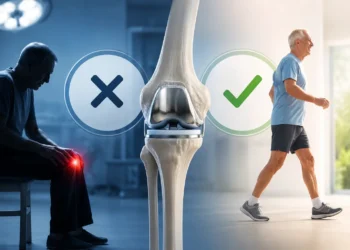


Rheumatic and immune-mediated conditions can involve the joints, connective tissues, blood vessels and other organ systems. Symptoms may also overlap across different conditions or change over time, making medical history, physical examination, previous investigations and ongoing observation relevant parts of the assessment process.
Aaria Rheumatology in Singapore provides care across rheumatology, clinical immunology and allergy. Its services cover inflammatory arthritis, systemic autoimmune diseases, immune disorders, allergic conditions and related musculoskeletal concerns.
When Rheumatology Overlaps With Immunology and Allergy
Rheumatology is commonly associated with joint pain and arthritis, but the field also covers diseases that can affect several parts of the body. These include connective tissue diseases, vasculitis and systemic autoimmune conditions.
Clinical immunology examines disorders involving the immune system, including immune dysregulation, immunodeficiency and recurrent infections. Allergy care may involve investigating reactions linked to medicines, vaccines, foods or environmental triggers.
Because these areas can overlap, assessment may require interpretation of symptoms, blood tests, imaging, biopsy findings and previous specialist reports. Some patients may not receive a definitive diagnosis during an initial consultation, particularly when symptoms are still developing or test findings are unclear.
Medical Background and Specialist Training
Dr Anindita Santosa is the Founding Medical Director of Aaria Rheumatology. She practises as a Consultant Rheumatologist, Clinical Immunologist and Allergist.
Her listed qualifications are:
- MBBS
- MRCP (UK)
- FAMS (Rheumatology)
Dr Santosa has practised as a rheumatologist since 2017 and completed formal subspecialty training in Clinical Immunology and Allergy in 2023. She holds an MSc in Allergy from Imperial College London and is pursuing a part-time MSc in Integrated Immunology at the University of Oxford.
She consults in English and Bahasa Indonesia.
Dr Santosa’s Clinical Interests
Dr Santosa’s stated clinical interests include autoimmune diseases, inflammatory arthritis, systemic autoimmune connective tissue diseases, connective tissue disease-associated pulmonary hypertension and osteoporosis.
Her practice also covers allergic disorders, immune dysregulation and adult immunodeficiency. The clinic profile additionally notes her interest in women’s health and the ways autoimmune and immunological conditions may affect women during different stages of life.
Conditions Seen at Aaria Rheumatology
The clinic’s scope includes rheumatological, immunological and allergic conditions. The tests, treatment options and follow-up arrangements recommended for a patient depend on the clinical assessment and diagnosis.
Inflammatory and Autoimmune Rheumatic Conditions
Rheumatology services listed by the clinic include the assessment and management of:
- Rheumatoid arthritis
- Psoriatic arthritis
- Axial and peripheral spondyloarthritis
- Systemic lupus erythematosus
- Sjögren’s syndrome
- Systemic sclerosis, also known as scleroderma
- Idiopathic inflammatory myopathies
- Mixed and undifferentiated connective tissue diseases
- Overlap syndromes
- Gout and hyperuricaemia
- Calcium pyrophosphate deposition disease
- ANCA-associated vasculitis
- Large- and medium-vessel vasculitis
- Behçet’s disease
- Autoinflammatory and other immune-mediated disorders
The clinic also sees people with osteoarthritis, soft tissue rheumatism, fibromyalgia, chronic widespread pain and joint hypermobility syndromes.
Clinical Immunology Concerns
Clinical immunology services include the evaluation of immune-mediated inflammatory diseases and immune dysregulation syndromes.
The clinic also assesses primary and secondary immunodeficiency, recurrent infections and concerns that may require an immune evaluation. This can include autoimmune serology, an immune work-up and interpretation of complex or inconclusive immune test results.
Allergic Conditions
Allergy services may involve the assessment of suspected drug hypersensitivity and counselling for possible vaccine allergy.
Other conditions listed by the clinic include:
- Allergic rhinitis
- Allergic conjunctivitis
- Urticaria
- Angioedema
- Food allergies
- Environmental allergies
- Conditions involving both allergic and immune-mediated features
Assessment may be followed by risk evaluation and a plan for monitoring or continuing management where required.
How an Initial Consultation May Be Structured
An initial consultation generally begins with a discussion of the patient’s symptoms, medical history, previous investigations and treatments. The doctor may also ask how the condition affects daily activities, employment, family responsibilities and general wellbeing.
A focused physical examination may then be performed based on the symptoms and concerns discussed.
Previous medical information can help provide context. Where available, patients may bring:
- Consultation notes or clinic letters
- Hospital discharge summaries
- Blood test results
- X-ray, CT, MRI or ultrasound reports
- Biopsy or pathology reports
- A list of medications and supplements
- Information about treatments previously stopped
- A summary of when symptoms began and how they have changed
- Questions they would like to discuss
Information relating to pregnancy plans, recent infections, vaccinations, family history or relevant life events may also be discussed where applicable.
Understanding the Diagnosis and Next Steps
Autoimmune and immunological conditions do not always produce a clear diagnosis at the beginning of an assessment. Some symptoms may need to be observed over time, while additional tests may be considered when they are relevant to diagnosis or management.
Where possible, the consultation may cover:
- The working diagnosis or possible diagnoses
- Findings that are currently understood
- Areas that remain uncertain
- Investigations that may be considered
- Available treatment options
- Follow-up arrangements
Treatment discussions may include the potential benefits, risks and alternatives associated with each option. Medication use, vaccination planning, lifestyle considerations and symptoms to monitor between appointments may also be addressed.
Treatment Planning and Continuing Care
Treatment depends on the condition, disease activity, medical history and individual circumstances. Medication options listed by Aaria Rheumatology include conventional synthetic disease-modifying antirheumatic drugs, biologic therapies, targeted synthetic therapies, immunomodulatory medicines and immunosuppressive treatments.
The clinic states that these therapies are considered following an assessment of their possible risks and benefits.
Procedural services may include:
- Joint and soft tissue injections
- Musculoskeletal assessments
- Guided interventions
- Nailfold capillaroscopy
- Infusion and therapy planning where applicable
Nailfold capillaroscopy examines small blood vessels around the nail bed and may form part of the assessment for certain connective tissue or vascular conditions.
Continuing care may involve monitoring disease activity, reviewing treatment, planning for possible flares and discussing rehabilitation or lifestyle support. The clinic also provides reviews for diagnostic clarification, treatment strategy assessment and care planning in complex cases.
Coordinating Care Across Medical Disciplines
Some rheumatic and immune-related diseases affect several organ systems. In such circumstances, care may involve communication with other medical and allied health professionals.
The clinic lists coordination with professionals in:
- Obstetrics
- Nephrology
- Dermatology
- Respiratory medicine
- Neurology
- Allied health services
The specialists involved will depend on the organs affected, the diagnosis and the patient’s clinical needs.
Women’s Health Across Different Life Stages
Autoimmune and inflammatory conditions can raise treatment and monitoring considerations during pregnancy, breastfeeding, menopause and other stages of life.
Services listed by Aaria Rheumatology include:
- Autoimmune disease management during pregnancy and breastfeeding
- Fertility discussions
- Contraception counselling
- Medication counselling
- Menopause and midlife considerations
- Disease management across different life stages
These discussions may help patients understand how a condition or prescribed medicine could relate to reproductive plans and other health considerations.
Professional, Educational and Advocacy Work
Dr Santosa is involved in clinical education, academic writing, professional development and invited lectures. Her academic interests include immune dysregulation, systemic autoimmune diseases and therapies used for immune-mediated inflammatory conditions.
Her professional affiliations include the Singapore Society of Rheumatology and the Asia Pacific League of Associations for Rheumatology. She is also involved with the Lupus Association Singapore in patient advocacy, education and awareness relating to systemic autoimmune diseases.
Her clinic profile further lists involvement with Indonesia.MD and co-founder roles at AIGP Health and Clinversa.
Visiting Aaria Rheumatology in Singapore
Aaria Rheumatology has consultation locations at Gleneagles Medical Centre and Mount Alvernia Hospital.
Gleneagles Medical Centre
6 Napier Road, Gleneagles Medical Centre, #09-11, Singapore 258499
WhatsApp: +65 8339 0893
Mount Alvernia Hospital
820 Thomson Road Medical Centre A #02-08, Singapore 574623
WhatsApp: +65 9150 9650
General Enquiries
- Telephone: +65 6908 1730
- Urgent attention after office hours: +65 6535 8833
- Email: enquiry@aariarheumatology.com.sg
Appointments may also be requested through the clinic’s online contact form.