

Are you a vegetarian and want to stay energetic every day? Vitamin B12 foods play a vital role in maintaining energy, brain function, and overall health. Since plant-based diets lack natural B12, smart choices become essential.
Vitamin B12 supports red blood cell formation, nerve strength, and energy metabolism. Although it is mainly found in animal foods, vegetarians can meet daily needs through fortified foods, dairy options, and supplements.
This guide explains what Vitamin B12 is, why your body needs it, vegetarian food sources, health benefits, deficiency risks, and safe dosage guidelines for adults and children.
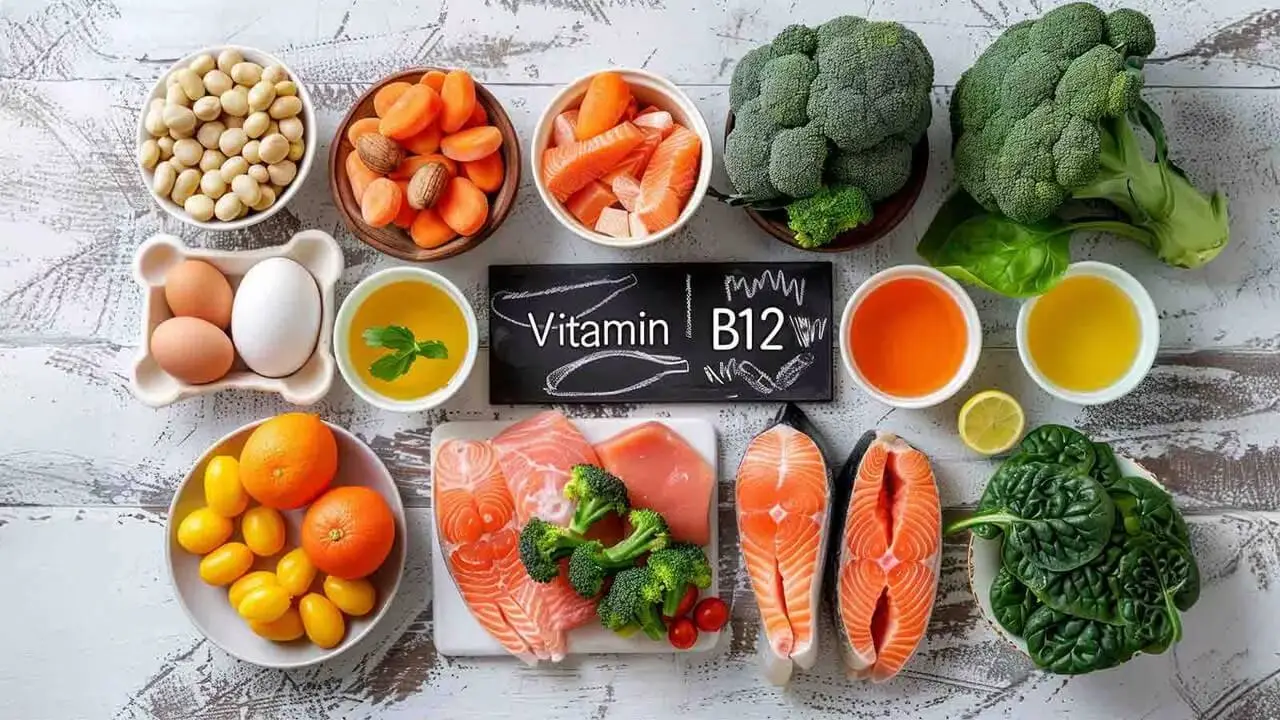
What Is Vitamin B12?
Vitamin B12, also called cobalamin, is a water-soluble vitamin essential for nerve health, DNA formation, and red blood cell production. Since the body cannot make it, dietary intake is necessary.
Without regular Vitamin B12 intake, the body may struggle with energy production, nerve signaling, and oxygen transport, making this nutrient especially important for vegetarians and vegans.
Role of Vitamin B12 in the Body
Vitamin B12 helps produce healthy red blood cells, allowing oxygen to reach all body parts efficiently and preventing fatigue, weakness, and anemia caused by low oxygen levels.
It supports nervous system function by protecting nerve cells and improving communication between the brain and body, reducing the risk of tingling, numbness, and memory problems.
Vitamin B12 also assists DNA synthesis and converts food into usable energy, helping you stay active, focused, and mentally alert throughout the day.
Why Do Humans Need Vitamin B12?
Humans need Vitamin B12 to maintain healthy nerve cells and prevent nerve damage that can affect coordination, memory, and overall brain function.
It helps prevent anemia by supporting red blood cell production, ensuring proper oxygen flow and reducing symptoms like dizziness and constant tiredness.
Vitamin B12 supports energy metabolism, reduces fatigue, and plays a role in heart health by helping control homocysteine levels in the blood.
Top Vegetarian Sources of Vitamin B12
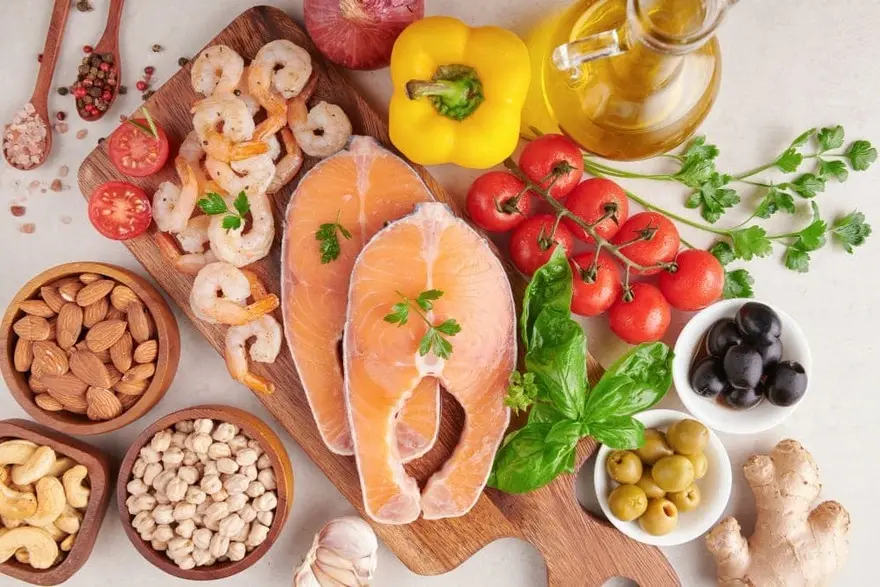
Vegetarians can meet Vitamin B12 needs through fortified foods and selected natural sources, which are more reliable than unfortified plant foods for daily intake.
1. Fortified Non-Dairy Milk
Fortified soy, almond, and oat milk often contain added Vitamin B12, making them a convenient daily option for vegetarians.
They are easy to include in smoothies, cereals, or warm drinks and provide consistent B12 intake when consumed regularly.
2. Nutritional Yeast
Nutritional yeast is a popular vegetarian seasoning with a cheesy flavor and is often fortified with Vitamin B12.
It can be sprinkled on popcorn, pasta, soups, or vegetables, making it an easy and tasty way to boost daily B12 intake.
3. Fortified Breakfast Cereals
Many whole-grain cereals are fortified with Vitamin B12, offering a quick and accessible option for busy mornings.
Pairing cereals with fortified plant milk increases absorption and helps meet daily Vitamin B12 requirements more efficiently.
4. Tempeh
Tempeh is a fermented soy product commonly used in vegetarian diets and may contain small natural amounts of Vitamin B12.
While not fully reliable alone, tempeh can support B12 intake when combined with fortified foods or supplements.
5. Mushrooms (Selected Varieties)
Certain mushrooms like shiitake and chanterelle contain trace amounts of Vitamin B12 from natural exposure.
Although helpful, mushrooms should not be the sole source and work best as part of a balanced vegetarian diet.
6. Dairy Products
Milk, yogurt, and cheese are dependable vegetarian sources of Vitamin B12 and easy to include in daily meals.
Regular consumption supports steady B12 intake and helps prevent deficiency, especially for lacto-vegetarians.
7. Nori (Seaweed)
Nori is a dried seaweed used in sushi and contains small amounts of B12-like compounds.
Absorption varies, so it should be used as a supporting food rather than a primary B12 source.
Vitamin B12 Dosage: How Much Do You Need?
Adults generally require 2.4 mcg of Vitamin B12 daily, while pregnant and breastfeeding women need slightly higher amounts to support fetal and infant development.
Children require smaller doses based on age, ranging from 0.4 mcg for infants to 1.8 mcg for early teenagers.
Vegetarians may need supplements if fortified foods alone do not meet daily requirements. Always consult a healthcare professional before starting supplements.
Risks and Considerations
Vitamin B12 is safe when consumed within recommended limits, but excessive supplement use may cause mild side effects like nausea or dizziness.
Deficiency symptoms often appear slowly, making regular intake essential, especially for long-term vegetarians and older adults.
Maintaining a balanced diet with multiple B12 sources reduces health risks and supports consistent nutrient absorption.
FAQs About Vitamin B12 for Vegetarians
Vitamin B12 deficiency can cause fatigue, nerve damage, anemia, memory issues, and long-term neurological problems if left untreated.
Vegetarians can meet B12 needs through fortified foods, dairy products, and supplements when required.
The brain, nervous system, and blood-forming organs are most affected by Vitamin B12 deficiency.
Conclusion: Stay Strong with Vitamin B12
Including reliable vegetarian Vitamin B12 foods supports energy levels, brain health, and overall wellness. Fortified foods, dairy options, and supplements help prevent deficiency effectively.
For best results, monitor intake regularly and consult a healthcare provider to ensure your Vitamin B12 needs are fully met.
To Read More Health Blog : beauty tips – well health organic.com
Disclaimer
This article is for informational purposes only and does not replace medical advice. Always consult a qualified healthcare professional before making dietary or supplement changes. The publisher does not guarantee outcomes or product effectiveness.