

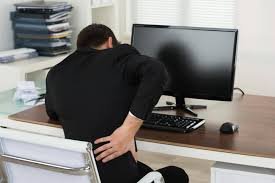
Workplace-related orthopaedic conditions can affect people in many roles, from office workers and drivers to healthcare staff, cleaners, technicians, warehouse workers, food service staff, and manual labourers. These conditions often involve the muscles, joints, tendons, ligaments, nerves, and spine.
Some problems develop suddenly after lifting, slipping, or twisting. Others build up gradually from repeated movements, prolonged sitting, awkward posture, forceful gripping, or working in the same position for long periods.
Not every ache is serious. However, pain that persists, worsens, affects work, or limits daily activities should be assessed. Early review may help identify the cause and guide suitable treatment.
What Are Workplace-Related Orthopaedic Conditions?
Workplace-related orthopaedic conditions are musculoskeletal problems that may be linked to work tasks, posture, equipment use, workload, or work environment.
They may affect areas such as the:
- Neck
- Shoulders
- Elbows
- Wrists and hands
- Upper back
- Lower back
- Hips
- Knees
- Ankles and feet
These conditions may occur in office settings, industrial environments, healthcare facilities, retail spaces, construction sites, kitchens, logistics roles, and transport-related work.
Common contributing factors include:
- Repetitive hand or arm movements
- Heavy lifting, pushing, or pulling
- Sudden overload
- Awkward bending or twisting
- Prolonged sitting or standing
- Reaching overhead
- Poor workstation setup
- Limited rest breaks
- Inadequate task rotation
- Poor lifting technique
- Work tools that require forceful gripping
Symptoms may be mild at first, but they can become disruptive if the underlying strain continues.
Common Workplace-Related Orthopaedic Conditions
1. Lower Back Pain
Lower back pain is one of the common musculoskeletal complaints linked to work. It may affect office workers who sit for long hours, workers who lift or carry loads, drivers who remain seated for extended periods, and employees who twist or bend repeatedly.
Possible contributing factors include:
- Lifting heavy objects
- Carrying loads over long distances
- Twisting while lifting
- Poor sitting posture
- Lack of movement during the workday
- Prolonged standing
- Sudden strain during manual tasks
Lower back pain may feel like aching, stiffness, sharp pain, or pain that spreads into the buttock or leg. Medical review is advisable if pain travels down the leg, causes numbness, affects bladder or bowel control, or follows a fall or accident.
2. Neck and Shoulder Pain
Neck and shoulder pain may occur in people who spend long hours using a computer, phone, tablet, or handheld device. It may also affect workers who reach overhead, carry loads, or perform repetitive shoulder movements.
Possible contributing factors include:
- Forward head posture
- Monitor placed too low or too far away
- Holding a phone between the ear and shoulder
- Prolonged data entry
- Reaching above shoulder level
- Carrying bags on one side
- Repetitive lifting or pulling
Symptoms may include stiffness, aching, headaches, shoulder tightness, or pain that spreads down the arm. Numbness, weakness, or persistent radiating pain should be assessed.
3. Carpal Tunnel Syndrome
Carpal tunnel syndrome occurs when the median nerve is compressed at the wrist. It may be associated with repetitive hand activity, prolonged wrist bending, forceful gripping, or tool use.
Symptoms may include:
- Numbness or tingling in the thumb, index, middle, or ring finger
- Hand weakness
- Dropping objects
- Symptoms that worsen at night
- Pain that travels from the wrist into the hand or forearm
Work tasks that involve repetitive typing, assembly, polishing, gripping tools, or vibration exposure may contribute to symptoms in some people.
4. Wrist and Thumb Tendon Pain
Tendon irritation around the wrist or thumb may occur with repetitive gripping, twisting, lifting, or smartphone use. One example is pain near the thumb side of the wrist, which may worsen when gripping, lifting a child, turning a key, or moving the thumb.
Possible contributing factors include:
- Forceful gripping
- Repeated wrist twisting
- Prolonged mouse or keyboard use
- Manual tool use
- Lifting with the wrist bent
- Repetitive phone handling
Treatment may include activity modification, splinting, medication, physiotherapy, injections, or further assessment if symptoms persist.
5. Elbow Tendon Pain
Elbow tendon pain may occur in workers who grip, twist, cut, lift, hammer, or use tools repeatedly. It may affect the outer or inner side of the elbow.
Symptoms may include:
- Pain when gripping
- Pain when lifting objects
- Tenderness around the elbow
- Weakness during hand or wrist movement
- Pain during tool use or typing
This condition is sometimes linked with sports, but it can also occur with work tasks that repeatedly load the wrist and forearm muscles.
6. Knee Pain from Work Activities
Knee pain may be linked to work that involves squatting, kneeling, climbing stairs, carrying loads, standing for long periods, or walking on hard surfaces.
Possible causes include:
- Patellofemoral pain
- Tendon irritation
- Meniscus injury
- Knee arthritis
- Ligament strain
- Bursitis from prolonged kneeling
Workers who kneel frequently may benefit from knee protection and task variation. Those with swelling, locking, giving way, or pain after injury should seek assessment.
7. Foot and Ankle Pain
Foot and ankle pain may affect workers who stand, walk, climb, or carry loads for long periods. It may also affect those who wear footwear that does not suit their work demands.
Possible conditions include:
- Plantar fasciitis
- Achilles tendon pain
- Ankle sprain
- Stress injury
- Flat foot-related pain
- Forefoot pain
- Arthritis
Supportive footwear, rest periods, task rotation, and medical assessment may be needed when symptoms persist.
8. Work-Related Sports and Activity Injuries
Some employees take part in workplace sports, fitness programmes, or physically demanding team activities. Injuries may include ankle sprains, knee ligament injuries, shoulder dislocations, and muscle strains.
A sports-related injury should be assessed if there is swelling, instability, inability to bear weight, loss of movement, or ongoing pain after rest.
How Workstation Setup May Affect Musculoskeletal Pain
Office workers may experience pain when the desk, chair, monitor, keyboard, and mouse are not positioned to support comfortable posture.
A workstation setup may need review if a person often experiences:
- Neck strain after computer use
- Shoulder tightness by the end of the day
- Wrist discomfort during typing
- Back stiffness after sitting
- Eye strain that causes awkward head posture
- Numbness or tingling in the hands
Practical workstation considerations include:
- Keeping the monitor directly in front of the body
- Placing the screen at a comfortable viewing height
- Keeping the keyboard and mouse close
- Supporting the lower back while seated
- Keeping feet supported
- Avoiding storage under the desk that restricts leg position
- Taking short movement breaks during prolonged sitting
Small changes may help reduce strain, but persistent symptoms should not be ignored.
Practical Tips to Reduce Workplace Strain
The right approach depends on the person’s role, work tasks, symptoms, and environment. General measures may include:
1. Adjust the Workstation
For desk-based work, consider whether the chair, monitor, keyboard, mouse, and desk height support a comfortable position.
Helpful adjustments may include:
- Sitting with feet supported
- Keeping shoulders relaxed
- Keeping elbows close to the body
- Keeping wrists in a neutral position
- Placing the monitor directly in front
- Avoiding prolonged leaning or twisting
- Using a headset for frequent phone calls
2. Vary Posture During the Day
Holding one position for a long period can contribute to discomfort. Where possible, vary posture during the day.
This may include:
- Standing briefly after prolonged sitting
- Walking during short breaks
- Alternating between seated and standing tasks
- Changing hand positions during repetitive work
- Avoiding sustained overhead reaching
Movement breaks do not need to be long. Short, regular changes in posture may help reduce static loading.
3. Use Safe Lifting Habits
Manual handling can place strain on the back, shoulders, knees, and wrists. When lifting is required, workers should follow workplace training and use available equipment.
General principles include:
- Plan the lift before starting
- Keep the load close to the body
- Avoid twisting while lifting
- Bend at the hips and knees where suitable
- Ask for help with heavy or awkward loads
- Use trolleys, hoists, or mechanical aids when available
- Avoid rushing during manual handling tasks
Workers should not attempt loads that exceed their capacity or training.
4. Reduce Repetitive Strain
Repetitive tasks can contribute to tendon, nerve, and soft tissue irritation.
Risk-reduction measures may include:
- Rotating tasks where possible
- Taking short breaks from repetitive movements
- Using tools that fit the hand comfortably
- Avoiding forceful gripping when not needed
- Keeping frequently used items within easy reach
- Using both hands for suitable tasks
- Reporting early discomfort before symptoms worsen
Employers may also review task design, equipment, workflow, and training.
5. Wear Suitable Footwear
For workers who stand or walk for long periods, footwear can affect comfort and loading on the feet, ankles, knees, hips, and back.
Suitable footwear may include:
- Adequate cushioning
- Stable heel support
- Slip-resistant soles where needed
- Enough room for the toes
- Work-appropriate safety features
- Orthotic support if recommended
Persistent heel pain, ankle pain, or forefoot pain should be assessed.
6. Build Strength and Mobility Outside Work
General physical conditioning may support work tolerance. This can include strengthening, mobility exercises, balance work, and cardiovascular activity, depending on the person’s health and fitness level.
Workers with pain should seek advice before starting exercises, especially if symptoms are severe, persistent, or linked to injury.
When Should You See an Orthopaedic Doctor?
A medical assessment in an orthopaedic centre may be advisable if workplace-related pain:
- Persists beyond a few days of rest
- Worsens over time
- Affects walking, lifting, typing, or sleep
- Causes swelling, numbness, tingling, or weakness
- Follows a fall, twist, or lifting injury
- Causes joint locking or giving way
- Spreads down the arm or leg
- Interferes with work duties
- Keeps returning despite adjustments
An orthopaedic assessment may include a history review, physical examination, imaging if needed, and discussion of treatment options.
Treatment Options for Workplace-Related Orthopaedic Conditions
Treatment depends on the diagnosis, severity, and patient’s work demands. Options may include:
- Activity modification
- Medication
- Physiotherapy
- Splints or braces
- Workplace ergonomic review
- Injections, where suitable
- Imaging tests
- Medical leave or modified duties
- Surgery, if clinically indicated
Many workplace-related orthopaedic conditions can be managed without surgery. Surgery may be considered if there is structural damage, nerve compression, persistent symptoms, or loss of function despite suitable non-surgical treatment.
Workplace-related orthopaedic conditions can affect the back, neck, shoulders, elbows, wrists, hands, knees, ankles, and feet. They may be linked to repetitive tasks, heavy lifting, awkward posture, prolonged sitting or standing, tool use, or sudden injury.
Practical steps such as workstation adjustment, task variation, safe lifting habits, movement breaks, suitable footwear, and early symptom reporting may help reduce strain. However, persistent pain, numbness, swelling, weakness, or reduced movement should be assessed by a healthcare professional.
This article is for general information only and should not replace medical advice from a qualified healthcare professional.