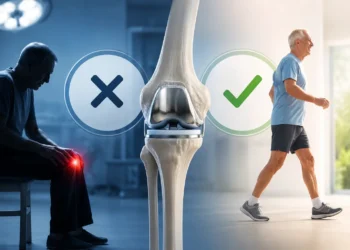


Knee pain can make everyday movements difficult. Walking, climbing stairs, squatting, exercising or standing for long periods may become uncomfortable. Some knee pain improves with rest and simple care. However, pain that persists, worsens or affects daily life may need medical assessment.
A knee specialist can assess problems involving the bones, cartilage, ligaments, tendons, muscles and other structures around the knee. In Singapore, patients may seek medical advice for knee pain after a fall, sports injury, ageing-related joint changes or long-term discomfort that does not improve.
What Does a Knee Specialist Do?
A knee specialist is usually an orthopaedic doctor or orthopaedic surgeon who assesses and manages knee conditions. These may include injuries, joint degeneration, alignment problems and movement-related pain.
A knee specialist may assess conditions such as:
- Knee osteoarthritis
- Meniscus tears
- ACL injuries
- Other ligament injuries
- Cartilage injuries
- Kneecap pain
- Knee instability
- Tendon injuries
- Fractures around the knee
- Sports-related knee injuries
- Pain after previous knee surgery
- Swelling, stiffness or locking of the knee
Treatment does not always mean surgery. Many knee conditions can be managed with non-surgical care such as activity changes, medication, physiotherapy, braces, injections or weight management advice, depending on the diagnosis.
When Should You Book an Appointment for Knee Pain?
Not every knee ache needs specialist review right away. Mild pain after exercise or a minor strain may improve with rest, ice and reduced activity. However, some symptoms suggest that the knee should be assessed.
Pain That Does Not Improve After a Few Days
If knee pain does not settle after several days of rest or simple self-care, it may be time to book an appointment. Persistent pain may be linked to inflammation, cartilage injury, arthritis, tendon irritation or an underlying joint problem.
You should also seek review if the pain keeps returning whenever you resume walking, climbing stairs, running or sport.
Swelling Around the Knee
Swelling can occur after injury, overuse or joint inflammation. Mild swelling may improve with rest, but significant or repeated swelling should be assessed.
Swelling may be linked to:
- Meniscus injury
- Ligament injury
- Arthritis flare
- Cartilage irritation
- Infection in rare cases
- Bleeding inside the joint after trauma
Rapid swelling after a twisting injury may suggest a more significant internal knee injury and should not be ignored.
Knee Instability or Giving Way
A knee that feels unstable, wobbly or as if it may give way may indicate a ligament injury, meniscus injury, muscle weakness or joint degeneration.
Instability is especially important if it occurs during:
- Walking
- Turning
- Going down stairs
- Running
- Jumping
- Returning to sport
Repeated giving way may increase the risk of falls or further knee injury.
Knee Locking, Catching or Clicking with Pain
Some clicking can occur without a serious problem. However, clicking that comes with pain, swelling, catching or locking may suggest a meniscus tear or cartilage issue.
Book an appointment if:
- The knee gets stuck
- You cannot fully bend or straighten it
- Pain occurs during twisting or squatting
- The knee catches during movement
- Symptoms keep returning with activity
A locked knee should be assessed promptly, especially if movement is suddenly limited.
Pain After a Sports Injury
Sports such as football, basketball, badminton, netball, tennis and running can place stress on the knee. Injuries may happen during sudden stops, pivoting, jumping, landing or collisions.
Medical review is recommended if a sports injury causes:
- A pop at the time of injury
- Sudden pain
- Swelling within hours
- Difficulty walking
- Knee instability
- Pain when turning
- Reduced movement
- Inability to continue playing
An early assessment can help identify whether the ACL, meniscus, cartilage or other knee structures are involved.
Pain That Affects Stairs, Squatting or Daily Activities
Knee pain that affects daily tasks should not be dismissed. Pain when climbing stairs, squatting, kneeling, standing up from a chair or walking longer distances may be linked to arthritis, kneecap pain, tendon irritation or cartilage problems.
If pain is starting to limit your routine, a review can help guide treatment before symptoms become harder to manage.
Knee Pain in Older Adults
Knee pain becomes more common with age, especially when joint wear-and-tear is present. Osteoarthritis may cause pain, stiffness, swelling and reduced mobility.
Older adults should consider medical review if knee pain causes:
- Morning stiffness
- Pain after walking
- Difficulty with stairs
- Swelling
- Bowing or change in leg alignment
- Reduced walking distance
- Need for frequent pain medication
- Sleep disruption
Early care may include exercise guidance, weight management advice, medication, physiotherapy or other treatment options.
When Is Knee Pain Urgent?
Some knee symptoms require urgent care rather than waiting for a routine appointment.
Seek urgent medical attention if you have:
- Severe pain after a fall or injury
- Obvious deformity of the knee or leg
- Inability to bear weight
- Marked swelling
- Fever with redness, warmth and swelling
- A deep wound around the knee
- Numbness or weakness
- Cold or pale skin below the injury
- Sudden calf swelling or shortness of breath
- A suspected fracture or dislocation
Do not continue walking, exercising or playing sport if pain is severe or the knee feels unstable.
Where Can Patients Seek Knee Assessment in Singapore?
Patients with knee pain may start with a GP, physiotherapist, urgent care clinic or orthopaedic clinic, depending on the severity and cause. A knee specialist assessment may be useful if symptoms persist, affect daily movement or suggest an internal knee injury.
Patients may consult an orthopaedic surgeon at HC Orthopaedic Surgery for knee pain assessment when symptoms such as swelling, instability, locking, persistent pain or injury-related discomfort affect daily activities. The purpose of the assessment is to identify the likely cause and discuss suitable treatment options, which may include non-surgical care or surgery in selected cases.
How Is Knee Pain Assessed?
A knee consultation usually begins with a discussion of your symptoms and medical history. The doctor may ask when the pain started, where it hurts and what activities make it worse.
You may be asked:
- Did the pain start suddenly or gradually?
- Was there a fall, twist or sports injury?
- Is there swelling?
- Does the knee click, catch, lock or give way?
- Can you fully bend and straighten the knee?
- Does pain affect walking, stairs or sleep?
- Have you had previous knee injuries or surgery?
- What treatments have you tried?
The examination may include checking:
- Knee movement
- Swelling
- Tenderness
- Ligament stability
- Meniscus signs
- Kneecap movement
- Leg alignment
- Walking pattern
- Strength and flexibility
What Tests May Be Recommended?
Not every patient needs imaging. Tests are usually recommended based on symptoms and physical examination findings.
Common tests include:
X-rays
X-rays may be used to check for fractures, arthritis, bone alignment or joint space narrowing. They are often useful when pain follows trauma or when arthritis is suspected.
MRI Scans
MRI scans show soft tissues such as the meniscus, ligaments, cartilage and tendons. They may be recommended if the doctor suspects an ACL tear, meniscus tear, cartilage injury or other internal knee problem.
Ultrasound
Ultrasound may be used for selected tendon or soft tissue problems around the knee.
Blood Tests
Blood tests may be recommended if the doctor suspects infection, gout, inflammatory arthritis or another medical condition.
What Treatment Options Might Be Discussed?
Treatment depends on the diagnosis, symptom severity, activity level, medical history and patient goals.
Non-Surgical Treatment
Many knee conditions can start with non-surgical care. Options may include:
- Rest and activity modification
- Pain relief medication, if suitable
- Anti-inflammatory medication, if appropriate
- Physiotherapy
- Strengthening exercises
- Weight management advice, where relevant
- Knee braces or supports
- Injections in selected cases
- Gradual return-to-sport planning
Physiotherapy may focus on thigh, hip and core strength, balance, flexibility and movement control.
Surgical Treatment
Surgery may be considered for selected conditions, especially if symptoms are severe, the knee is unstable or non-surgical care has not helped enough.
Examples may include:
- ACL reconstruction
- Meniscus repair or trimming
- Cartilage procedures
- Fracture fixation
- Knee arthroscopy in selected cases
- Partial or total knee replacement for advanced arthritis
The doctor should explain the expected benefits, risks, recovery time and alternatives before any surgical decision is made.
How Should You Prepare for a Knee Specialist Appointment?
Preparation can help make the consultation more useful.
Bring or prepare:
- A timeline of symptoms
- Details of any injury
- Previous X-rays, MRI scans or reports
- A list of medications and supplements
- Previous surgery or injury history
- Information about sports or work activities
- Questions about diagnosis, treatment and recovery
- Insurance details, if relevant
Wear clothing that allows the knee to be examined, such as shorts or loose trousers.
What Questions Should You Ask?
Patients should feel comfortable asking questions during the appointment.
Useful questions include:
- What is the likely cause of my knee pain?
- Do I need scans or tests?
- Can I try non-surgical treatment first?
- What activities should I avoid for now?
- Is physiotherapy recommended?
- When can I return to sport or exercise?
- What symptoms should prompt urgent care?
- What are the risks if treatment is delayed?
- What are the estimated costs if further treatment is needed?
Clear answers can help patients make informed decisions and understand the next steps.
Knee pain can come from many causes, including arthritis, meniscus tears, ligament injuries, tendon irritation, kneecap problems, fractures or sports injuries. While mild pain may improve with rest, persistent or worsening symptoms should be assessed.
A knee specialist in Singapore can help identify the cause of pain, recommend tests where needed and discuss treatment options. Early review may be especially helpful when knee pain affects walking, stairs, squatting, sport or daily life.
This article is for general information only and should not replace medical advice from a qualified healthcare professional.