
Peripheral neuropathy affects millions of people, causing symptoms such as numbness, tingling, burning sensations, weakness, and chronic pain. Traditional treatment approaches generally focus on symptom management and helping patients cope with discomfort rather than trying to actually fix the underlying nerve damage. Regenerative neuropathy, on the other hand, works to support the body’s natural ability to repair and restore damaged nerve tissue.
Understanding How Nerve Damage Occurs
Nerves can become damaged for many reasons, including:
When nerves are damaged, communication between the brain and the rest of the body can become disrupted, leading to altered sensation, reduced mobility, balance issues, and persistent pain. The severity of symptoms often depends on the extent of the damage and how long the condition has been present. Over time, untreated nerve dysfunction can affect daily activities and quality of life.
The Body’s Natural Healing Response
The human body is designed to heal itself, so when tissues are injured, a complex healing process begins. Unfortunately, though, chronic inflammation, poor circulation, aging, and underlying health conditions can interfere with this process. In neuropathy, the body’s natural repair systems may not function efficiently enough to restore healthy nerve function on their own, which is where regenerative therapies come in.
How Regenerative Therapy Works
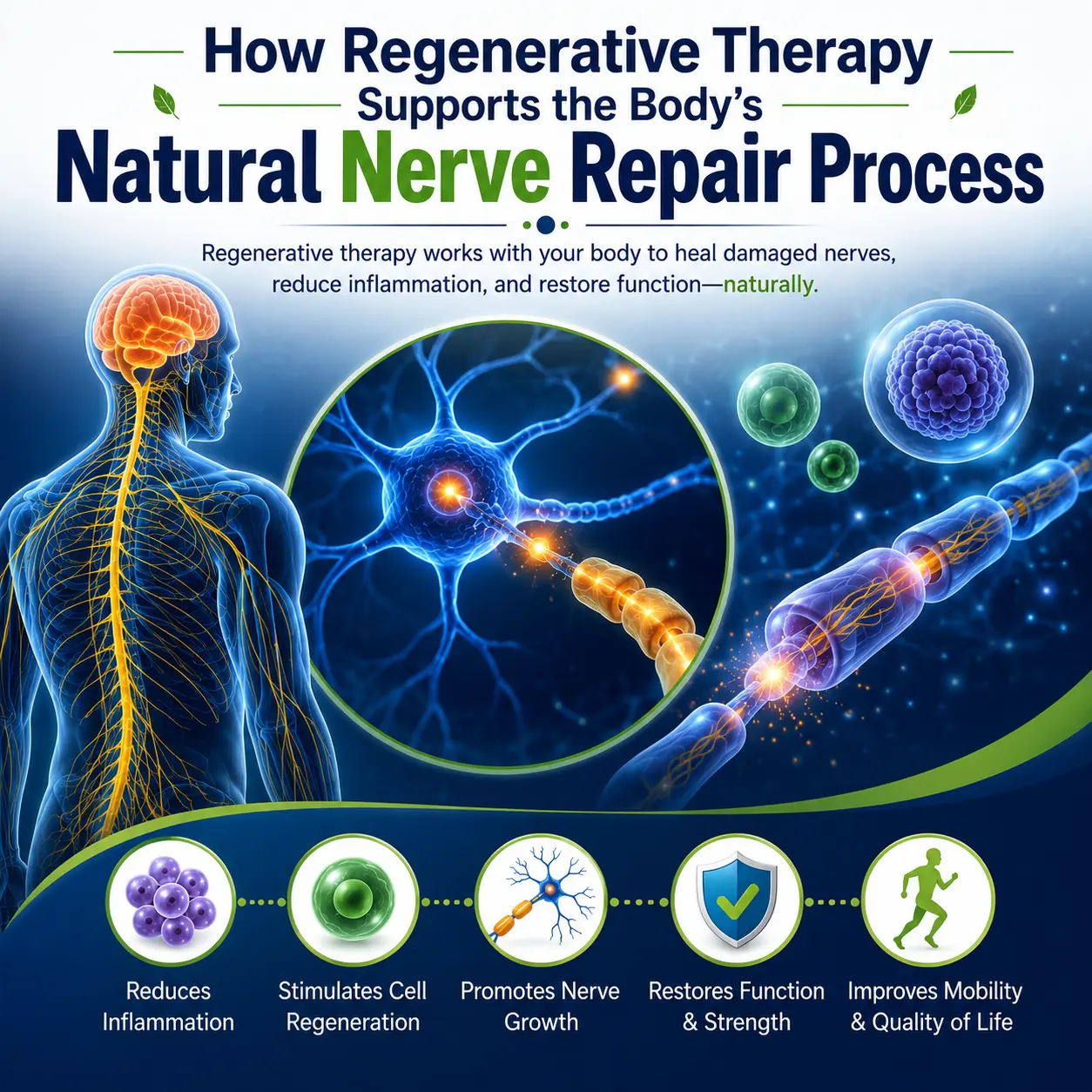
Rather than just masking symptoms, regenerative therapies focus on creating an environment within the body that encourages healing. These treatments are meant to support tissue repair, improve blood flow, reduce inflammation, and promote healthier nerve function.
By targeting the underlying factors contributing to neuropathy, regenerative approaches strive to help the body activate its own healing capabilities. The goal is to encourage repair at the source of the problem rather than relying solely on medications or treatments that only reduce comfort temporarily. Regenerative medicine aligns with a growing interest in practices that work with the body’s natural biological processes instead of merely managing symptoms.
Supporting Nerve Function Through Improved Circulation
Healthy nerves require a steady supply of oxygen and nutrients, so poor blood flow can contribute to ongoing nerve dysfunction and limit the body’s ability to repair damaged nerve tissue. Because of this, many regenerative treatment strategies emphasize enhancing circulation within affected areas. Improving blood flow helps deliver essential nutrients while removing waste that can drive inflammation and discomfort. When nerves are better supported by surrounding tissues and blood vessels, they may function more efficiently and recover more effectively.
Addressing Inflammation and Cellular Stress
Chronic inflammation is often a significant factor in the progression of neuropathy because it places stress on nerve cells and interferes with normal communication pathways. Regenerative therapies frequently endeavor to reduce inflammation and support healthier cellular function. By addressing these underlying issues, treatments may help create conditions that are more favorable for healing and recovery. Reducing cellular stress can also support overall nerve health and potentially improve long-term outcomes.
A Long-Term Perspective on Neuropathy Care
Nerve repair isn’t an overnight process. Because nerves heal gradually, successful treatment requires patience and a long-term strategy. Regenerative therapy focuses on supporting the body’s natural healing process over time rather than providing a short-term solution, so for individuals looking for an approach that addresses the underlying causes of nerve damage, regenerative therapy offers a promising option for improving both nerve health and quality of life.