

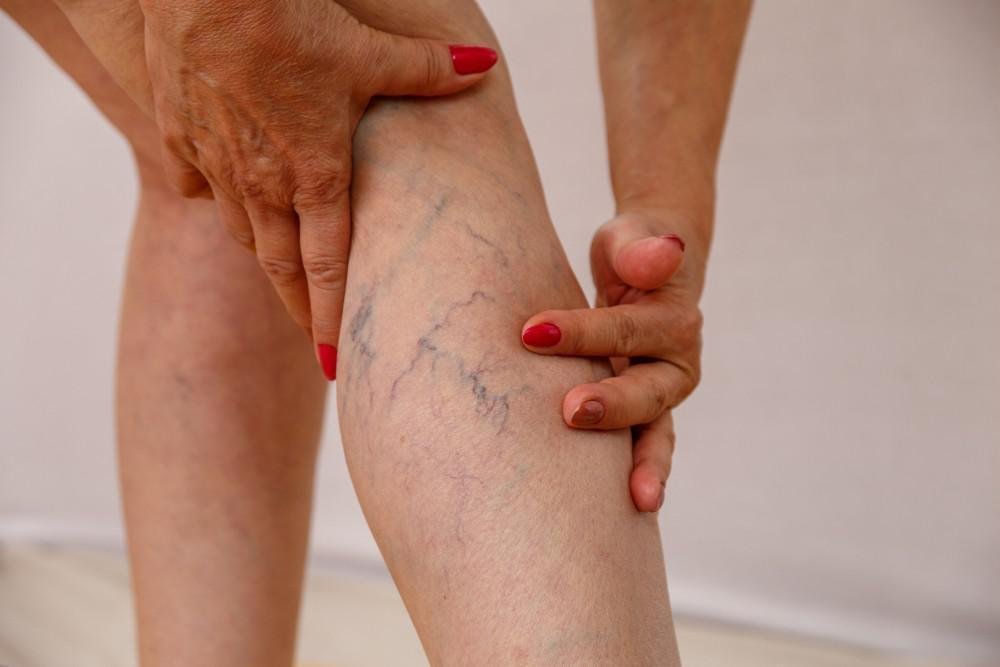
Vein disease is also called venous deficiency. It happens when blood pools in the veins of your legs and isn’t pumped back to the heart. Veins transport deoxygenated blood back to your heart so it can be oxygenated.
The valves within those veins prevent blood from flowing backward. When these valves are damaged or don’t work properly, your blood doesn’t travel back to your heart and stays in the lower extremities. This is when vein disease happens. The effect can be mild or severe. It is not life-threatening, but it can progress over time and lead to serious complications.
In today’s article, we’ll be talking about different conditions of the vein, so you instantly know when something feels wrong.
Skin Changes
Skin changes are one of the most common vein disease symptoms. You’ll feel the changes when your skin stretches or thins out due to edema. Edema is a condition in which your feet or ankles swell due to excess fluid trapped in your body tissues.
During these changes, even touching or rubbing your skin may create bruises. Over time, your skin may start to harden and develop a leathery appearance. But if the fluid is leaking around the damaged vein, you may even see reddish or brownish colors in your skin.
In more serious cases, scar-like, shiny patches can form (usually surrounded by tiny dilated capillaries).
Deep Vein Thrombosis
This condition happens when a clot forms in a vein. It could be serious because the clot can break free and travel to other parts of the body, including the lungs or the stomach. It can also create life-threatening pulmonary embolism in certain cases.
The condition usually affects only one knee, leg, or arm, and you may notice swelling in the affected limb. You may also start to feel cramping, pain, and tenderness in your calf.
You should immediately consult a doctor if you feel sudden shortness of breath or chest pain (that gets worse during breathing).
Cramping Legs at Night
Restless legs syndrome (RLS) is a condition in which people feel a constant urge to move their legs. It is often accompanied by strange itching. Researchers are still determining the exact cause, but the sensation clearly indicates that something is wrong with your veins.
At night, the blood flow is slower. As the normal flow of blood throughout the legs is affected, the nerves also become irritated (leading to restless legs).
Several case studies have shown that treating venous disease significantly alleviates RLS symptoms.
The Disease Can Also Affect Unusual Areas
Venous symptoms usually occur in the legs. But other areas (like the arms and chest) can also be affected by this condition. Similarly, certain abdominal symptoms may be linked to venous issues. Unexplained abdominal pain or bloating can sometimes result from changes in venous function.
The vein conditions can even appear around your eyes. Small spider veins on your face are usually a sign of venous pressure, which must be addressed immediately.
If you stay vigilant and aware of early symptoms, you’ll recognize problems early and address them before they become serious.