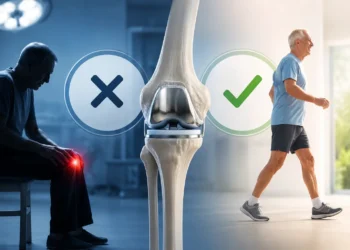

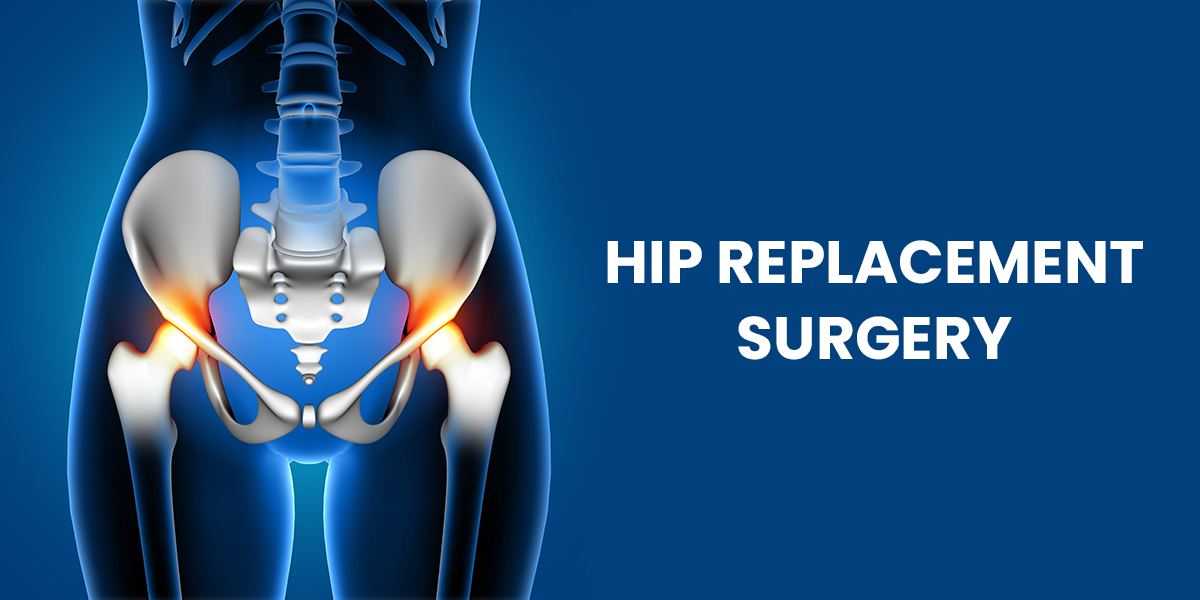
Hip pain and reduced mobility may affect an individual’s ability to perform everyday activities comfortably. For some people, symptoms may gradually worsen over time and begin interfering with walking, work, exercise, and sleep. When non-surgical management no longer provides sufficient relief, some patients may explore hip replacement surgery as part of their treatment plan.
Understanding the common reasons patients seek treatment for hip conditions may help individuals recognise symptoms early and seek appropriate medical assessment when needed.
Understanding Hip Replacement Surgery
Hip replacement surgery is a procedure that involves replacing damaged portions of the hip joint with artificial components. The hip is a ball-and-socket joint that supports body movement and stability during activities such as walking, standing, and climbing stairs.
The procedure may be considered for individuals experiencing ongoing pain, stiffness, or reduced mobility caused by joint damage or degeneration.
Hip replacement surgery is commonly associated with conditions that affect the cartilage and structure of the hip joint, particularly when symptoms begin affecting daily quality of life.
Common Symptoms That May Lead Patients to Seek Treatment
Symptoms involving the hip joint may develop gradually or occur following injury. While mild discomfort may initially come and go, some individuals may eventually experience persistent symptoms that interfere with normal movement.
Common symptoms may include:
- Hip or groin pain
- Joint stiffness
- Reduced range of motion
- Difficulty walking or climbing stairs
- Pain during prolonged standing
- Discomfort while resting or sleeping
- Clicking or grinding sensations within the hip joint
Some patients may also notice limping or difficulty carrying out activities such as getting into a car, putting on footwear, or bending down.
Persistent symptoms that continue despite rest or conservative treatment may prompt individuals to seek medical assessment.
Osteoarthritis as a Common Reason for Hip Replacement
Osteoarthritis is among the more common reasons individuals may consider hip replacement surgery. This condition involves gradual wear and degeneration of the cartilage that cushions the hip joint.
As cartilage becomes thinner, the bones within the joint may rub against each other, leading to pain, stiffness, and inflammation.
Osteoarthritis may affect daily activities in several ways, including:
- Difficulty walking longer distances
- Reduced flexibility
- Discomfort during movement
- Stiffness after periods of inactivity
The condition is more commonly associated with ageing, although previous injuries and excess body weight may also contribute to joint degeneration over time.
Other Conditions That May Affect the Hip Joint
While osteoarthritis is common, several other medical conditions may also affect the hip joint and contribute to the need for treatment.
Rheumatoid Arthritis
Rheumatoid arthritis is an inflammatory condition that may affect multiple joints in the body, including the hips. Inflammation within the joint lining may gradually damage cartilage and surrounding structures.
Patients with rheumatoid arthritis may experience joint swelling, stiffness, fatigue, and reduced movement.
Hip Fractures and Injuries
Hip fractures and serious injuries may damage the structure and stability of the hip joint. In some cases, individuals may continue experiencing pain or mobility problems after healing.
Older adults may be more vulnerable to hip fractures due to reduced bone density and increased fall risk.
Avascular Necrosis
Avascular necrosis occurs when blood supply to part of the hip joint becomes reduced. Without adequate blood flow, bone tissue may gradually deteriorate, affecting joint function and movement.
This condition may contribute to hip pain and structural damage over time.
How Hip Problems May Affect Daily Living
Hip conditions may affect many aspects of daily life, particularly when pain and stiffness become more severe.
- Walking and Mobility Challenges
- Individuals with hip joint problems may find walking uncomfortable, especially over longer distances. Climbing stairs or standing for extended periods may also become more difficult.
- Sitting and Standing
- Moving from sitting to standing may place stress on the hip joint, particularly after prolonged inactivity. Some people may notice increased stiffness in the morning or after resting.
- Work and Recreational Activities
- Certain occupations involving lifting, prolonged standing, or repetitive movement may become harder to manage. Recreational activities such as sports, hiking, or exercise may also become limited.
- Sleep Disturbances
- Hip discomfort may interfere with sleep quality, particularly when lying on the affected side. Interrupted sleep may affect overall wellbeing and daily comfort.
When Patients May Consider Medical Assessment
Patients experiencing persistent hip pain or mobility difficulties may benefit from medical evaluation, particularly if symptoms begin affecting everyday activities.
Medical assessment may be considered when individuals experience:
- Ongoing pain lasting several weeks
- Difficulty walking or climbing stairs
- Reduced hip movement
- Symptoms affecting sleep or work
- Limited improvement with non-surgical measures
Early assessment may help identify the cause of symptoms and guide appropriate treatment planning.
How Hip Conditions Are Commonly Diagnosed
Diagnosis usually begins with a consultation and physical examination. A doctor may assess joint movement, walking patterns, pain location, and overall mobility.
Imaging tests such as X-rays may help identify cartilage wear, joint narrowing, or structural changes. MRI scans may sometimes be used to assess surrounding soft tissues and joint structures.
The assessment process may also include reviewing medical history, activity levels, and previous injuries.
Non-Surgical Management Before Considering Surgery
In many cases, non-surgical treatment may be explored before surgery is considered.
Physiotherapy and Exercise
Physiotherapy programmes may focus on improving strength, flexibility, and joint movement. Low-impact exercises may also support mobility while reducing strain on the hip.
Physiotherapy and Exercise
Weight management and activity adjustments may help reduce stress on the hip joint. Some individuals may also modify daily activities to minimise discomfort.
Physiotherapy and Exercise
Doctors may recommend medications, walking aids, or supportive measures to help manage symptoms and improve mobility.
What Hip Replacement Surgery May Involve
Hip replacement surgery generally involves removing damaged portions of the hip joint and replacing them with artificial components designed to support movement.
The procedure may be discussed for individuals experiencing significant pain, reduced mobility, or joint damage that affects daily living.
Recovery timelines may vary depending on the individual’s health, activity level, and rehabilitation progress.
Recovery and Rehabilitation After Hip Replacement
Rehabilitation is commonly an important part of recovery following hip replacement surgery.
Physiotherapy may help patients regain movement, strengthen surrounding muscles, and gradually return to daily activities. Walking and mobility exercises are often introduced progressively during recovery.
Follow-up appointments may also be scheduled to monitor healing and recovery progress.
Hip joint problems may gradually affect comfort, mobility, and participation in everyday activities. Conditions such as osteoarthritis, rheumatoid arthritis, injuries, and avascular necrosis may contribute to ongoing pain and reduced movement.
When symptoms begin affecting quality of life despite non-surgical management, some patients may explore hip replacement surgery as part of their treatment journey.
Individuals experiencing persistent hip discomfort or mobility concerns may benefit from seeking assessment from a qualified orthopaedic doctor to better understand their condition and available treatment options.