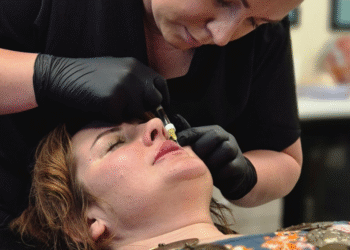

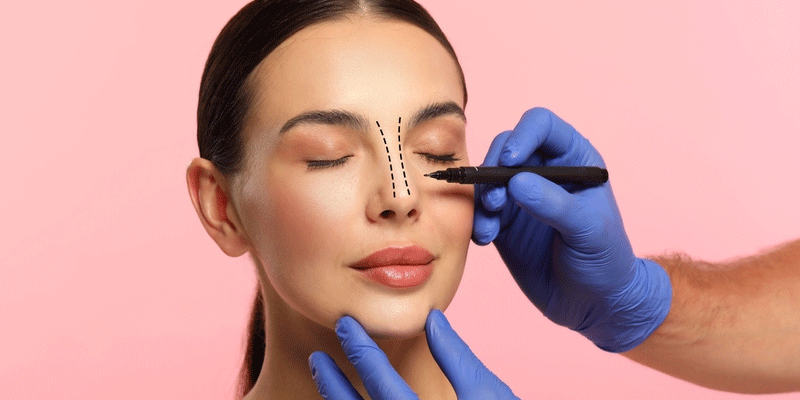
Rhinoplasty, sometimes called nose surgery, is a procedure that changes the structure or appearance of the nose. Some patients consider it for appearance-related reasons, while others seek assessment because of breathing concerns, injury-related changes, previous nasal surgery, or a combination of cosmetic and functional concerns.
Before deciding on rhinoplasty, patients often have questions about suitability, results, recovery, risks, scarring, breathing, revision surgery and costs. These questions are important because rhinoplasty should be planned around each patient’s anatomy, medical history, nasal function and expectations.
1. What Is Rhinoplasty?
Rhinoplasty is a surgical procedure that changes the nose by adjusting bone, cartilage, skin or soft tissue. The procedure may focus on the bridge, tip, nostrils, nasal width, nasal height, asymmetry or overall nose shape.
Rhinoplasty may be considered for:
- Nose shape concerns
- Nasal bridge concerns
- Nasal tip shape or position
- Wide or uneven nostrils
- Nasal asymmetry
- Injury-related changes
- Previous surgery concerns
- Breathing-related structural issues
- Congenital nasal differences
The procedure may be cosmetic, functional or a combination of both. A consultation helps determine what the concern is and whether surgery is suitable.
2. Is Rhinoplasty Only for Cosmetic Concerns?
No. Rhinoplasty may be performed for appearance-related concerns, functional concerns or both.
Cosmetic rhinoplasty focuses on changing the appearance of the nose. Functional rhinoplasty may involve structural changes to support nasal airflow or address problems caused by injury, congenital differences or previous surgery.
Some patients may need septoplasty, which is a procedure that addresses the nasal septum. The septum is the wall inside the nose that separates the nostrils. When nasal appearance and nasal function are both involved, the plastic surgeon may discuss whether septoplasty and rhinoplasty should be planned together.
Patients should explain both appearance concerns and breathing symptoms during consultation.
3. How Do I Know If Rhinoplasty Is Suitable for Me?
Suitability depends on medical, anatomical and psychological factors. The doctor will assess the nose, facial proportions, nasal skin, cartilage strength, nasal airflow, previous surgery history, general health and patient expectations.
Rhinoplasty may be considered if:
- The nose has fully developed
- The patient is in suitable general health
- The patient understands the risks and limitations
- Expectations are realistic
- The concern is specific and clear
- There is enough time for recovery
- Any medical conditions are reviewed before surgery
- The patient is making the decision without pressure from others
Rhinoplasty may need to be delayed or reconsidered if there is active infection, uncontrolled medical illness, unrealistic expectations, recent nasal injury that has not stabilised or insufficient recovery time.
4. What Can Rhinoplasty Change?
Rhinoplasty may change selected features of the nose, depending on anatomy and surgical planning.
Patients may ask about changes to:
- Nasal bridge height or contour
- Nasal hump
- Nasal tip shape
- Nasal tip projection
- Nasal width
- Nostril shape
- Nose asymmetry
- Nose length
- Nasal angle
- Injury-related deformity
- Structural support affecting airflow
The doctor should explain what can be changed, what cannot be changed and what limitations apply. The same procedure can produce different outcomes in different patients because skin thickness, cartilage strength, bone structure and healing vary.
5. Will Rhinoplasty Change My Whole Face?
The nose is central to facial appearance, so changes to the nose may affect overall facial balance. However, rhinoplasty should be planned carefully so that the nose is considered in relation to the rest of the face.
Patients should discuss:
- Facial proportions
- Side profile
- Front view
- Chin and jaw relationship
- Nose length and width
- Skin thickness
- Whether the requested change is realistic
- Whether a subtle or more noticeable change is being considered
A consultation should help patients understand how nasal changes may affect the face as a whole.
6. What Is the Difference Between Open and Closed Rhinoplasty?
Open rhinoplasty and closed rhinoplasty refer to surgical approaches.
In open rhinoplasty, a small incision is usually made across the columella, the tissue between the nostrils, along with internal incisions. This allows direct access to nasal structures.
In closed rhinoplasty, incisions are made inside the nostrils. This avoids an external columellar incision, but it may not be suitable for every case.
The approach depends on the concern, nasal anatomy, revision history, complexity of changes needed and surgeon assessment. Patients should ask why a specific approach is recommended for their case.
7. Will There Be Visible Scars?
Scarring depends on the surgical approach. Closed rhinoplasty involves incisions inside the nostrils, so external scars are not usually visible. Open rhinoplasty involves a small external incision across the columella, which usually heals over time but may still leave a scar.
Scar appearance depends on skin type, wound healing, surgical technique, sun exposure, aftercare and individual tendency to form raised or dark scars.
Patients should ask:
- Where will the incisions be placed?
- What scars should I expect?
- How long do scars usually take to settle?
- What scar care may be advised?
- What signs of wound problems should I watch for?
8. Can Rhinoplasty Help with Breathing?
Rhinoplasty may address breathing concerns in selected patients if the problem is related to nasal structure. However, not all breathing difficulties are caused by the same issue.
Breathing concerns may involve:
- Deviated septum
- Nasal valve narrowing
- Turbinate enlargement
- Previous injury
- Previous nasal surgery
- Allergic rhinitis
- Sinus or inflammatory conditions
- Other internal nasal issues
If breathing is a concern, the doctor may assess the inside and outside of the nose. In some cases, referral or coordination with an ENT specialist may be discussed.
Patients should avoid assuming that cosmetic rhinoplasty will automatically address breathing symptoms. Functional concerns should be assessed directly.
9. What Happens During a Rhinoplasty Consultation?
A rhinoplasty consultation usually involves discussion of the patient’s concerns, goals, medical history and nasal symptoms. The doctor may examine the outside and inside of the nose and assess facial proportions.
The consultation may include:
- Discussion of appearance concerns
- Discussion of breathing symptoms
- Review of previous nasal injury or surgery
- Medical history review
- Medication and allergy review
- Nasal examination
- Facial assessment
- Photographs for medical planning
- Discussion of surgical options
- Discussion of risks, recovery and costs
Patients should be honest about previous procedures, smoking, medication use, bleeding tendency, allergies and expectations.
10. What Questions Should I Ask Before Rhinoplasty?
Patients may wish to ask:
- Am I suitable for rhinoplasty?
- Is my concern cosmetic, functional or both?
- What changes are realistic for my nose?
- Which surgical approach is recommended?
- Will I need septoplasty or another functional procedure?
- Where will the incisions be placed?
- What scars should I expect?
- What are the risks in my case?
- How long is the recovery period?
- When can I return to work?
- When can I exercise again?
- When will swelling settle?
- Could I need revision surgery?
- What costs should I expect?
- What is included in the quoted fee?
- What follow-up care is provided?
These questions can help patients understand the procedure before making a decision.
11. What Are the Possible Risks of Rhinoplasty?
All surgery has risks. Rhinoplasty risks vary depending on the patient’s anatomy, health, surgical plan, previous surgery and healing pattern.
Possible risks may include:
- Bleeding
- Infection
- Swelling
- Bruising
- Numbness
- Scarring
- Asymmetry
- Breathing changes
- Skin changes
- Wound healing issues
- Change in smell
- Persistent dissatisfaction with appearance
- Need for revision surgery
- Anaesthesia-related risks
Patients should ask which risks are more relevant to their case and how complications are managed if they occur.
12. How Long Is Recovery After Rhinoplasty?
Recovery varies by patient and procedure. Some swelling and bruising are common after rhinoplasty. A splint may be used for a short period depending on the surgical plan.
Patients may need to avoid strenuous exercise, nose impact, glasses pressure on the nasal bridge, smoking, certain medications and activities that may increase swelling or bleeding risk.
Recovery may involve:
- Nasal congestion
- Mild bleeding or drainage
- Bruising around the eyes
- Swelling of the nose and face
- Wearing a splint or tape
- Sleeping with the head elevated if advised
- Follow-up visits
- Gradual return to work and exercise
Swelling may continue to settle over months. The nasal tip may take longer to refine than other areas.
13. When Can I Return to Work or School?
Return to work or school depends on the type of procedure, swelling, bruising, job demands and comfort level. Patients with desk-based work may return earlier than those with physically demanding work.
Patients should ask:
- How many days of leave should I plan?
- Will swelling or bruising be visible?
- When will the splint be removed?
- When can I wear glasses?
- When can I wear makeup?
- When can I attend social events?
- When can I travel?
Planning recovery in advance can help reduce stress after surgery.
14. When Can I Exercise Again?
Exercise should resume only when the doctor confirms it is suitable. Strenuous activity too soon may increase swelling, bleeding risk or injury risk.
Patients may be advised to avoid:
- Heavy lifting
- Running
- Contact sports
- Swimming
- High-impact exercise
- Activities that risk nose injury
- Bending forward for long periods
- Wearing tight goggles or pressure over the nose
Light walking may be allowed earlier, depending on the surgeon’s instructions. Patients should follow procedure-specific advice rather than a general timeline.
15. Will the Result Be Visible Immediately?
The nose may look swollen after surgery, so the early appearance is not the final result. Bruising and swelling usually change gradually. Some areas may settle earlier, while the nasal tip may remain firm or swollen for longer.
Patients should understand that rhinoplasty results take time to stabilise. Follow-up visits allow the doctor to monitor healing and advise on aftercare.
It is important not to judge the final result too early, especially during the first weeks of recovery.
16. What Is Revision Rhinoplasty?
Revision rhinoplasty is surgery performed after a previous rhinoplasty. It may be considered if there are persistent concerns with appearance, nasal function, asymmetry, scarring, structural support or changes that developed over time.
Revision surgery may be more complex because of scar tissue, altered anatomy and reduced available cartilage. Some cases may require cartilage grafting from another area, such as the ear or rib, depending on the surgical plan.
Patients considering revision rhinoplasty should bring previous operation notes, photographs and medical records where available. A doctor may also advise waiting until tissues have healed fully before planning revision unless there is a medical concern that requires earlier review.
17. How Much Does Rhinoplasty Cost in Singapore?
Rhinoplasty costs in Singapore can vary depending on the clinic, doctor, facility, anaesthesia, procedure complexity, surgical approach, implant or graft material if used, medication and follow-up care.
Patients should ask for a written estimate that explains:
- Consultation fees
- Surgery fees
- Anaesthesia fees
- Facility or hospital fees
- Medication fees
- Splint or dressing-related costs
- Follow-up fees
- Revision-related policies
- What is and is not included
Cosmetic rhinoplasty is usually paid out of pocket. If there is a functional or reconstructive medical indication, insurance or MediSave considerations may differ depending on eligibility, diagnosis, policy terms and the procedure performed. Patients should check directly with the clinic, hospital and insurer.
18. How Should I Prepare Before Rhinoplasty?
Preparation may include medical review, medication adjustments and practical planning for recovery.
Patients may be advised to:
- Stop smoking before and after surgery as instructed
- Avoid certain medication or supplements if advised
- Arrange transport home after surgery
- Prepare soft foods and easy meals
- Plan time off work or school
- Avoid scheduling major events too soon after surgery
- Prepare pillows to keep the head elevated if advised
- Keep clinic contact details accessible
- Clarify when to seek urgent care
Patients should not stop prescribed medication unless instructed by a doctor.
19. When Should I Contact the Clinic After Surgery?
Patients should contact the clinic if symptoms seem unusual or worsening.
Seek medical advice if there is:
- Fever
- Increasing redness
- Heavy bleeding
- Pus or foul-smelling discharge
- Severe pain
- Worsening swelling on one side
- Skin colour changes
- Shortness of breath
- Chest pain
- Fainting
- Vision changes
- Persistent vomiting
- Injury to the nose during recovery
Urgent medical care may be needed for severe bleeding, breathing difficulty, chest pain, fainting or sudden severe symptoms.
20. How Do I Decide Whether to Proceed?
Rhinoplasty should be considered carefully. Patients should understand the purpose of surgery, the possible benefits, the risks, the limitations and the recovery process.
Before deciding, patients may reflect on:
- Whether the concern is specific and long-standing
- Whether expectations are realistic
- Whether they feel pressured by someone else
- Whether recovery time is possible
- Whether costs are understood
- Whether functional symptoms have been assessed
- Whether they understand the possibility of revision
- Whether they are comfortable with the surgical plan
A consultation should give patients time to ask questions and consider the decision without pressure.
Patients often ask about suitability, cosmetic and functional goals, surgical approach, scarring, breathing, risks, recovery, revision surgery and costs before rhinoplasty. These questions are important because rhinoplasty is highly individual and depends on nasal anatomy, skin thickness, cartilage support, breathing function, medical history and expectations.
Patients should discuss both appearance-related and breathing-related concerns during consultation. They should also ask about recovery, follow-up, warning signs, costs, insurance or MediSave considerations where relevant and whether revision surgery may be needed in the future.
FAQ
What should I ask before rhinoplasty?
Ask about suitability, realistic changes, surgical approach, scars, breathing concerns, risks, recovery, follow-up, revision surgery and costs.
Can rhinoplasty address breathing problems?
Rhinoplasty may address breathing concerns in selected patients if the issue is related to nasal structure. Other causes of nasal blockage may need separate assessment.
Is rhinoplasty painful?
Patients may experience discomfort, tightness, swelling, bruising or congestion after surgery. Pain control instructions should be provided by the clinic.
How long does rhinoplasty swelling last?
Swelling usually changes gradually over time. Some swelling may settle earlier, while the nasal tip can take longer to refine. The doctor can explain the expected healing timeline for the planned procedure.
Will rhinoplasty leave a scar?
Closed rhinoplasty uses incisions inside the nostrils. Open rhinoplasty usually involves a small incision across the columella. Scar appearance depends on the approach and individual healing.
Can rhinoplasty results be revised?
Revision rhinoplasty may be possible in selected cases, but it can be more complex because of scar tissue and altered nasal structure. Suitability should be assessed by a doctor.
This article is for general information only and should not replace medical advice from a qualified healthcare professional.