
Healthcare in 2026 is moving closer to where people actually live. Instead of expecting patients to travel long distances and spend entire days navigating medical systems, a new trend called “neighborhood medicine” is reshaping urban healthcare delivery.
This model focuses on creating connected healthcare ecosystems within local communities. The idea is simple but transformative: healthcare should feel accessible, immediate, and integrated into everyday life rather than distant and overwhelming.
As cities become more crowded and lifestyles more demanding, this approach is rapidly becoming one of the most important healthcare shifts of the decade.
Why Traditional Healthcare Models Are Becoming Exhausting
For years, healthcare systems operated around centralized institutions. Patients often needed to:
- Travel across the city
- Wait for long consultations
- Repeat tests at different facilities
- Manage disconnected departments
While these systems provided advanced care, they also created frustration and delays. In 2026, people are prioritizing convenience and continuity as much as treatment quality.
The neighborhood medicine movement emerged as a response to this growing need for simpler and more connected healthcare experiences.
The Rise of Hyperlocal Healthcare Networks
Modern healthcare is now being designed in layers. Instead of sending every patient directly to a major hospital, healthcare systems are building local access points that handle routine and preventive care efficiently.
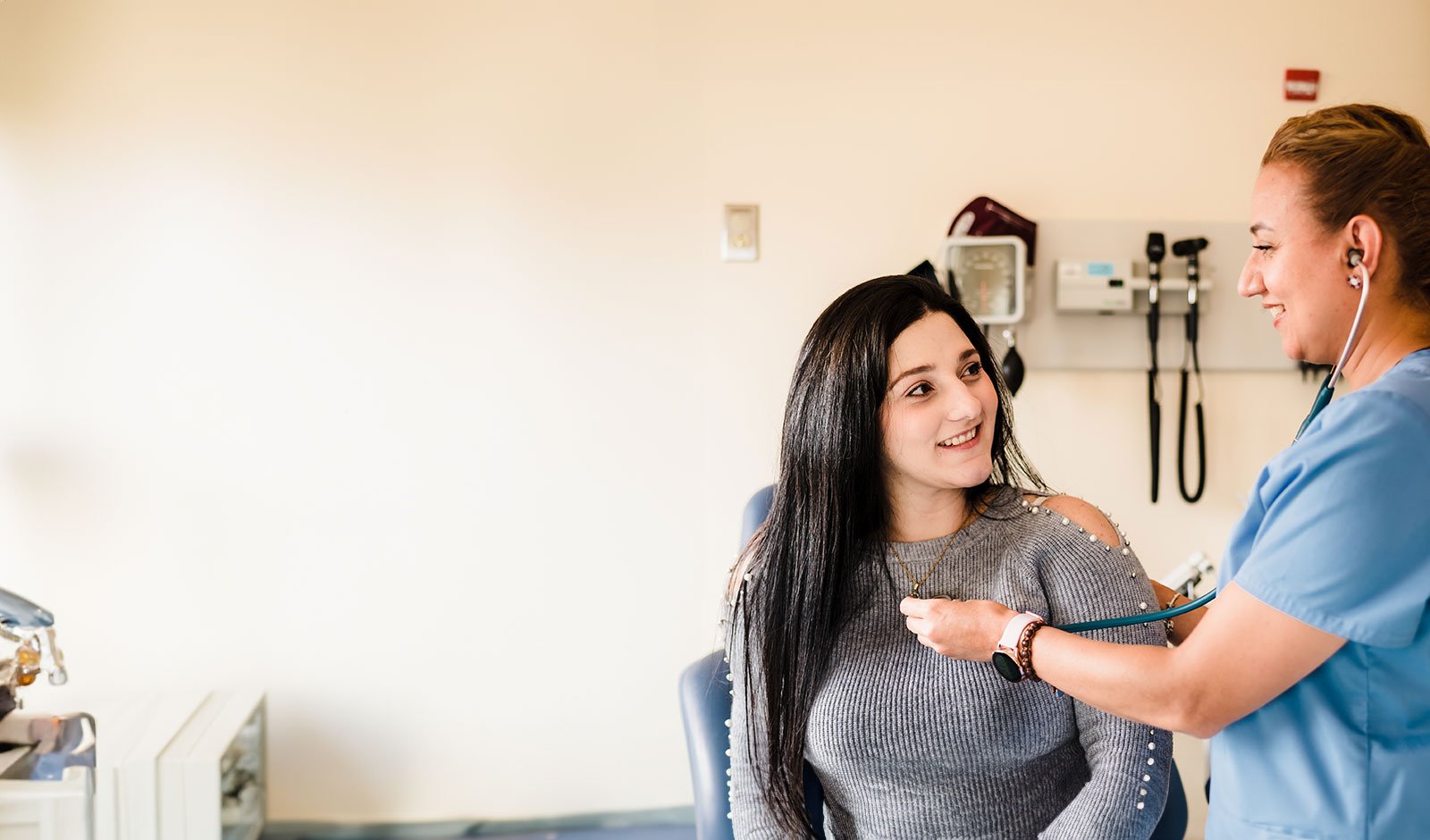
A Polyclinic plays a major role in this hyperlocal network. It acts as the first line of healthcare support, offering consultations, diagnostics, preventive screenings, and follow-up care within the community itself.
This reduces pressure on larger institutions while making healthcare faster and easier for patients.
Healthcare Is Becoming Part of Everyday Lifestyle
One of the biggest changes in 2026 is the integration of healthcare into daily life. People no longer wait until they are seriously ill to seek medical advice.
Preventive screenings, health monitoring, and wellness consultations are becoming part of regular routines. Healthcare providers are encouraging individuals to track sleep, stress, nutrition, and activity levels in real time.
This proactive approach is helping identify risks early and improving long-term outcomes.
The “Connected Patient Journey” Is Replacing Fragmented Care
A major problem in older systems was fragmentation. Patients often had to manage different doctors, records, and facilities on their own.
In 2026, digital integration is creating connected patient journeys. Medical records, diagnostics, prescriptions, and specialist consultations are now linked through unified systems.
Patients can move smoothly between healthcare providers without repeating the same information multiple times. This continuity improves efficiency and reduces stress.
The Role of Advanced Hospitals in the New Ecosystem
While local healthcare networks handle preventive and routine care, advanced treatment still requires centralized expertise.
A Multispeciality Hospital functions as the higher-support layer within this ecosystem. Complex surgeries, critical care, and advanced interventions are managed here with coordinated specialist teams and sophisticated technology.
The difference now is that these hospitals are no longer isolated institutions. They are connected to local healthcare points, creating a smoother patient experience from start to finish.
AI and Smart Technology Are Driving Accessibility
Artificial intelligence is making healthcare systems more responsive and efficient. AI tools are helping doctors:
- Predict health risks
- Prioritize urgent cases
- Reduce waiting times
- Improve diagnostic accuracy
Patients also benefit from virtual consultations, smart appointment systems, and personalized health reminders.
This technology-driven approach allows healthcare providers to deliver faster and more organized care without overwhelming infrastructure.
Why Younger Generations Are Redefining Healthcare Expectations
Millennials and Gen Z patients have very different expectations from previous generations. They value:
- Convenience
- Transparency
- Speed
- Digital accessibility
- Preventive care
These expectations are pushing healthcare systems to modernize rapidly. Patients no longer want complicated processes and delayed responses. They expect healthcare to function with the same efficiency as modern digital services.
This shift is accelerating innovation across the industry.
Mental and Emotional Health Are Being Integrated
Another major trend in neighborhood medicine is the inclusion of emotional wellness. Healthcare providers now understand that stress, anxiety, and burnout significantly impact physical health.
As a result, modern healthcare ecosystems are incorporating:
- Counseling services
- Wellness programs
- Stress management support
- Lifestyle coaching
This integrated model creates a more holistic approach to health management.
Challenges in Building Neighborhood Medicine Systems
Despite its benefits, creating hyperlocal healthcare systems is not simple. It requires:
- Strong digital infrastructure
- Coordination between providers
- Skilled professionals
- Public awareness
There are also concerns about maintaining consistency and quality across multiple locations.
Healthcare systems continue to invest heavily in technology and training to address these challenges.
The Future of Urban Healthcare
The future of healthcare lies in decentralization and personalization. Instead of relying entirely on large centralized systems, cities are moving toward flexible healthcare networks that combine local accessibility with advanced specialist support.
We can expect:
- Faster diagnosis
- More preventive care
- Better continuity between providers
- Increased patient participation
This transformation will make healthcare more efficient, human-centered, and sustainable.
Conclusion
The “neighborhood medicine” revolution is redefining healthcare in 2026 by bringing care closer to people’s everyday lives.
Through connected systems, hyperlocal access points, and advanced digital integration, healthcare is becoming more accessible, proactive, and personalized than ever before.
This shift is not just improving medical efficiency. It is changing how people experience healthcare itself, making it feel less like a system to navigate and more like a continuous source of support.