
In 2026, the psychology of special children is being viewed through a completely different lens. The focus is no longer limited to therapy sessions or developmental labels. A new concept called “adaptive intelligence” is changing how parents, schools, and healthcare professionals understand emotional and cognitive growth in special children.
This approach recognizes that intelligence is not one-dimensional. Some children may struggle in traditional systems while showing exceptional strengths in creativity, emotional depth, sensory awareness, or pattern recognition. Instead of trying to make every child fit the same structure, adaptive intelligence focuses on creating systems that adapt to the child.
Why Traditional Labels Are Losing Relevance
For years, psychological development was measured through fixed milestones and standardized expectations. Children who learned differently were often viewed mainly through the lens of delays or disorders.
In 2026, experts are beginning to challenge this model. Labels are still important for diagnosis and support, but they are no longer defining the child completely.
Parents and professionals are realizing that many special children simply process information differently, not incorrectly. This shift is helping reduce stigma and improving emotional confidence in children.
Emotional Sensitivity Is Being Seen as a Strength
One of the biggest changes in special child psychology is the understanding of emotional sensitivity. Many children who are neurodivergent experience emotions more intensely than others.
Earlier, this sensitivity was often treated as a weakness or behavioral issue. Today, it is increasingly recognized as a form of heightened awareness.
Children who are deeply sensitive may:
- Notice emotional shifts quickly
- Respond strongly to environments
- Show exceptional empathy
- Develop unique creative abilities
When guided properly, these traits can become strengths rather than challenges.
The Shift From Correction to Regulation
Traditional behavioral approaches often focused on correcting children. In 2026, the focus is shifting toward emotional regulation instead.
Rather than asking, “How do we stop this behavior?” professionals are asking, “What is the child trying to communicate?”
This change is transforming therapy models. Emotional meltdowns, withdrawal, or repetitive actions are now viewed as responses to stress, overload, or unmet needs rather than simple behavioral problems.
This perspective creates more compassionate and effective support systems.
The Role of Structured Development Environments
Modern psychological care for special children is becoming more collaborative and environment-based.
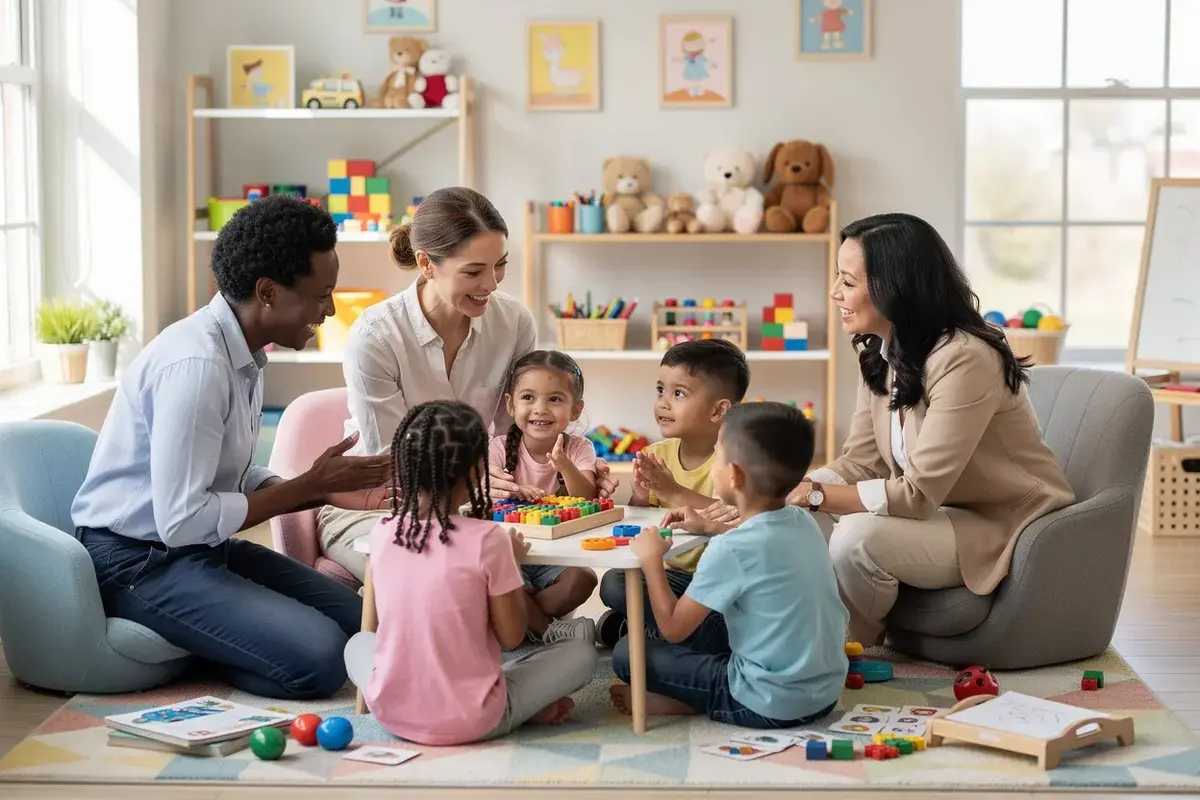
A Child Development Center in 2026 does far more than provide therapy sessions. These spaces are designed to support sensory balance, communication skills, emotional growth, and social interaction in an integrated way.
The environment itself becomes part of the therapy. Lighting, sound levels, movement spaces, and interactive activities are carefully structured to reduce stress and encourage engagement.
This creates a more natural and supportive learning experience for children.
Why Parents Are Becoming Emotional Co-Regulators
Another major trend is the role of parents in emotional regulation. Earlier, families were often told to simply manage difficult behaviors. Today, they are being trained to become “co-regulators.”
This means helping children feel emotionally safe during moments of overwhelm instead of reacting with punishment or pressure.
Parents are learning techniques such as:
- Calm communication
- Sensory grounding
- Predictable routines
- Emotional mirroring
These approaches strengthen trust and help children develop emotional stability over time.
Technology Is Changing Child Psychology Support
Technology is becoming a powerful tool in developmental psychology. AI-based learning tools, communication apps, and emotional tracking systems are helping children express themselves more effectively.
Some systems can even identify patterns in stress levels, attention, or sensory overload before major emotional reactions occur.
This predictive support allows caregivers to respond earlier and reduce emotional burnout for both children and families.
Mental Health Support Is Becoming More Integrated
Special child psychology is no longer isolated from broader mental health care. Emotional wellness, anxiety management, and family counseling are now integrated into treatment plans.
A Psychiatrist may work alongside therapists, educators, and developmental specialists to create a balanced support system. Their role extends beyond diagnosis and medication. They help families understand emotional patterns and long-term coping strategies.
This collaborative care model is creating more sustainable psychological support.
Social Identity and Confidence Are Becoming Priorities
Children today are growing up in highly social and digitally connected environments. Feeling different can sometimes lead to insecurity or isolation.
In 2026, there is a stronger emphasis on helping special children build positive identity and confidence. Instead of encouraging masking or forced conformity, experts are supporting authenticity and self-acceptance.
Children are being taught that thinking differently is not something to hide. It is part of who they are.
Challenges in Adaptive Intelligence Parenting
Despite progress, challenges still exist. Many educational systems are still built around rigid structures that do not accommodate neurodiverse learning styles.
Parents may also struggle with social pressure, misinformation, or emotional burnout. Access to high-quality developmental care can vary significantly depending on location and resources.
These challenges highlight the need for continued awareness and inclusive systems.
Conclusion
The rise of adaptive intelligence is transforming special child psychology in 2026. By focusing on emotional regulation, strengths-based development, and supportive environments, healthcare and education systems are becoming more compassionate and effective.
Children are no longer being defined only by diagnoses. They are being understood as individuals with unique ways of experiencing and interacting with the world.
This shift is not just improving developmental outcomes. It is creating a future where neurodiversity is respected, supported, and valued.