

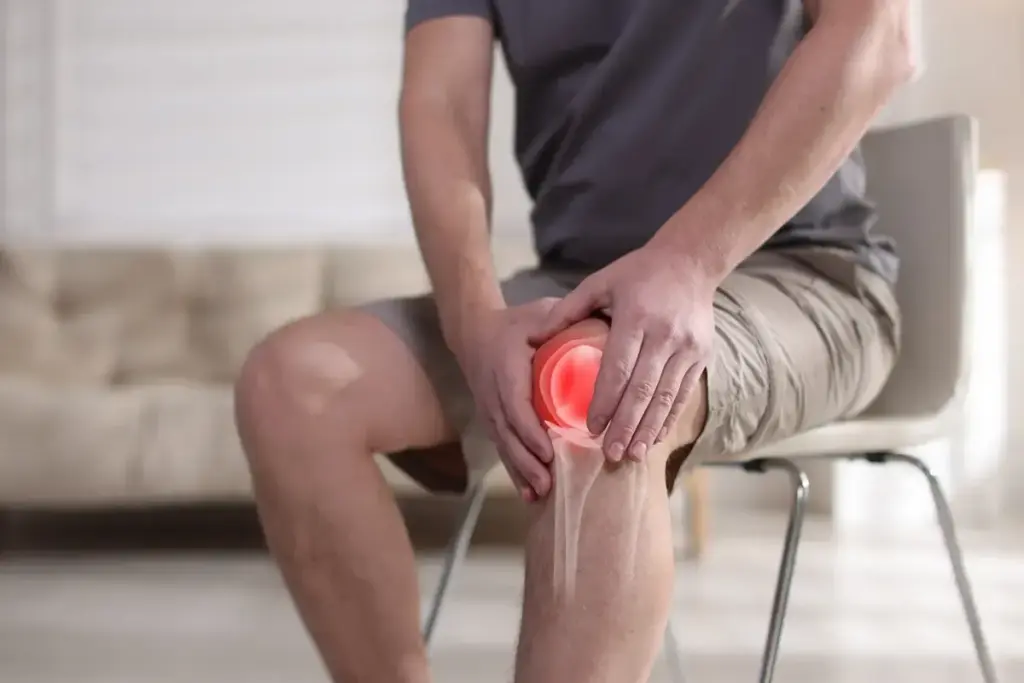
Millions of people suffer from chronic knee pain, which can severely impact their mobility, daily activities, and quality of life. One of the major causes of chronic knee issues is osteoarthritis, particularly in older people or those who have suffered a previous joint injury.
However, medical advances have expanded patients’ options for relief. New techniques are now centered on the relief of symptoms and also assist in enhancing mobility, decreasing swelling, and enabling patients to have a much more energetic way of living with decreased pain.
Why Chronic Knee Pain Develops
Chronic knee pain can be caused by a variety of factors, with one of the most common being osteoarthritis. Osteoarthritis is the result of the cartilage that separates and cushions the knee joint, eroding over time.
The protective cartilage will wear down, and the bones will start rubbing together, causing pain, stiffness, swelling, and a decrease in joint flexibility. Many patients may have a gradual onset and progressive worsening of their symptoms, and early management is particularly critical to help preserve long-term mobility and joint function.
How Knee Pain Impacts Daily Life
Persistent knee pain may have an impact on more than just your body. Chronic pain can disrupt sleep, exercise, work activities, and general mood. Many people avoid increasing activity levels, but a lack of activity can sometimes lead to further weakening of muscles and increased joint stress.
Basic activities at home can start to become tiring or challenging. Every day activities at home become tiring or frustrating. Early treatment of chronic knee pain may allow patients to remain independent and maintain healthy activities throughout the course of their lives.
Role of Traditional Treatments
For many people suffering from chronic knee pain, traditional treatment options are still useful. Physical therapy can help to strengthen muscles surrounding the joint and improve joint stability. By helping to manage weight, it can also help to lessen the impact that weight has on the knees during motion, particularly if the person has osteoarthritis.
Depending on the severity of symptoms, doctors may also prescribe anti-inflammatory drugs, supportive braces, changes in activity, or corticosteroid injections.
Modern Pain Management Approaches
Patients seeking effective treatment for knee pain caused by osteoarthritis now have access to newer minimally invasive procedures that focus on reducing inflammation and improving pain control without major surgery.
One is the procedure called genicular artery embolization, which is intended to block blood from flowing through the abnormal vessels of the knee joints. The benefits of the minimally invasive treatments may be a lower risk of complications during treatment and a shorter recovery time than more invasive surgery.
Lifestyle Habits That Support Joint Health
Although medical treatment is critical, lifestyle factors affect the way joints function and cause pain. Regular low-impact exercise, stretching, strength training, and healthy weight maintenance can all contribute to knee health over time.
Swimming, walking, or cycling could help to make movement easier and less stressful on the joints. Supportive shoes, good posture, and steering clear of repetitive knee stress also may help alleviate discomfort.