

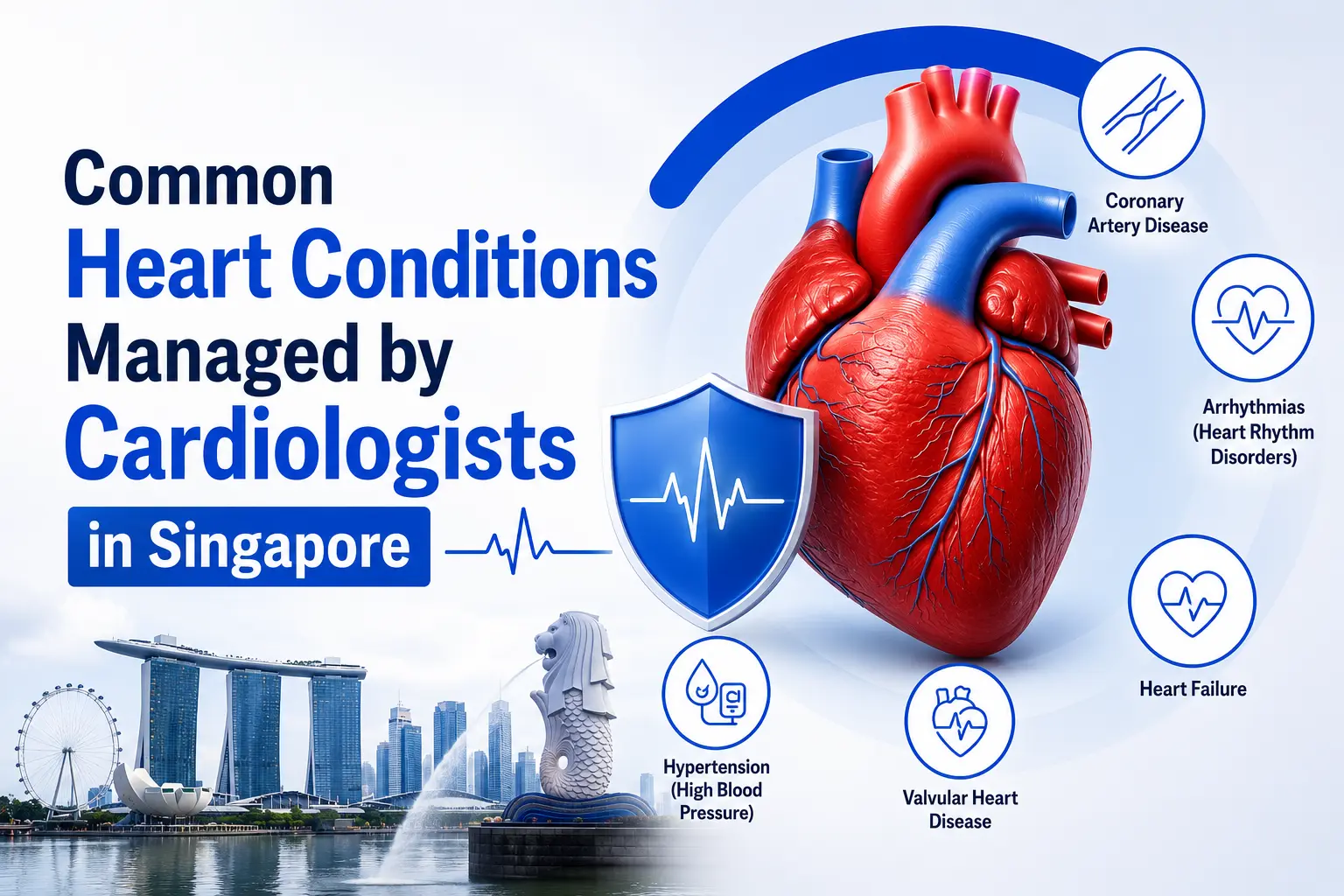
Cardiologists assess and manage conditions that affect the heart and blood vessels. Patients may be referred to a cardiologist for symptoms such as chest pain, shortness of breath, palpitations, dizziness, fainting, leg swelling, abnormal heart test results, or risk factors such as high blood pressure, high cholesterol, diabetes or family history of heart disease.
Some heart conditions develop gradually and may not cause symptoms in the early stages. Others may present suddenly and require urgent medical attention. A cardiology consultation can help identify possible causes, guide testing and discuss suitable treatment or follow-up.
What Does a Cardiologist Do?
A cardiologist is a doctor who assesses, diagnoses and manages heart-related conditions. Depending on the patient’s symptoms and risk profile, a cardiologist may recommend tests such as an electrocardiogram, echocardiogram, stress test, heart rhythm monitoring, blood tests, cardiac CT scan or coronary angiogram.
Cardiologists may manage conditions involving:
- Heart arteries
- Heart rhythm
- Heart valves
- Heart muscle
- Heart failure
- High blood pressure
- Cholesterol and cardiovascular risk
- Chest pain and breathlessness
- Heart screening and preventive care
- Recovery after a heart event
1. Chest Pain
Chest pain is one of the common reasons patients see a cardiologist. It may feel like pressure, tightness, heaviness, burning, squeezing, sharp pain or discomfort spreading to the arm, jaw, neck, back or upper abdomen.
Chest pain may be related to the heart, but it can also come from the lungs, muscles, ribs, digestive system or anxiety-related causes. Because some causes can be serious, chest pain should be assessed carefully.
Heart-related causes may include:
- Coronary artery disease
- Angina
- Heart attack
- Pericarditis
- Heart valve disease
- Abnormal heart rhythm in some cases
Seek urgent medical care if chest pain is severe, persistent, associated with shortness of breath, cold sweat, nausea, fainting, or pain spreading to the arm, jaw, neck or back.
2. Coronary Artery Disease
Coronary artery disease occurs when the arteries supplying blood to the heart become narrowed or blocked by fatty deposits. This can reduce blood flow to the heart muscle.
Symptoms may include:
- Chest pain or tightness
- Breathlessness
- Reduced exercise tolerance
- Chest discomfort during exertion
- Pain spreading to the arm, jaw, neck or back
- Nausea or sweating in some cases
Some patients may have no obvious symptoms until a heart event occurs. Risk factors include age, family history, smoking, high blood pressure, high cholesterol, diabetes, kidney disease, excess body weight and physical inactivity.
Treatment may involve lifestyle changes, medication, angioplasty, stent placement, coronary bypass surgery referral, or cardiac rehabilitation depending on severity.
3. Angina
Angina refers to chest discomfort caused by reduced blood flow to the heart muscle. It may occur during physical activity, emotional stress or after heavy meals, then settle with rest or medication.
Patients may describe angina as:
- Chest pressure
- Tightness
- Heaviness
- Squeezing discomfort
- Breathlessness with exertion
- Pain spreading to the arm, neck, jaw or back
Angina should be assessed because it may indicate underlying coronary artery disease. A cardiologist may recommend tests to evaluate blood flow to the heart and decide whether medication, angioplasty, or further investigation is needed.
4. Heart Attack
A heart attack occurs when blood flow to part of the heart muscle is suddenly blocked. This is a medical emergency.
Possible symptoms include:
- Chest pain or tightness
- Pain spreading to the arm, jaw, neck, back or stomach
- Shortness of breath
- Cold sweat
- Nausea or vomiting
- Dizziness
- Fainting
- Sudden fatigue
Some people, including older adults and people with diabetes, may have less typical symptoms. Patients should not wait for symptoms to worsen before seeking emergency care.
After a heart attack, cardiologists may manage treatment, medication, angioplasty follow-up, cardiac rehabilitation and long-term risk reduction.
5. Heart Palpitations
Palpitations refer to awareness of the heartbeat. Patients may describe the heart as racing, fluttering, pounding, skipping beats or beating irregularly.
Palpitations may be caused by stress, caffeine, lack of sleep, dehydration, fever, thyroid problems, medication, anaemia or abnormal heart rhythm.
A cardiologist may assess palpitations using:
- Medical history
- Electrocardiogram
- Holter monitor
- Event monitor
- Blood tests
- Echocardiogram
- Exercise test in selected cases
Patients should seek urgent care if palpitations occur with chest pain, fainting, severe breathlessness, dizziness, or a known heart condition.
6. Heart Arrhythmia
Arrhythmia means an abnormal heart rhythm. The heart may beat too fast, too slow, or irregularly. Some arrhythmias are occasional and may not cause major symptoms. Others may need treatment or monitoring.
Types of arrhythmia may include:
- Atrial fibrillation
- Supraventricular tachycardia
- Premature beats
- Bradycardia
- Ventricular arrhythmias
- Heart block
Symptoms may include palpitations, dizziness, fainting, chest discomfort, shortness of breath or fatigue.
Treatment depends on the rhythm problem and may include medication, blood thinners in selected cases, cardioversion, catheter ablation, pacemaker, implantable device, or monitoring.
7. Atrial Fibrillation
Atrial fibrillation is a common abnormal heart rhythm where the upper chambers of the heart beat irregularly. It may cause palpitations, tiredness, shortness of breath, dizziness or reduced exercise tolerance. Some patients may not notice symptoms.
Atrial fibrillation matters because it can increase the risk of stroke in selected patients. A cardiologist may assess stroke risk, bleeding risk, heart structure, rhythm pattern and treatment options.
Management may include:
- Heart rate control
- Rhythm control
- Blood thinning medication where suitable
- Cardioversion
- Catheter ablation in selected cases
- Treatment of contributing conditions
- Lifestyle and risk factor management
Patients should follow medical advice and avoid stopping medication without discussing it with their doctor.
8. High Blood Pressure
High blood pressure, also called hypertension, is a common condition that can increase strain on the heart and blood vessels. It may not cause symptoms, which is why regular checks are important.
If not managed, high blood pressure may contribute to:
- Coronary artery disease
- Stroke
- Heart failure
- Kidney disease
- Atrial fibrillation
- Blood vessel disease
Cardiologists may assess blood pressure patterns, related risk factors, organ effects and treatment needs. Management may involve lifestyle measures, medication, home blood pressure monitoring and follow-up.
9. High Cholesterol
High cholesterol can contribute to plaque build-up in the arteries, including the coronary arteries. It is one of the risk factors for coronary artery disease and heart attack.
A cardiologist may assess cholesterol together with other risk factors such as age, blood pressure, diabetes, smoking, family history and previous heart events.
Management may include:
- Diet and lifestyle discussion
- Cholesterol-lowering medication where appropriate
- Monitoring of cholesterol levels
- Assessment of cardiovascular risk
- Further testing if symptoms or risk level require it
Patients with high cholesterol should discuss whether medication is needed and how often follow-up testing should be done.
10. Heart Failure
Heart failure occurs when the heart cannot pump blood as well as the body needs. It does not mean the heart has stopped working, but it means the heart’s pumping or filling function is affected.
Symptoms may include:
- Shortness of breath
- Tiredness
- Leg or ankle swelling
- Breathlessness when lying flat
- Waking at night short of breath
- Reduced exercise tolerance
- Rapid weight gain from fluid retention
Heart failure may be linked to coronary artery disease, high blood pressure, valve disease, cardiomyopathy, arrhythmia or previous heart attack.
Treatment may involve medication, fluid and salt guidance, rhythm management, device therapy in selected cases, rehabilitation and regular follow-up.
11. Heart Valve Disease
The heart has valves that help blood flow in the correct direction. Valve disease may occur when a valve becomes narrowed, leaky, stiff or damaged.
Symptoms may include:
- Shortness of breath
- Chest discomfort
- Dizziness
- Fainting
- Fatigue
- Palpitations
- Leg swelling
- Heart murmur detected during examination
An echocardiogram is commonly used to assess valve structure and function. Depending on severity, treatment may involve monitoring, medication, procedures, or referral for valve repair or replacement discussion.
12. Cardiomyopathy
Cardiomyopathy refers to disease of the heart muscle. It may affect the heart’s ability to pump blood and can sometimes be linked to arrhythmia or heart failure.
Causes may include genetic factors, high blood pressure, viral illness, alcohol, medication effects, metabolic conditions, or unknown causes.
Symptoms may include breathlessness, fatigue, swelling, palpitations, dizziness or fainting. Some patients may be diagnosed after an abnormal ECG, echocardiogram or family screening.
A cardiologist may recommend imaging, rhythm monitoring, blood tests, genetic discussion in selected cases, medication and follow-up.
13. Heart Murmur
A heart murmur is a sound heard during a heartbeat using a stethoscope. Some murmurs are harmless, while others may suggest valve disease, congenital heart conditions or changes in blood flow.
A cardiologist may recommend an echocardiogram if the murmur is new, loud, associated with symptoms, or found in a patient with other heart concerns.
Symptoms that may need assessment include:
- Shortness of breath
- Chest pain
- Fainting
- Palpitations
- Leg swelling
- Reduced exercise tolerance
The treatment depends on the cause of the murmur.
14. Shortness of Breath
Shortness of breath can be caused by heart, lung, blood, fitness, anxiety, weight-related or other medical conditions. A cardiologist may assess whether symptoms are linked to heart disease.
Heart-related causes may include:
- Heart failure
- Coronary artery disease
- Valve disease
- Arrhythmia
- Cardiomyopathy
- Fluid overload
Tests may include ECG, echocardiogram, blood tests, stress testing, rhythm monitoring or imaging depending on symptoms.
Seek urgent care if breathlessness is sudden, severe, associated with chest pain, fainting, blue lips, confusion, or worsening rapidly.
15. Preventive Heart Care and Screening
Cardiologists also manage patients who do not currently have symptoms but have risk factors for heart disease. Preventive care may involve assessing cardiovascular risk and recommending appropriate screening or follow-up.
Patients may consider assessment if they have:
- High blood pressure
- High cholesterol
- Diabetes
- Smoking history
- Family history of early heart disease
- Kidney disease
- Obesity
- Previous abnormal heart test
- Sedentary lifestyle
- Chest pain or breathlessness during exercise
Heart screening may include ECG, blood tests, echocardiogram, stress test, CT coronary calcium score, CT coronary angiogram, or other tests depending on the patient’s risk profile.
What Tests May Cardiologists Recommend?
The recommended test depends on symptoms and risk factors.
Common cardiology tests may include:
- Electrocardiogram
- Echocardiogram
- Treadmill stress test
- Holter monitor
- Blood tests
- Blood pressure monitoring
- CT coronary calcium score
- CT coronary angiogram
- Coronary angiogram
- Cardiac MRI in selected cases
Patients should ask why a test is recommended, what it can show, what its limitations are and how the result may affect treatment.
When Should You See a Cardiologist?
You may consider seeing a cardiologist if you have:
- Chest pain
- Breathlessness
- Palpitations
- Dizziness or fainting
- Leg swelling
- High blood pressure
- High cholesterol
- Diabetes with heart risk concerns
- Family history of heart disease
- Abnormal ECG
- Abnormal heart screening result
- Heart murmur
- Previous heart attack
- Known arrhythmia
- Known heart valve disease
- Reduced exercise tolerance
Urgent care is needed for severe chest pain, suspected heart attack, sudden breathlessness, fainting, stroke symptoms or sudden collapse.
Cardiologists in Singapore manage a range of heart conditions, including chest pain, coronary artery disease, angina, heart attack, palpitations, arrhythmia, atrial fibrillation, high blood pressure, high cholesterol, heart failure, valve disease, cardiomyopathy, heart murmurs and breathlessness.
Some symptoms require prompt medical review, while others may need planned assessment and monitoring. Patients with risk factors such as diabetes, high blood pressure, high cholesterol, smoking history or family history of heart disease may also benefit from cardiovascular risk assessment.
A cardiology consultation from a trusted clinic, like EH Heart Specialist, can help patients understand symptoms, decide which tests are needed and discuss treatment or follow-up based on individual risk and diagnosis.
FAQ
What conditions do cardiologists commonly manage?
Cardiologists commonly manage chest pain, coronary artery disease, angina, heart attack, arrhythmia, atrial fibrillation, high blood pressure, high cholesterol, heart failure, valve disease, cardiomyopathy and heart murmurs.
When should I see a cardiologist in Singapore?
You may consider seeing a cardiologist if you have chest pain, breathlessness, palpitations, dizziness, fainting, leg swelling, abnormal ECG results, high blood pressure, high cholesterol, diabetes or family history of heart disease.
Is chest pain always caused by the heart?
No. Chest pain can come from the heart, lungs, muscles, ribs, digestive system or other causes. However, chest pain should be assessed promptly if it is severe, persistent, exertional, or associated with breathlessness, sweating, nausea or fainting.
What tests may a cardiologist recommend?
A cardiologist may recommend ECG, echocardiogram, stress test, Holter monitoring, blood tests, blood pressure monitoring, CT coronary scan, coronary angiogram or other tests depending on symptoms and risk factors.
What is the difference between palpitations and arrhythmia?
Palpitations are the feeling of being aware of the heartbeat. Arrhythmia is an abnormal heart rhythm. Palpitations may be caused by arrhythmia, but they may also occur due to stress, caffeine, dehydration, medication or other causes.
When is a heart condition considered urgent?
Seek urgent medical care for severe chest pain, suspected heart attack, sudden breathlessness, fainting, stroke symptoms, sudden collapse, or palpitations with chest pain or severe dizziness.
This article is for general information only and should not replace medical advice from a qualified healthcare professional.